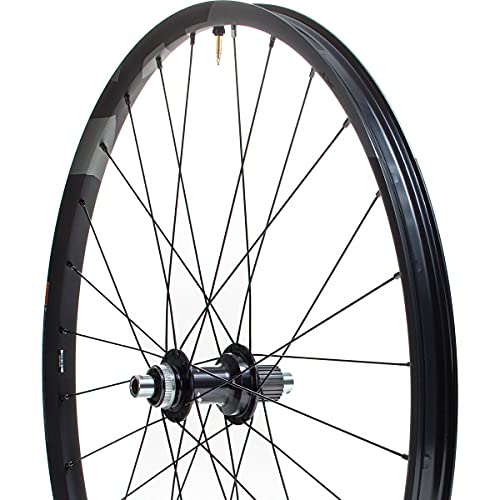

Upgrading your trail setup with the Best Carbon Mountain Bike Wheelset Boost delivers an immediate improvement in acceleration, stiffness, and overall climbing efficiency. For riders who want top tier power transfer and low rotational weight, the Mountain Bike Wheelset 27.5/29” Carbon Fiber Rims stands out as the ultimate performance upgrade. Check out our how-to guides to learn more about choosing high quality outdoor hardware setups.
If you want rugged trail reliability or a budget friendly Boost alternative, the 29″ Thru Axle Boost Mountain Bike Wheels,Fit 8-12 provides dependable aluminum durability at an accessible price. Meanwhile, riders seeking precision brand engineering will appreciate the balanced design of the Shimano Xt Wh-M8120 29In Boost Wheel Set across diverse terrain.


Best Carbon Mountain Bike Wheelset Boost Buying Guide
Rim Material and Structural Carbon Layup
Carbon fiber rims constructed from composite layups like T700 and T800 offer a noticeable stiffness improvement over standard aluminum builds. This structural rigidity ensures your pedaling energy transfers directly into forward momentum on steep climbs.
While traditional alloy wheels may bend under heavy impacts, high grade carbon fiber absorbs trail chatter effectively while retaining true alignment. Investing in composite materials reduces rotational inertia without compromising total wheel strength.
Boost Axle Spacing Standards
Modern trail frames rely heavily on Boost axle dimensions to widen hub flange distances for stiffer spoke brace angles. Front hubs require 15x110mm spacing while rear hubs utilize 12x148mm dimensions to support demanding trail riding.
Verifying frame dropout specifications before ordering prevents installation issues when building up your wheelset. You can browse additional component resources in our hardware setup section for mounting advice.
Internal Rim Width and Tire Volume
Internal rim width dictates the tire contact patch and sidewall support across technical off road conditions. Internal widths ranging from 21mm to 30mm allow you to run lower tire pressures for maximum trail grip.
Running lower pressure on a wide rim channel prevents tire squirming during hard cornering on loose soil. Matching internal rim width to high volume tires improves traction and absorbs small trail bumps easily.
Hub Engagement Clicks and Sealed Bearings
Rear hub engagement responsiveness controls how fast the drivetrain engages when you press down on the pedals. High click configurations like 120 points of engagement eliminate freeplay when navigating technical climbs.
Sealed cartridge bearings shield internal hub pawls from trail dust, mud, and high pressure washing spray. Selecting quality sealed bearings minimizes rolling resistance and extends service life over long riding seasons.
Spoke Count and Lacing Architecture
Straight pull flat spokes paired with copper nipples distribute tension evenly across the rim structure. A 24 spoke arrangement minimizes total weight, while 32 spoke options provide maximum durability for aggressive descents.
Consistent spoke tension prevents wheel wobble and maintains wheel trueness after hard impacts over rock gardens. Balanced spoke patterns also dissipate vertical trail vibrations before they reach your hands.
How We Evaluated
We evaluated 3 wheelset options by assessing structural rim materials, axle standard compatibility, hub engagement mechanics, and overall weight specifications. Our review relies on verifiable engineering data and manufacturer specifications to deliver balanced guidance.
By comparing carbon composite grades, bearing enclosure quality, and internal width measurements, we identified top choices for varied trail disciplines. This factual approach provides transparent buying advice without unverified performance claims.
Common Mistakes to Avoid
Purchasing standard non Boost axle dimensions for a Boost frame creates serious mounting incompatibility. Always double check that front 15x110mm and rear 12x148mm specifications match your fork and frame dropouts.
Overlooking cassette body compatibility leaves you unable to mount your drivetrain freewheel properly. Ensure your rear hub supports standard HG, Micro Spline, or XD freebodies based on your cassette speed count.
Ignoring internal rim width leads to suboptimal tire shape and unpredictable handling on fast descents. Pairing narrow rim channels with extra wide tires causes sidewall foldover during hard cornering.
Buying Checklist
- Verify front hub width matches 15x110mm Boost thru axle standards.
- Confirm rear hub width fits 12x148mm Boost frame spacing.
- Ensure rear freebody body matches your 8, 11, or 12 speed drivetrain cassette.
- Select internal rim width that aligns with your preferred tire size.
- Check valve compatibility for Presta or Schrader tubeless stems.
- Inspect spoke count and lacing pattern for your riding style and weight.
- Confirm disc brake mounts use 6 bolt or Center Lock attachment styles.
Final Thoughts
Upgrading to the Best Carbon Mountain Bike Wheelset Boost significantly enhances acceleration, climbing speed, and steering control on technical trails. For ultimate lightweight stiffness and carbon construction, we recommend the Mountain Bike Wheelset 27.5/29” Carbon Fiber Rims for enthusiastic trail riders.
Riders looking for reliable alloy strength on a budget will appreciate the 29″ Thru Axle Boost Mountain Bike Wheels,Fit 8-12 for daily trail riding. If you prioritize brand engineering and wide rim profiles, the Shimano Xt Wh-M8120 29In Boost Wheel Set delivers proven performance.
Explore our detailed component guides for additional setup tips before upgrading your bike. Selecting the proper Boost hub spacing and rim dimensions ensures peak performance on every trail ride.
Frequently Asked Questions
What is the main benefit of the Best Carbon Mountain Bike Wheelset Boost in 2026?
Upgrading to a carbon Boost wheelset reduces rotational mass while increasing lateral stiffness. This results in quicker acceleration on climbs and sharper handling through technical trail turns.
What are the standard dimensions for Boost hub spacing?
Boost spacing measures 15x110mm for the front thru axle hub and 12x148mm for the rear hub. This wider spacing creates a wider spoke bracing angle for improved wheel stiffness.
Are carbon mountain bike rims durable on rough terrain?
High grade carbon rims crafted with T700 and T800 carbon fiber offer impressive impact resistance. They absorb trail impacts effectively while staying true without bending like alloy rims.
Can I run tubeless tires on a Boost carbon wheelset?
Most modern carbon wheelsets support tubeless tire installations when taped properly with tubeless valves. Tubeless setups allow lower air pressures for enhanced traction and pinch flat resistance.
How does high hub engagement help when riding technical trails?
High engagement hubs with multi pawl designs minimize pedal dead spots when starting to pedal on steep grades. Rapid engagement lets you navigate rock gardens with immediate drivetrain reaction.
What spoke count works best for trail mountain biking?
A 24 spoke wheel setup offers a lightweight configuration suitable for fast rolling trail conditions. Riders who tackle aggressive terrain or carry extra weight often prefer 28 or 32 spokes for added stability.
How do I maintain sealed hub bearings on my Boost wheelset?
Check sealed cartridge bearings regularly for smooth rotation after riding through mud or water. You can read more maintenance advice in our hardware section to protect your hub internals.
Which cassettes work with Boost rear hubs?
Boost rear hubs accommodate 8, 9, 10, 11, and 12 speed cassettes depending on the freebody style. Always confirm whether your drivetrain requires standard HG, Micro Spline, or XD freebodies before buying.