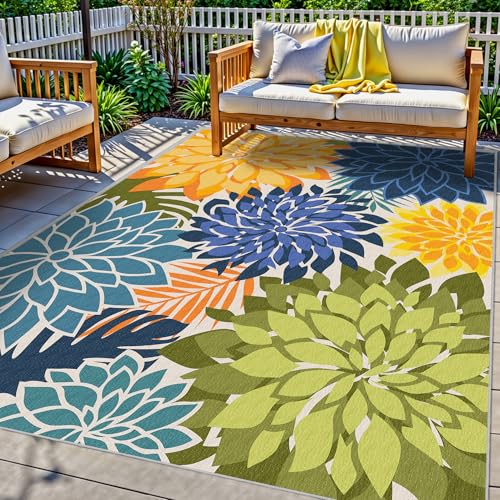

Homeowners seeking a resilient outdoor centerpiece will appreciate the balanced weather protection and vibrant styling of the Arenarug Outdoor Rug Waterproof. It combines UV-stabilized polyester fibers with an integrated non-slip backing to handle harsh sunlight and heavy foot traffic across open decks.
For budget-conscious crafters and custom decorators, the Waterproof Canvas Fabric by The Yard 600D delivers exceptional tear resistance for custom outdoor projects. You can compare our 3 featured options for October 2026 or explore our practical step-by-step setup guides to upgrade your outdoor entertainment area.


Best Fabric for Outdoor Patio Rugs: Top Durable Picks Buying Guide
Fiber Type and Synthetic Durability
Outdoor textiles rely on engineered synthetic fibers like polyester and polypropylene to survive constant moisture and sunlight. These non-porous synthetics resist mold colonization while maintaining structural integrity during extreme seasonal temperature swings.
Untreated natural fibers like jute or cotton absorb ambient moisture rapidly and decay when left exposed to humid conditions. Synthetic polyester alternatives offer superior tensile strength and color retention without demanding intensive chemical preservation treatments.
Denier Density and Physical Tear Resistance
Denier rating indicates individual fiber thickness, with higher numbers representing denser yarn and greater puncture resistance. Heavy-duty options like 600-denier polyester provide exceptional abrasion protection under heavy patio furniture and pet claws.
Just as you evaluate panel durability in our panel technology breakdown, assessing outdoor rug fabrics requires checking density metrics. Choosing material with at least 200 grams per square meter ensures long-term resistance against fraying edges.
UV Stabilization and Sun Fade Protection
Direct solar exposure breaks down synthetic polymers and bleaches bright colors if fibers lack UV-stabilizing additives. High-grade patio textiles utilize solution-dyed yarns and UV-inhibited inks to keep intricate patterns sharp through intense summer months.
Rugs lacking solar protection turn brittle and fade into dull gray tones after a single season in open areas. Investing in UV-resistant weaves protects your initial purchase and maintains a vibrant aesthetic across sunlit pool decks.
Water Repellency and Moisture Management
Effective outdoor textiles incorporate hydrophobic surface coatings that cause standing water to bead up and roll away. This rapid-shedding design prevents water accumulation beneath patio furniture, which significantly reduces the risk of deck surface staining.
When rainwater drains efficiently through the material, the rug dries faster after sudden afternoon downpours. Fast-drying fabrics prevent sour damp odors and allow immediate patio use without transferring dampness to your footwear.
Non-Slip Backing and Deck Surface Safety
Smooth composite decking and glazed outdoor tiles turn slippery when wet, creating serious slip hazards for family members. Selecting outdoor rugs with integrated textured backings keeps the floor covering firmly anchored against shifting winds and rapid footsteps.
Adding a separate rug pad often traps moisture against wooden floorboards and accelerates deck rot over time. Built-in non-slip backings eliminate the need for bulky secondary pads while preserving clear airflow underneath your patio rug.
Cleaning Efficiency and Washing Methods
Outdoor patio rugs inevitably accumulate garden soil, fallen leaves, barbecue grease, and everyday pet dirt throughout the year. Durable polyester weaves release stubborn stains easily with a simple garden hose spray or quick spot cleaning using mild soap.
Foldable and machine-washable designs provide an extra layer of maintenance convenience for busy households. Being able to machine-wash small area rugs saves considerable manual scrubbing time after busy family backyard cookouts.
How We Evaluated
Our evaluation method analyzed verified manufacturer specifications, material compositions, water-repellency ratings, and non-slip safety features across available outdoor textiles. We compared fiber weights, denier density ratings, and UV protection technologies to identify products that survive challenging weather cycles.
We examined real-world functional trade-offs between pre-stitched decorative floor coverings and DIY upholstery canvas yards. This objective data comparison ensures our recommendations align with specific patio configurations, porch dimensions, and maintenance expectations.
Common Mistakes to Avoid
Placing standard indoor rugs on open decks is a frequent error that leads to rapid mildew growth and fabric rot. Indoor textiles absorb ambient moisture and lack the essential UV stabilizers required to survive direct outdoor sun exposure.
Overlooking backing materials can damage sensitive composite boards or create dangerous sliding hazards during wet weather. Always confirm that your chosen rug includes a secure non-slip backing suitable for smooth wood or stone surfaces.
Neglecting denier ratings when crafting custom outdoor covers often results in premature tears along seams. Choosing lightweight fabric below 300 denier will not withstand dragging patio chairs or heavy outdoor weather wear.
Buying Checklist
- Confirm the rug uses 100 percent synthetic polyester or polypropylene fibers for natural mold resistance.
- Verify the material features UV-inhibited inks or solution-dyed yarns to prevent rapid sun fading.
- Check that DIY upholstery fabric carries at least a 600-denier rating for heavy furniture applications.
- Ensure the underside includes an integrated non-slip grip layer for polished wood or composite decks.
- Measure your patio seating area carefully to allow at least six inches of border space around furniture.
- Confirm the fabric can be cleaned using a standard garden hose or regular domestic washing machine.
- Check whether the textile is lightweight and foldable for straightforward off-season winter storage.
Final Thoughts
Selecting the right outdoor textile transforms an exposed concrete patio into an inviting outdoor living room. For most homeowners, the Arenarug Outdoor Rug Waterproof serves as our best overall recommendation thanks to its resilient construction and stylish floral design.
If you prefer a soft underfoot feel that transitions between porches and family dining areas, consider the Pauwer Indoor Outdoor Area Rugs 5×7. Meanwhile, dedicated DIY enthusiasts will find the Waterproof Canvas Fabric by The Yard 600D ideal for crafting customized cushion slipcovers.
Investing in durable, weather-ready materials protects your patio investment against harsh seasonal elements year after year. For additional home layout inspiration, explore our external workspace setups and detailed outdoor maintenance advice.
Frequently Asked Questions
What makes the Best Fabric for Outdoor Patio Rugs: Top Durable Picks suitable for heavy rain in 2026?
Synthetic polyester and polypropylene fabrics naturally resist water absorption, allowing rainwater to bead on the surface and drain rapidly. This fast-drying capability prevents fungal growth and keeps rugs fresh in wet climates.
Can you leave outdoor patio rugs outside all winter?
While weather-resistant synthetic rugs withstand frost, rolling them up for covered winter storage significantly extends fiber lifespan. Keeping textiles away from trapped ice prevents premature backing deterioration and fiber brittleness.
How do you clean outdoor patio rugs without damaging the fibers?
Most outdoor synthetic rugs clean up quickly when rinsed with a garden hose and mild liquid dish soap. For persistent dirt, gentle scrubbing with a soft-bristle brush removes debris without fraying the woven edges.
Why is 600D polyester recommended for outdoor cushions and patio rugs?
A 600-denier density rating provides high tensile strength, excellent puncture resistance, and dependable abrasion defense against rough patio furniture. It ensures heavy-use fabric projects remain intact through multiple outdoor seasons.
Do outdoor rugs cause damage to wooden or composite decks?
Rugs with integrated breathable rubber backings protect deck finishes by preventing trapped moisture and minimizing surface scuffing. You can review our helpful home tutorials for deck care tips.
What is the difference between printed and solution-dyed outdoor fabrics?
Solution-dyed fabrics incorporate pigments directly into the liquid polymer before fiber spinning, locking color deep into every strand. Surface-printed designs rely on UV-stabilized inks, which offer intricate decorative patterns with strong fade resistance.
How often should you hose down an outdoor patio rug?
Rinsing your patio rug every two to three weeks prevents garden dust and pollen from settling deep into the weave. Regular light rinsing reduces the need for aggressive seasonal scrubbing and maintains bright fabric colors.
Are washable outdoor rugs safe for household washing machines?
Lightweight synthetic area rugs without stiff backing structures can be safely cleaned in large-capacity washing machines on gentle cycles. Always air-dry the rug completely on a flat deck surface before placing it back into use.