

When evaluating the Best Home Automation Controllers under $150 for November 2026, the SONOFF NSPanel Pro 120 Smart Control Panel stands out as the best overall option. Its vibrant wall touchscreen unit simplifies daily routines by combining device control, camera feeds, and security monitoring into a central interface. If you want to integrate versatile displays into your layout, consider looking at compact display options to complement your system.
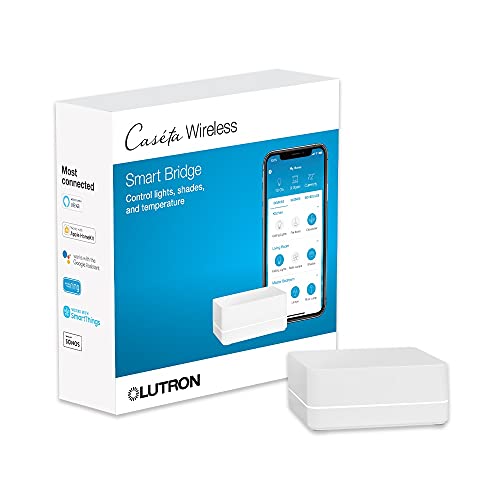
For homeowners focusing primarily on seamless lighting integration and robust ecosystem support, the Lutron Caseta Smart Hub Compatible with Alexa offers unmatched stability. We evaluated 2 popular smart hubs within the tier to identify controllers that handle automated routines reliably without dropping connections. Check Price on Amazon →
Best Home Automation Controllers under $150 Buying Guide
Wireless Protocol Support
Modern home automation depends on standard communication protocols to bridge different smart devices together efficiently. Selecting a controller with built-in Zigbee or proprietary radio frequencies ensures your light switches and sensors react instantly without lag.
If a controller relies solely on standard Wi-Fi, heavy network traffic can lead to delayed actions during peak hours. Choosing a dedicated hub offloads device traffic, preserving your primary network bandwidth for streaming and daily browsing.
Ecosystem Compatibility and Voice Integration
Cross-platform compatibility determines how easily your hub communicates with third-party voice assistants like Alexa, Google Assistant, or Apple HomeKit. A versatile controller bridges diverse device brands into unified routines so you can control your entire home easily.
Restricting your setup to a single closed ecosystem limits your options when expanding your smart hardware down the road. Multi-platform hubs allow you to add sensors, smart plugs, and motorized shades without worrying about vendor lock-in.
Display Interface and Control Accessibility
Physical control panels mounted on walls give every household member quick access to lighting and security settings without needing a phone app. Touchscreen interfaces display visual feedback such as live camera feeds, active energy usage, and thermostat setpoints.
Headless bridge units work behind the scenes near your main router while relying entirely on mobile app controls. Choosing between an interactive panel and a silent gateway depends on whether your family prefers wall controls or phone automation. For desk management setups, pairing smart devices near quality hardware displays helps maintain an organized workplace.
Device Capacity and System Scalability
Every smart controller maintains a maximum hardware limit for connected switches, sensors, dimmers, and custom scenes. Standard entry-level hubs handle modest apartment setups easily, while advanced units scale up to manage dozens of end devices across larger homes.
Exceeding a controller’s recommended device capacity causes dropped commands and slow automation triggers. Planning your long-term smart home expansions ensures your chosen controller keeps working reliably as you introduce new rooms and accessories.
Security Monitoring and Local Scene Processing
Built-in alarm functionality adds an effective security layer to your central smart control setup. Controllers equipped with local alarm chimes and push notification features can sound sirens whenever door sensors or motion detectors trigger unexpected activity.
Hubs that process automation routines locally operate continuously even if your internet connection temporarily drops offline. Cloud-dependent hubs may lose scheduled routines during service outages, making local processing capabilities a major advantage for critical lighting and security tasks.
How We Evaluated
We evaluated key smart home controllers by analyzing technical specifications, wireless protocol support, platform compatibility, and installation requirements. Our data-driven process compared device responsiveness, hardware expansion limits, and app control stability across common home automation setups.
Our analysis prioritizes long-term reliability and user accessibility over flash features that add unnecessary setup confusion. We systematically cross-referenced manufacturer specifications and user feedback to ensure each recommendation provides exceptional everyday utility.
Common Mistakes to Avoid
Buying a smart hub without checking protocol compatibility is a frequent error among first-time automation builders. Ensure your existing smart switches and security sensors match the exact wireless protocol supported by your central hub before purchasing.
Ignoring maximum device capacity limits often leads to frustrating performance slowdowns as your smart home grows over time. Always calculate your expected device count and select a controller that offers extra headroom for future accessory additions.
Placing your main control hub inside enclosed metal cabinets or behind dense walls severely degrades wireless radio signal strength. Position your central hub in an open area to maintain solid connections across all room sensors and smart switches.
Buying Checklist
- Confirm the controller supports your primary wireless protocols like Zigbee or proprietary clear connect frequencies.
- Verify compatibility with your preferred voice assistant platforms such as Alexa, Google Home, or Apple HomeKit.
- Determine whether your household needs a physical wall touchscreen or a headless router gateway hub.
- Check maximum device capacity limits to accommodate present switches and planned future additions.
- Ensure local automation execution is supported for key security features during internet outages.
- Verify power outlet proximity and ethernet cable routing requirements before finalizing your installation spot.
- Review manufacturer app setup steps to confirm mobile operating system compatibility with your phone.
Final Thoughts
Selecting the ideal hardware hub depends entirely on your visual control preferences and smart lighting needs. For users seeking an interactive wall control center with live camera feeds and security features, we recommend the SONOFF NSPanel Pro 120 Smart Control Panel. It brings modern touchscreen convenience into any high-traffic living area. If you like maintaining clean visual spaces, check our guide to sleek white desk setups for aesthetic inspiration.
Homeowners focusing on robust smart lighting and shade control across larger properties will benefit most from the Lutron Caseta Smart Hub Compatible with Alexa. Its reliable clear connect technology prevents wireless interference and ensures your lighting routines trigger without delay. Investing in the right central hub lays a dependable foundation for an efficient automated home environment in 2026.
Frequently Asked Questions
What is the primary function of Best Home Automation Controllers under $150 in 2026?
A smart home controller links disparate smart devices together into one centralized management system. It allows you to run automated schedules, control lighting through mobile apps, and manage security sensors from a single interface.
Do smart control panels require professional installation?
Most smart hubs and wall control panels are designed for straightforward self-installation by standard homeowners. Wall panels mount directly into existing electrical boxes, while plug-in hub models simply connect to your internet router via standard network cables.
Can a smart controller function if the internet goes down?
Many smart controllers process local automation routines and physical switch inputs even without an active internet connection. However, remote app management and cloud-dependent features like voice assistant commands usually require an active network link.
What is the top option among Best Home Automation Controllers under $150 for wall mounting in 2026?
The SONOFF NSPanel Pro 120 Smart Control Panel is the premier choice for wall-mounted touchscreen control. It gives quick physical access to security modes, web navigation, camera feeds, and lighting adjustments directly on its vivid display.
How many smart devices can a single hub manage?
Device capacity varies by model, ranging from dozens of units up to seventy-five connected devices on specialized hubs. Always verify the maximum capacity specs of your controller to ensure your long-term automated expansion plans run smoothly.
Do these automation controllers work with Apple HomeKit and Alexa?
Leading smart hubs offer multi-platform compatibility supporting major voice ecosystems like Amazon Alexa, Google Assistant, and Apple HomeKit. Checking product specification details ensures your specific hub connects smoothly with your existing smart home setup.
How do wireless home controllers avoid Wi-Fi congestion?
Dedicated controllers often utilize specialized wireless frequencies like Zigbee or custom radio bands distinct from standard Wi-Fi channels. This design prevents smart switches from crowding your main home network bandwidth. If you are setting up broad workstation setups, explore large screen management stations for organized monitoring control.









