

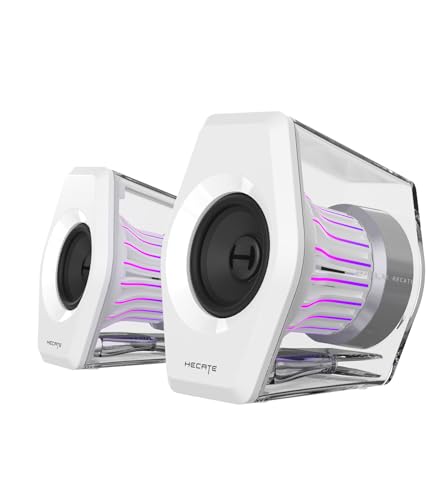
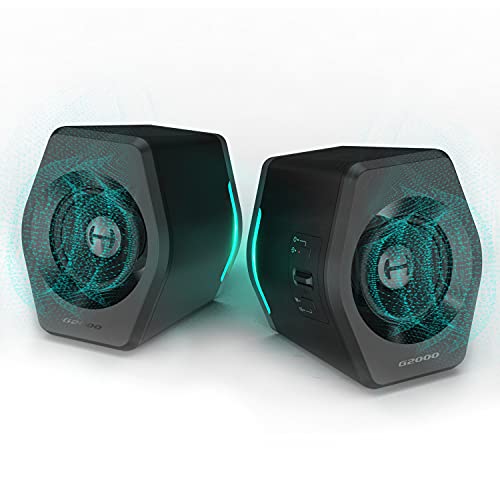
Selecting the ideal audio gear for your desktop requires balancing spatial clarity with strong lower frequencies during gameplay. When evaluating the Best Gaming Speaker Sets in November 2026, the Edifier G2000 Pro 2.0 RGB Gaming Speakers with 64W stands out as our top choice for players who want clear directional cues and robust peak power. Pairing these high-performing speakers with high-refresh gaming monitors completes an engaging battle station.
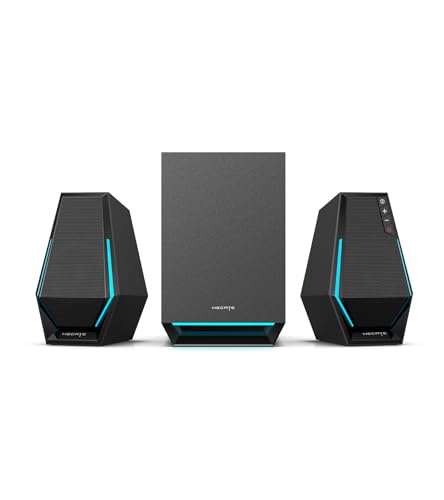
If you prefer extra bass output for action titles without spending top dollar, consider a dedicated sub-woofer setup. The Bluedee Computer Speakers with Subwoofer serves as an excellent alternative, offering smooth digital signal tuning and multi-device inputs at a reasonable price point. We analyzed 7 popular options across a budget to help you select the ideal match.


Best Gaming Speaker Sets Buying Guide for 2026
Acoustic Output and Peak Power
Peak wattage ratings indicate how much instantaneous energy speakers handle during explosive in-game actions. High RMS power ensures sustained audio volume without creating high-frequency harmonic distortion. Selecting units with adequate power headroom prevents clipping during intense multiplayer combat sequences.
Compact desktop monitors require clean amplification to fill small to medium rooms evenly. Selecting higher wattage models ensures clear dialogue reproduction during dialogue-heavy cinematic moments. Balance total power output with your primary room size to avoid overpowering close-range seating positions.
2.0 Stereo vs. 2.1 Subwoofer Architecture
Two-channel stereo speaker pairs provide a streamlined setup without taking up floor space under your desk. These satellite drivers use rear bass ports or angled enclosures to direct clear spatial cues toward your ears. They suit clean desktop setups where floor room for subwoofers remains limited.
Dedicated subwoofers handle low-frequency rumble independently from mid-range satellite speakers. Separating bass duties allows satellite drivers to output crisp footsteps and vocal communications clearly. Consider a dedicated sub system if action gaming immersion and movie watching are your main priorities.
Connectivity Options and Latency
Wired audio connections like USB sound card modes and 3.5mm analog jacks provide zero signal latency. Direct USB input bypasses noisy motherboard audio circuitry for cleaner overall sound processing. High-speed wired connections prevent delay between visual cues on screen and audible feedback.
Modern Bluetooth technology adds seamless wireless playback for mobile phones, tablets, and handheld consoles. Look for Bluetooth 5.1 or newer to ensure stable range and low power consumption. Switching between wired PC inputs and wireless phone audio with one button increases everyday convenience.
Equalizer Modes and DSP Tuning
Digital Signal Processing fine-tunes audio frequencies to match specific media types automatically. Dedicated gaming modes boost subtle environmental sound effects like reloading sounds and opponent steps. Movie and music presets restore wider stereo separation for rich entertainment playback.
Hardware equalizer buttons allow quick sound adjustments without leaving active full-screen applications. Reliable sound modes keep vocal frequencies distinct from background explosions during team chat. Exploring detailed acoustic guides in our how-to guides helps optimize software settings.
Physical Dimensions and Desktop Ergonomics
Desk space limits dictate how large satellite speakers can be before crowding mouse movement. Angled speaker cabinets direct high-frequency audio beams straight toward ear level for improved clarity. Compact footprints leave essential desk space available for oversized gaming mousepads and keypads.
Anti-slip rubber feet isolate speaker cabinets from micro-vibrations across wooden desk surfaces. Cabinet materials like medium-density fiberboard minimize internal resonance compared to thin hollow plastic frames. Choosing well-damped cabinets prevents unwanted rattling during heavy sub-bass passages.
RGB Illumination and Aesthetic Customization
Integrated RGB lighting arrays match ambient illumination across keycaps and computer peripherals. Customizable lighting modes range from static monochrome glows to dynamic audio-reactive color spectrums. Transparent lighting zones spread vibrant illumination across back walls for added atmospheric depth.
Convenient physical controls let you dim or turn off lighting completely during late-night gaming. Premium finishes like matte paneling and metal accents maintain a stylish appearance when lights are inactive. Choose lighting designs that match your wider workstation lighting theme smoothly.
How We Evaluated
Our evaluation process focuses on analyzing technical datasheets, component materials, and documented connectivity standards across leading audio brands like Logitech, Edifier, Bluedee. We compare power output metrics, cabinet construction materials, driver sizes, and signal-to-noise ratios. This data-driven approach ensures every recommendation reflects verifiable performance traits for gaming setups.
We also assess user control ergonomics, software equalization features, and physical cable lengths. Port options are cataloged to evaluate compatibility across PCs, consoles, and mobile hardware. By examining trade-offs between space-saving 2.0 pairs and sub-bass 2.1 configurations, we present clear choices for every desk layout.
Common Mistakes to Avoid
Relying exclusively on Bluetooth connections for fast-paced competitive shooters often introduces subtle audio delay. Standard Bluetooth protocols can cause noticeable sound latency between firing a weapon and hearing the impact. Always connect main gaming PCs via USB or 3.5mm wired cables to maintain instant response times.
Placing a dedicated subwoofer directly on a hollow wooden desk surface creates muddy, vibrating bass. Subwoofers perform best when positioned on firm flooring beneath your setup. Elevating satellite speakers to ear level also prevents desk surfaces from bouncing high frequencies unpredictably.
Ignoring peak power headroom can lead to audio distortion when pushing lower-wattage speakers to maximum volume. Operating small speakers at high gain degrades sound quality and stresses tiny full-range drivers. Selecting a system with higher wattage allows clean output at comfortable listening levels.
Buying Checklist
- Verify your computer workstation has available USB or 3.5mm ports for zero-latency wired audio.
- Check available floor space under your desk if you select a 2.1 system with a subwoofer.
- Confirm satellite speaker height fits beneath low-clearance computer displays or monitor arms.
- Ensure total RMS power matches your room dimensions and preferred listening volumes.
- Look for physical control knobs if you prefer quick volume adjustments without software menus.
- Check if RGB lighting effects can be dimmed or toggled off during nighttime use.
- Validate multi-device Bluetooth support if you connect secondary smartphones or handheld consoles.
Final Thoughts
Selecting the right acoustic setup elevates your gaming experience while improving spatial awareness during competitive multiplayer matches. For absolute peak performance, the Edifier G2000 Pro 2.0 RGB Gaming Speakers with 64W delivers exceptional output power, spatial sound rendering, and dynamic lighting effects. Its compact footprint fits effortlessly beside dual-monitor setups.
If you want heavy low-end impact for action titles, the Bluedee Computer Speakers with Subwoofer provides rich 2.1 audio separation at an accessible price. Budget-focused gamers seeking straightforward control will appreciate the reliable design of the Logitech Z313 2.1 Multimedia Speaker System. Pairing these sound systems with quality HDMI monitors ensures an engaging media experience.
Frequently Asked Questions
Are 2.0 or 2.1 Best Gaming Speaker Sets better for competitive gaming?
A 2.0 stereo speaker pair is often preferred for competitive spatial awareness because high and mid frequencies remain crisp without heavy bass interference. However, quality 2.1 setups with tuned subwoofers add visceral depth for single-player narrative titles. Selecting options with dedicated game EQ modes optimizes both configurations for step tracking.
Why should I use USB connections instead of 3.5mm AUX audio cables?
USB connections transmit digital signals directly to the internal sound card of the speaker system, bypassing budget motherboard audio processing. This reduces electrical background hiss and static noise caused by internal computer components. USB audio also enables software-based virtual surround sound effects in select models during 2026.
Can I use Bluetooth for playing fast-paced PC games?
While modern Bluetooth 5.1 and 5.4 offer improved stability, wireless audio transmission still incurs minor latency. For competitive shooters where instant spatial sound cues matter, direct wired connections remain superior. Bluetooth is best reserved for casual music playback and secondary device streaming.
How much wattage do I need for a desktop audio setup?
For standard desktop setups, 15W to 30W RMS power provides plenty of volume for clear listening without harmonic distortion. Peak power ratings around 32W to 64W ensure dynamic headroom for loud in-game explosions. Larger gaming rooms or open entertainment areas benefit from systems offering higher RMS capabilities.
Do RGB lights on Best Gaming Speaker Sets distract during gameplay?
Most modern gaming speakers feature dedicated control buttons or software options to adjust lighting brightness and color patterns. You can switch to soft static illumination or disable RGB lighting entirely during focused late-night sessions. Position lights facing back walls to create subtle ambient wall glows.
What is the difference between peak power and RMS power ratings?
RMS power measures continuous sustained audio output without thermal stress or sound distortion over extended periods. Peak power represents the maximum short burst energy speakers handle during sudden volume spikes. Evaluating RMS power gives a realistic measurement of daily speaker loudness.
How do angled speaker enclosures improve desktop sound quality?
Angled speaker cabinets tilt driver cones upward by 10 degrees to target high frequencies directly toward your ears. High-frequency sound waves travel in directional paths, so pointing drivers upward prevents treble frequencies from bouncing off desk surfaces. This elevation sharpens vocal clarity and positional detail in 2026 setups.









