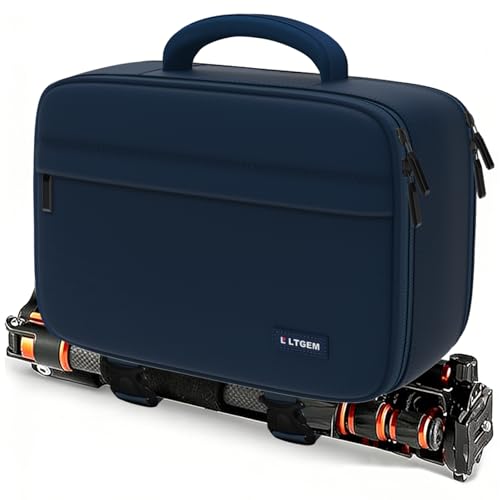
Selecting the right protective gear for your camera setup ensures your equipment stays safe during night shoots and outdoor travel. For November 2026, we evaluated 5 carrying solutions from trusted brands like L LTGEM, LTGEM to determine which bag offers the best protection for your investment. The Camera Bag for Canon/Sony/Nikon DSLR SLR Camera stands out as our top overall choice, offering customizable internal foam dividers and water-resistant fabric.
If you are seeking maximum storage flexibility at an affordable price, the Camera Bag for Canon/Sony/Nikon DSLR SLR Camera serves as an exceptional runner-up option. This durable carrying case provides triple-layer protective padding along with dual-side access ports for quick lens changes in low-light environments. You can check out our related How To guides to learn more about optimizing your digital photography gear setup.


Best DSLR Cameras for Low-Light Photography Buying Guide for 2026
Internal Cushioning and Impact Protection
Shooting in dark conditions often requires traveling over uneven terrain with delicate camera bodies and wide-aperture lenses. High-density EVA foam walls and shock-absorbing interior padding prevent costly internal damage whenever accidental drops or bumps occur on location. Soft inner linings like micro-velvet protect sensitive lens glass coatings and rear display screens against scratches during transport.
Evaluating protective layers helps you choose a case capable of absorbing heavy vibrations during travel. Bags utilizing multi-layer barrier systems combine stiff outer shells with soft shock-absorbing cores to preserve sensitive glass element alignment. If you want to connect your editing station to high-resolution displays, view our guide on external monitors guide options.
Storage Customization for Fast Lenses
Low-light photographers often carry multiple prime lenses with wide maximum apertures to maximize light collection. Modular divider systems with removable Velcro partitions allow you to reconfigure the internal storage space according to your exact gear arrangement. Having six or more adjustable dividers lets you isolate individual lens barrels while preventing equipment from colliding inside the main compartment.
Proper layout planning ensures that extra battery packs, lens hoods, and external flashes stay organized and easy to locate in low light. A well-designed interior compartment keeps heavy zoom lenses balanced alongside lighter mirrorless or DSLR bodies. Customization also allows you to dedicated space for mobile phones, memory card cases, and cleaning tools.
Weather Resistance and Exterior Durability
Nighttime shoots often involve exposure to dew, light rain, mist, or low ambient temperatures in outdoor environments. High-density Oxford fabric with water-repellent coatings keeps moisture from penetrating internal compartments and harming sensitive camera electronics. Reinforced stitching along heavy stress points prevents seam separation when carrying full gear setups across long distances.
Selecting durable exterior materials protects your gear from harsh environmental elements and abrasive ground surfaces. High-grade synthetic fabrics withstand scraping against rocks, dirt, and concrete without tearing or losing structural integrity over time. Exploring structured workflows can also benefit from checking out our detailed high-resolution display setups.
Access Speed and Zipper Ergonomics
Capturing sudden photo opportunities in low light requires quick access to your camera body without removing your entire backpack. Dual-sided zipper openings allow photographers to swing their bag around to their chest and retrieve camera gear rapidly. Smooth zipper glides paired with rubberized pull tabs ensure reliable operation even when operating gear with cold fingers or gloves.
Secondary exterior storage pockets make it simple to access small accessories like memory cards, spare batteries, and lens caps. Having dedicated exterior straps for tripods ensures that essential stabilization tools remain readily available without cluttering internal compartments. Fast gear retrieval lets you focus on capturing dark landscapes and nighttime cityscapes seamlessly.
Weight Distribution and Strap Adjustability
Carrying heavy camera gear for extended nighttime sessions can cause shoulder fatigue if your bag lacks proper ergonomic support. Padded sling straps distribute total pack weight evenly across your chest and back to reduce localized muscle strain. Adjustable length webbing allows you to position the bag securely against your body while walking through crowded urban or trail environments.
Integrated luggage pass-through straps make transporting equipment through airports or transit hubs far more convenient for travel photographers. Ergonomic handles provide a secondary carrying method when quick transport over short distances is required. Balanced weight distribution helps maintain your energy levels during demanding photo shoots.
How We Evaluated
Our analysis focused on objective specifications provided in manufacturer data, including exterior material ratings, interior dimensions, and divider versatility. We assessed how effectively each bag accommodates various camera bodies, prime lenses, and tripod setups across standard price ranges. By examining structural layer construction and zipper placement, we evaluated overall protection and user convenience for nighttime photography sessions.
We also examined ergonomic design factors such as shoulder strap padding density, overall carrying weight, and secondary transport features. Brand reputations across options from L LTGEM, LTGEM were reviewed to confirm build consistency and long-term fabric durability. Our recommendations reflect factual feature evaluations to help photographers select reliable protection for their camera equipment.
Common Mistakes to Avoid
One common error is purchasing a carrying bag without verifying the interior depth against your largest zoom lens attachment. Packed camera bodies with attached long lenses require adequate internal depth to prevent pressure on the lens mount. Always measure your largest camera configuration before committing to a fixed internal volume.
Another mistake is overlooking the importance of exterior tripod attachment straps when building a low-light setup. Long-exposure photography requires stable tripod mounting, and carrying tripods by hand severely limits mobility and comfort. Choosing a sling bag with dedicated external straps keeps your hands free while hiking to remote shooting locations.
Finally, buyers frequently neglect water-resistant material ratings and zipper weather seals during gear selection. Dew and ambient moisture accumulate quickly during late-night shoots, making water resistance essential for protecting internal electronics. Investing in triple-layer Oxford fabric construction helps protect your camera system against unexpected moisture.
Buying Checklist
- Confirm internal dimensions accommodate your largest camera body and main zoom lens together.
- Verify the presence of at least six removable padded dividers for flexible gear organization.
- Check that outer materials feature waterproof Oxford fabric to shield against ambient nighttime moisture.
- Ensure soft velvet interior lining is used to prevent scratches on front lens elements and LCD screens.
- Look for dual-side opening zippers that allow fast equipment retrieval without setting the bag on wet ground.
- Confirm dedicated external straps are included for mounting a portable travel tripod securely.
- Check that shoulder straps feature padded cushioning to minimize fatigue during extended photo sessions.
- Verify luggage strap integration if you plan to carry your equipment through airports or transit stations.
Final Thoughts
Selecting the right protective bag ensures your camera gear remains secure, dry, and organized during demanding shooting sessions. For overall functionality and durable construction, we recommend the Camera Bag for Canon/Sony/Nikon DSLR SLR Camera. Its multi-layer padding, waterproof Oxford cloth outer layer, and dual side openings make it an outstanding choice for dedicated photographers.
If you are looking for top value without compromising on impact safety, the Camera Bag for Canon/Sony/Nikon DSLR SLR Camera delivers exceptional utility across diverse shooting environments. For photographers who prefer secondary colorways, the Camera Bag for Canon/Sony/Nikon DSLR SLR Camera offers identical protection in a navy finish. To expand your knowledge on digital workstation setups, explore our detailed external display screens overview.
Frequently Asked Questions
How do carrying bags protect equipment used for Best DSLR Cameras for Low-Light Photography in 2026?
Carrying bags protect camera setups by using multi-layer EVA foam walls and soft interior velvet linings. These materials absorb physical impacts and prevent surface scratches on lens glass during transit. Dedicated internal dividers also stop heavy equipment from colliding inside the bag.
Can these camera bags fit multiple fast prime lenses alongside a DSLR body?
Yes, these camera bags include up to six customizable internal dividers to accommodate multiple lenses. Photographers can adjust short and medium partitions to fit fast prime lenses, battery chargers, and camera bodies tightly. This customizable layout prevents gear movement while walking or hiking.
Why is water resistance important when shooting in low-light environments?
Nighttime and early morning photography frequently involves exposure to ground dew, fog, and unexpected rain showers. Waterproof Oxford cloth exteriors prevent water droplets from seeping into internal compartments where delicate camera sensors and electronic circuits reside. Keeping internal compartments dry prevents moisture damage to sensitive optics.
How do dual side openings improve shooting efficiency during night shoots?
Dual side openings allow photographers to retrieve their camera body or swap lenses without placing the bag on dark or damp ground. You simply slide the sling bag across your chest and access internal compartments via side zippers. This design accelerates equipment setup when tracking fleeting low-light scenes.
Are these camera bags compatible with travel tripods?
Yes, these sling bags feature dedicated external tripod straps designed to hold compact travel tripods securely. Carrying your tripod externally keeps your hands free while keeping your main camera compartment dedicated to lenses and accessories. Tripod stabilization is essential for long-exposure photography in dark conditions.
What interior lining material best protects lens coatings from scratches?
Soft velvet interior linings offer the safest protection against scratches on rear LCD screens and optical lens coatings. Unlike rough synthetic fabrics, velvet cushioning minimizes friction when sliding camera gear in and out of tight compartments. This protective inner barrier maintains your gear’s pristine surface condition over time.
What is the benefit of a sling bag design over a traditional backpack?
Sling bags offer faster access to camera equipment because they rotate around the body without needing full removal. Photographers can change lenses or grab battery packs quickly while standing in crowded or wet locations. You can check our best hi res monitors for productivity and comfort review for post-production workspace suggestions.
How should I organize dividers for maximum safety inside the bag?
Place your main camera body in the central compartment with the heaviest lens attached for balanced weight distribution. Position shorter prime lenses in lower sections separated by short padded dividers to prevent shifting. Store small items like memory cards and spare batteries in upper mesh pockets for instant access.