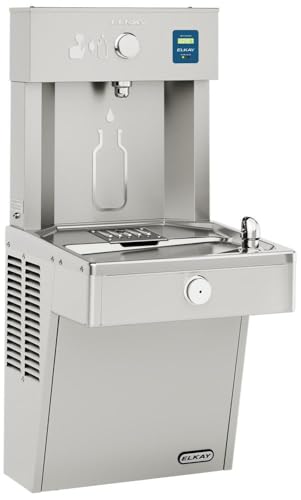
When selecting Best Bottle Filling Machines for high-traffic environments, the Elkay LZS8WSVRLK ezH2O Bottle Filling Station delivers exceptional touchless sanitation and reliable chilling. It features a rapid laminar flow design alongside an integrated filter visual monitor to ensure clean water across busy facilities.
For locations needing maximum durability against tampering, the heavy-duty Elkay LVRC8WSK EZH2O Vandal-Resistant Bottle offers robust stainless steel construction. You can also explore our guide on How To maintenance strategies to keep equipment running efficiently. We analyzed 5 models for October 2026 to find the best options across.



Best Bottle Filling Machines Buying Guide for 2026
Filtration Standards and Water Quality
High quality water filtration systems reduce lead, particulates, and chlorine taste from municipal water lines. Standard certified filters handle thousands of gallons before requiring replacement, ensuring consistent taste for daily users.
Visual filter monitors display LED status indicators that notify maintenance personnel when replacement cartridges are required. Look for units certified under NSF 42 and 53 standards to guarantee effective contaminant removal.
Flow Rate and Dispensing Speed
High flow rates are essential for high traffic locations like school hallways and commercial gyms during peak usage hours. Rapid fill rates around one gallon per minute minimize queue times and prevent bottle congestion.
Laminar flow technology provides a clean, smooth stream of water that reduces splashing and minimizes spills around the basin. This design feature maintains cleaner floors and lowers slip hazards in busy public spaces.
Activation Mechanisms and Hygiene
Touchless sensor activation provides modern hygienic operation by allowing users to fill containers without direct surface contact. Infrared sensors detect bottles instantly to start and stop water flow automatically.
Antimicrobial components embedded in high-touch plastic surfaces further resist mold, mildew, and odor-causing bacteria growth. Facilities planning digital operations can also explore Desktop & External Monitors for monitoring building utility hardware.
Vandal Resistance and Material Construction
High-use public installations require rugged construction to withstand heavy daily wear and intentional tampering. Vandal-resistant push buttons, tamper-proof screws, and heavy-gauge stainless steel prevent physical damage.
Integrated chrome-plated bubbler guards prevent user contamination and shield internal water outlets from airborne deposits. Selecting durable metal enclosures extends product lifespan in unmonitored recreational environments.
Chilling Capacity and Power Efficiency
Refrigerated units deliver cold, refreshing water continuously by utilizing hermetically sealed refrigeration compressors. Chilling capacities of eight gallons per hour suit standard commercial corridors during routine shift changes.
Low energy consumption models feature smart lighting systems that illuminate filling areas while reducing overall electrical draw. Efficient cooling systems keep operating costs predictable without sacrificing performance during peak summer months.
Installation Type and Plumbing Alignment
Commercial hydration stations come in wall-mounted, recessed, and floor-standing configurations to match existing building plumbing. ADA-compliant wall designs ensure full accessibility for individuals using wheelchairs.
Matching water supply lines and drain placement simplifies installation during facility retrofits or new construction projects. Maintenance teams tracking upgrade schedules can view display suggestions in our guide for best external computer monitors for comfort at work.
How We Evaluated
Our evaluation process focuses on comparing technical manufacturer specifications, filtration certifications, and structural durability ratings. We analyzed key operational metrics including flow rates, refrigeration capacity, and sensor responsiveness across different installation footprints.
We assessed structural housing materials, ADA compliance features, and maintenance indicators from verified product data. This objective analysis highlights how each system balances sanitary convenience with long-term facility reliability.
Common Mistakes to Avoid
Ignoring ADA height clearance rules during wall mounting creates accessibility issues for system users. Installing units without proper structural backing leads to wall sag and plumbing connection leaks over time.
Selecting non-refrigerated models for hot environments results in warm, unappealing water during peak afternoon hours. Failing to account for filter replacement schedules leads to reduced flow rate and poor taste quality.
Purchasing light-duty plastic units for high-abuse school corridors invites premature mechanical breakdown and vandal damage. Always match structural reinforcement levels to the specific traffic conditions of your building.
Buying Checklist
- Verify water supply line pressure and existing drain location dimensions.
- Confirm structural wall backing support for heavy wall-mounted filling stations.
- Check ADA installation height guidelines for accessible building compliance.
- Ensure power electrical outlet access for refrigerated compressor operation.
- Select appropriate NSF filter certification levels for local water quality.
- Choose vandal-resistant push bars for high-traffic or public installations.
- Confirm filter replacement availability and visual LED status monitor inclusion.
Final Thoughts
Selecting the right unit for your facility requires balancing foot traffic needs with durable sanitary construction. For comprehensive features and touchless sensor operation, we recommend the Elkay LZS8WSVRLK ezH2O Bottle Filling Station as our top choice.
Facilities requiring extra defense against vandalism will benefit from the heavy-gauge steel on the Elkay LVRC8WSK EZH2O Vandal-Resistant Bottle. Meanwhile, spaces needing basic wall-mounted cooling can opt for the Elkay Cooler Wall Mount ADA Filtered 8 GPH Light.
Upgrading your drinking stations improves public health while supporting eco-friendly plastic reduction goals across your organization. For additional facility management resources and equipment insights, explore our best HD computer monitors overview.
Frequently Asked Questions
How does a bottle filling station reduce plastic waste in 2026?
Bottle filling stations feature built-in Green Ticker displays that count the number of single-use plastic water bottles saved. Encouraging reusable bottle usage significantly reduces plastic landfill waste across commercial facilities.
What is the flow rate of Best Bottle Filling Machines?
Most commercial Best Bottle Filling Machines offer a laminar flow rate of roughly 1.1 gallons per minute. This fast fill speed allows users to fill bottles quickly without splashing or overflow.
How often should water filters be replaced in bottle fillers?
Filters are typically rated for 3,000 gallons or roughly one year of regular daily operation. LED visual status monitors notify maintenance staff when filter performance degrades and replacement is required.
Are touchless bottle filling stations more sanitary than fountains?
Touchless sensor-activated units minimize physical hand contact, reducing cross-contamination risks in public spaces. In addition, antimicrobial plastic components on key surfaces help keep filling areas clean and odor-free.
What electrical setup is required for refrigerated water fillers?
Refrigerated drinking water stations generally require a standard 115-volt electrical outlet to power internal cooling compressors and sensors. Non-refrigerated options do not require electrical connections unless touchless sensors are present.
Can bottle filling stations be installed outdoors?
Certain heavy-duty vandal-resistant models are rated for both indoor and outdoor installation. Outdoor models feature weather-resistant stainless steel construction and protected internal components to handle severe environments.
How do I maintain ADA compliance when installing bottle fillers?
ADA compliance requires mounting units at specified clearance heights so individuals in wheelchairs can easily access controls and spouts. Proper side reach space and clear floor area must be maintained around the station. Staff managing digital facility records can check our guide on 4K, 6K & 8K Monitors for detailed workstation planning.