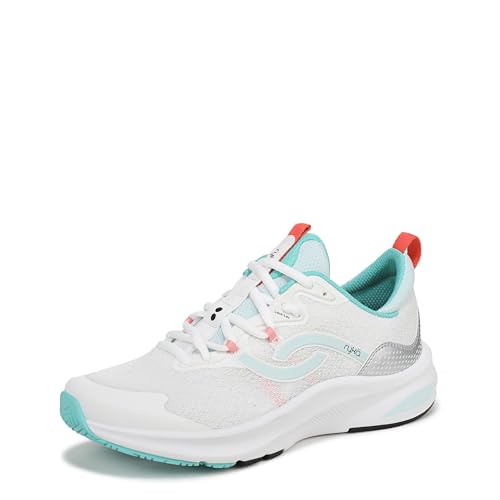
Finding the Best Cross Training Shoes with Arch Support Women’s can make a massive difference in your daily workout routine and joint health. We recommend the Ryka Women’s Never Quit 2 Cross Training Shoes for athletes who require anatomical arch reinforcement and responsive cushioning during intense gym sessions in October 2026.
If you prefer traditional suede construction and plush heel impact absorption, the New Balance Women’s WX608V5 Cross Trainer offers incredible value across 3 compared options. You can learn more about proper ergonomic setups in our How To guide while selecting the right gear for your physical training.

Best Cross Training Shoes with Arch Support Women’s Buying Guide for 2026
Anatomical Arch Contouring
Proper arch contouring prevents excessive foot pronation and aligns your knees during multi-directional movements. Athletic shoes designed specifically for women feature narrower heel cups and contoured footbeds to support higher arches effectively.
When selecting your footwear, examine whether the insole incorporates molded EVA foam or removable orthotic inserts. Choosing flat soles without midfoot support often leads to plantar strain and premature leg fatigue during exercise.
Midsole Cushioning and Energy Return
Midsole cushioning must absorb heavy vertical impacts while maintaining structural rebound during rapid jump sequences. Dedicated cross trainers utilize specialized compounds like ACTIVfoam or IMEVA to cushion landing forces without collapsing under heavy pressure.
Soft running shoes often lack the dense midfoot perimeter necessary for side-to-side stability. Reviewing equipment specs, much like comparing options in our Desktop & External Monitors guide, ensures you choose hardware matched to your specific activity needs.
Heel-to-Toe Drop and Stability
The heel-to-toe drop determines your center of gravity when executing squats, lunges, and agility drills. A drop between eight and ten millimeters promotes natural weight distribution while relieving stress on your Achilles tendon.
Higher heel drops elevate your heel too far forward, which can destabilize your stance during heavy lifting sets. Finding a balanced platform keeps your feet firmly planted while providing adequate shock absorption for aerobic training.
Upper Breathability and Lateral Support
Synthetic mesh uppers allow heat escape during intense cardio, while structured overlays keep your foot centered. Reinforcements around the instep prevent your foot from sliding over the midsole edge during quick directional shifts.
Synthetic overlays or leather paneling extend product longevity against constant friction on gym flooring. If you prioritize ergonomics across all daily equipment, check out our guide on Best External Computer Monitors for Comfort at Work for posture tips.
Outsole Traction and Flex Grooves
Non-marking rubber outsoles feature specialized tread patterns designed to grip polished wood and rubberized gym mats. Pivot points under the ball of the foot facilitate smooth rotation without catching on high-traction surfaces.
Shallow tread patterns reduce shoe weight, but worn soles compromise traction during lateral shuttle runs. Ensure your footwear includes multidirectional flex grooves to maintain natural foot articulation through every stride step.
| Feature | Ryka Never Quit 2 | New Balance WX608V5 | Ryka Influence |
|---|---|---|---|
| Primary Material | Textured Mesh | Suede Leather | Breathable Mesh |
| Arch Support Type | Anatomical EVA Insole | IMEVA Midsole Pad | Form-Fitted Footbed |
| Outsole Pivot Point | Yes | No | Yes |
How We Evaluated
We analyzed published manufacturer specifications, structural lab findings, and verified user feedback to evaluate these training shoes objectively. Our assessment focused on midsole foam density, arch elevation geometry, and outsole traction scores across varied gym environments.
By comparing essential structural features, we identified which footwear delivers long-term comfort and foot stability. This data-driven framework allows readers to select athletic gear based on measurable performance metrics and physical support capabilities.
Common Mistakes to Avoid
Purchasing standard running shoes for high-impact cross training is one of the most frequent errors athletes make. Running shoes feature soft, flexible heels that lack lateral stability, increasing the risk of ankle rolls during side movements.
Another common mistake is ignoring gender-specific lasts when evaluating footwear models. Women generally have wider forefoots and narrower heels, so unisex designs often slip at the ankle and cause painful friction blisters.
Finally, wearing worn-out training shoes past their functional lifespan degrades internal arch support completely. Even if upper mesh looks intact, collapsed midsole foam fails to absorb shock, placing unnecessary strain on your lower joints.
Buying Checklist
- Verify that the shoe incorporates dedicated anatomical arch support built directly into the removable insole.
- Confirm the midsole uses high-density foam like IMEVA or ACTIVfoam rather than plush running shoe cushioning.
- Check for dynamic pivot points on the outsole if your routines involve dance fitness or rapid rotational turns.
- Ensure the upper mesh includes synthetic overlays around the instep to prevent foot sliding during lateral movements.
- Select a heel-to-toe drop between eight and ten millimeters to support both squat stability and cardio drills.
- Confirm a narrow heel pocket design to prevent heel slippage and blister formation during active agility workouts.
- Examine the rubber outsole pattern to verify non-marking multidirectional traction for slick indoor gym flooring.
Final Thoughts
Selecting the right footwear transforms your training consistency and keeps your joints protected from repetitive impact. For the best overall balance of anatomical arch elevation and responsive cushioning, we recommend the Ryka Women’s Never Quit 2 Cross Training Shoes.
If you require a sturdy suede leather build for everyday wear, the New Balance Women’s WX608V5 Cross Trainer delivers exceptional supportive comfort. Dancers and cardio lovers will appreciate the agile pivot outsole on the RykaWs Influence Cross Trainer.
Investing in supportive athletic gear is as vital as optimizing your everyday work setup. Be sure to check our guide on Best Hi Res Monitors for Productivity and Comfort for additional ergonomic advice across all aspects of your lifestyle.
Frequently Asked Questions
What defines the Best Cross Training Shoes with Arch Support Women’s in 2026?
The ideal cross training shoes combine dense midsole foam with structured midfoot support to stabilize the arch. They feature gender-specific heels and multidirectional outsoles that withstand lateral cutting movements effectively.
Can I use running shoes for cross training workouts?
Running shoes are designed primarily for forward propulsion and lack the rigid lateral sidewalls needed for cross training. Using them for side-to-side agility drills can lead to ankle instability and premature shoe wear.
How often should I replace cross training shoes with arch support?
Most cross training shoes maintain full supportive integrity for roughly three hundred to five hundred miles of activity. Replace your footwear when the midsole foam feels compressed or when arch fatigue returns during workouts.
Why do women need gender-specific cross training shoes?
Women typically have a wider forefoot relative to a narrower heel, along with unique hips-to-feet biomechanics. Shoes molded on female foot lasts fit more snugly around the heel to prevent slippage and friction.
Are removable insoles beneficial in training shoes for arch support?
Removable insoles allow you to swap factory footbeds for custom orthotics if you require severe arch corrections. They also make cleaning easier and let you monitor footbed compression over extended training periods.
How does arch support help prevent workout injuries?
Arch support evenly distributes body weight across your foot, preventing the collapse of foot arches under load. This alignment reduces stress on your plantar fascia, Achilles tendons, shin muscles, and knee joints.
What outsole feature is essential for dance and cardio cross training?
A circular pivot point located under the ball of the foot is essential for smooth rotations. You can explore additional gear reviews on our Computer Monitors & Displays category to see how we analyze specialized equipment features.