

Choosing a reliable tracker transforms how you understand overnight recovery and resting wellness. The Google Fitbit Inspire 3 – Midnight Zen/Black delivers exceptional overnight pulse tracking, sleep stage breakdowns, and a slim design that stays comfortable all night.
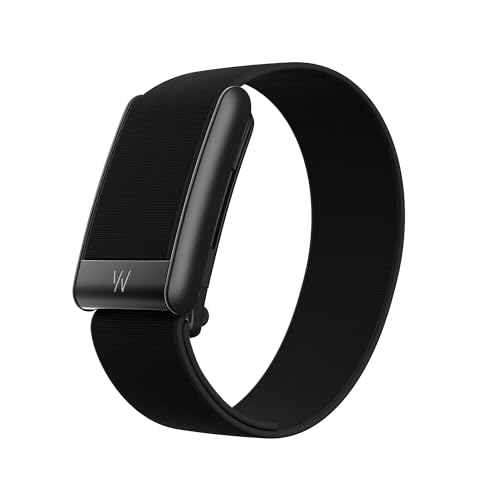
For athletes who want advanced physiological recovery insights without screen distractions, the WHOOP One – 12 Month Membership offers continuous data logging. In November 2026, our breakdown of 10 Best Heart Rate Monitors for Sleep Tracking also highlights budget-friendly trackers for everyday wellness routines. Browse our practical how to guides to see how health tech improves daily productivity.



Best Heart Rate Monitors for Sleep Tracking Buying Guide
Sensor Accuracy and Sampling Frequency
Overnight pulse tracking requires high sampling frequency to detect subtle heart rate variability and nocturnal dips. Optical PPG sensors that measure pulse continuously capture recovery trends far better than intermittent monitors.
Reliable sampling helps companion applications distinguish between light, deep, and REM sleep cycles accurately. Inconsistent readings create jagged recovery graphs that make identifying sleep disruptions difficult.
Wearable Form Factor and Nighttime Comfort
Physical comfort directly influences sleep quality, making slim and lightweight wristbands preferable for overnight use. Bulky smartwatches often catch on bedsheets or press uncomfortably against wrists during side sleeping.
Screenless bands or low-profile designs ensure that accidental wrist movements do not illuminate bright displays in dark rooms. If you prefer zero body contact, contactless radar monitors provide an alternative for undisturbed rest.
Sleep Stage Analysis and Recovery Metrics
Modern health monitors calculate recovery by cross-referencing resting heart rate with heart rate variability and breathing rates. These biological signals reveal whether your body completed cellular repair or remained in an elevated stress state.
Effective software translates raw nightly pulse counts into actionable sleep scores and readiness ratings. You can explore our external display setups to learn how organized workspaces complement healthy recovery routines.
Battery Longevity and Charging Habits
Sleep tracking devices must provide several days of continuous battery life to prevent unexpected mid-night shutdowns. Devices requiring daily charges often end up on nightstands overnight rather than tracking your actual rest.
Look for trackers that run for at least five to seven days between charges. Extended battery endurance guarantees consistent data logging across entire workweeks and weekend recovery sessions.
Companion App Experience and Data Export
Hardware sensors are only as useful as the software that interprets their overnight measurements. Capable companion apps present clear trendlines, resting pulse averages, and seamless data export options for wellness consultations.
Check whether long-term health history requires optional subscription fees or functions entirely through local storage. Devices with onboard memory allow standalone recording before syncing directly with mobile apps in the morning.
Additional Overnight Vitals: Blood Oxygen and Skin Temperature
Monitoring blood oxygen saturation alongside pulse rate helps identify potential overnight breathing disturbances. Sudden drops in blood oxygen coupled with pulse spikes often indicate restless sleep or environmental air quality issues.
Baseline skin temperature tracking adds extra insight into recovery and natural circadian rhythms. Combining these secondary metrics with pulse data provides a comprehensive picture of your nightly recuperation.
How We Evaluated
We analyzed 10 devices across key performance categories, focusing on sensor consistency, ergonomic comfort, and battery endurance. Our evaluation compared verified manufacturer specifications, app functionality, and user feedback on sleep tracking reliability.
We examined how effectively each tracker logs resting pulse, heart rate variability, and sleep stage transitions. We also weighed the balance between continuous monitoring capabilities and overall hardware usability for long-term health tracking.
Common Mistakes to Avoid
Wearing wristbands too loosely is a frequent error that leads to erratic pulse readings and missing sleep stages. Optical sensors require steady contact against the skin without restricting natural circulation.
Neglecting bedtime display settings can cause bright watch faces to wake you during normal sleep movements. Ensure your tracker features a scheduled sleep mode or a screenless design that keeps the bedroom dark.
Focusing strictly on isolated nightly numbers rather than long-term trendlines can cause unnecessary anxiety. Sleep vitals naturally fluctuate due to daily hydration, late meals, and workout intensity.
Forgetting to charge trackers before bedtime leads to fragmented records and missing recovery data. Establishing a regular charging routine while showering or getting ready prevents unexpected nighttime battery depletion.
Buying Checklist
- Confirm the band material is breathable and comfortable for seven to eight hours of continuous wear.
- Check that the device tracks resting heart rate, heart rate variability, and blood oxygen levels.
- Verify the companion mobile app is compatible with your smartphone operating system version.
- Ensure the battery provides at least five days of runtime to minimize frequent charging interruptions.
- Review whether full sleep metrics and recovery insights require an active ongoing subscription.
- Confirm the presence of a dedicated sleep mode to mute notifications and disable screen wake.
- Check if historical sleep reports can be exported to share with your personal wellness specialist.
Final Thoughts
Selecting the right tool for sleep monitoring helps you understand how daily stress, exercise, and diet influence overnight recovery. The Google Fitbit Inspire 3 – Midnight Zen/Black remains our top overall recommendation thanks to its lightweight frame, accurate pulse sensors, and accessible sleep metrics.
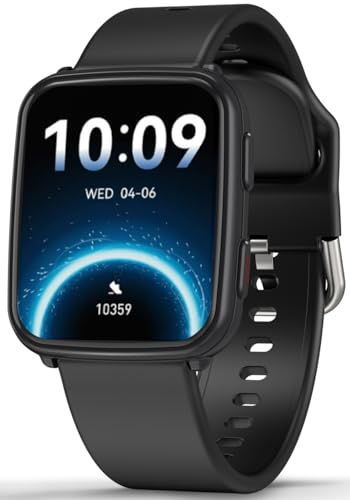
Dedicated athletes seeking deeper recovery guidance will appreciate the WHOOP One – 12 Month Membership for its distraction-free design and physiological strain coaching. If you prefer a budget-friendly option for daily health tracking, the Zeacool Fitness Tracker with 24/7 Heart Rate provides dependable resting heart rate monitoring without extra complexity.
For individuals who dislike wearing wristbands in bed, the SOMNDEEP Non-Wearable Smart Sleep Tracker delivers seamless contactless tracking via radar technology. Pair your recovery insights with our recommendations on external workplace monitors and computer display ergonomics to build a balanced, healthy daily environment.
Frequently Asked Questions
How do Best Heart Rate Monitors for Sleep Tracking measure sleep stages in 2026?
Optical sensors measure pulse rate fluctuations and movement patterns throughout the night. By comparing heart rate variability and breathing rates, software algorithms categorize rest into light, deep, REM, and awake periods.
Is a wristband or a screenless strap better for overnight tracking?
Screenless straps and slim bands prevent accidental screen glare and reduce wrist pressure during sleep. Choosing a low-profile design ensures your sleep remains undisturbed by notifications or bulk.
Can a sleep heart rate monitor detect irregular breathing?
Many advanced monitors incorporate pulse oximetry sensors to record blood oxygen drops alongside pulse variations. These metrics provide valuable trends regarding nocturnal airflow, though consumer devices are designed for wellness rather than clinical diagnoses. Check our health and technology guides for more optimization strategies.
How tight should I wear my tracker while sleeping?
Your tracker should fit snugly about one finger width above your wrist bone without feeling restrictive. A proper fit ensures continuous optical sensor contact without pinching your skin.
Do heart rate sleep trackers work for side sleepers?
Yes, slim trackers and fabric straps work comfortably for all sleeping positions. Contactless bedside monitors offer another viable option if wrist pressure bothers you when sleeping on your side.
Why does resting heart rate drop during deep sleep?
The parasympathetic nervous system takes over during deep sleep, slowing cardiovascular activity and promoting physical recovery. A lower resting heart rate during deep rest indicates effective physical recuperation.
How often should I check my overnight heart rate trends?
Reviewing weekly and monthly trends offers clearer physiological insight than stressing over single-night numbers. Long-term patterns highlight how lifestyle changes, sleep hygiene, and exercise routines impact overall recovery.
What makes the top-rated Best Heart Rate Monitors for Sleep Tracking stand out in 2026?
Leading devices combine high-frequency pulse sampling with long battery life, comfortable bands, and intuitive software analysis. High-end trackers also measure skin temperature and heart rate variability to deliver personalized recovery scores.









