For high bitrate video capture and rapid buffer offloading, the SANDISK 256GB Extreme PRO SD Memory Card delivers top-tier performance with read speeds up to 300MB/s. It clears camera buffer bottlenecks fast so you never miss a critical shot during continuous burst photography sessions.
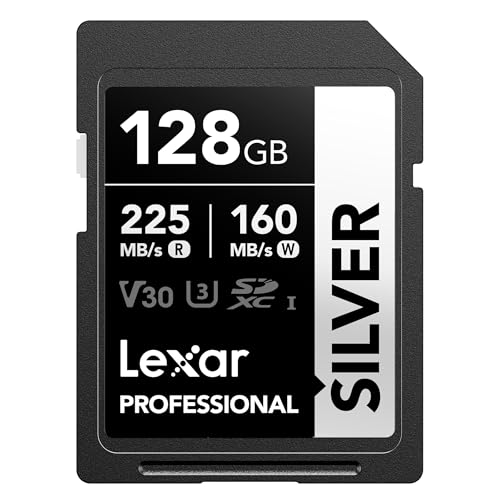
If you want fast speed on a more balanced budget, the Lexar 128GB Silver SD Memory Card, 225MB/s Read offers impressive performance for everyday 4K recording. Reviewing your media files on high resolution media workflow displays is seamless when using cards capable of rapid transfers across 5 evaluated options in September 2026.


Best Highest Speed SD Cards Buying Guide
1. UHS Bus Interface (UHS-I vs UHS-II)
Bus speed protocols dictate the theoretical performance ceiling of modern memory cards. UHS-I cards operate with a single row of pin contacts, topping out around 104MB/s natively, though proprietary controller extensions can boost read rates higher. UHS-II cards add a second physical row of connector pins, doubling the electrical interface bandwidth up to 312MB/s.
Choosing UHS-II ensures your camera transfers files to post-production storage hardware at full speed. However, using a UHS-II card in a camera body built strictly for UHS-I will fall back to legacy speeds. Evaluating your camera slot architecture avoids paying for bandwidth your host device cannot use.
2. Video Speed Class Ratings (V30 vs V60 vs V90)
Video recording demands continuous sustained write performance rather than short bursts. Minimum sequential write rates are designated by Video Speed Class ratings ranging from V30 (30MB/s minimum) up to V90 (90MB/s minimum). High frame rate 4K and RAW 8K video profiles require minimum sustained write rates to prevent frame dropping.
A V30 card handles standard 4K 60FPS video with ease, but uncompressed cinema files demand V60 or V90 specifications. Photographers editing multi-camera projects for cinema quality 8K display setups need consistent write performance to maintain uninterrupted video capture.
| Speed Class | Min Sustained Write | Ideal Resolution |
|---|---|---|
| V30 | 30 MB/s | 4K 60FPS Video |
| V60 | 60 MB/s | 4K High Bitrate / 6K |
| V90 | 90 MB/s | 8K RAW Cinema Video |
3. Read Speed vs Write Speed
Card manufacturers print peak read speeds prominently on product packaging because read figures represent maximum offload velocity. Read speed determines how fast images transfer from the card to your computer drive. High read rates reduce downtime during large media dumps after a long shoot.
Write speed dictates how fast a camera can write image data into storage. When shooting continuous RAW bursts, low write speeds cause camera buffers to fill rapidly, locking the shutter. Balancing high write speed alongside peak read speed creates a responsive photography experience.
4. Physical Durability and Environmental Protection
Memory cards must endure demanding field conditions without data corruption. High performance cards feature ruggedized shells rated against extreme temperatures, physical drops, shock, and x-ray exposure. Waterproof and dust-resistant sealing protects stored media when shooting outdoors.
Professional cards often incorporate ingress protection standards such as IP68 ratings for water immersion. Choosing a resilient casing ensures critical image files remain recoverable even if a card suffers accidental impact or weather exposure during field work.
5. Storage Capacity and File Sizes
Card capacity dictates how many high-resolution photos or video minutes fit onto a single card. Uncompressed RAW photo files and high-bitrate video fill 128GB and 256GB volumes quickly. Selecting adequate capacity minimizes mid-shoot card swaps that disrupt shooting flow.
Viewing high bitrate video clips on high performance computer displays highlights why higher capacity cards are necessary for professional workflows. Matching card size to project scale prevents running out of storage space unexpectedly.
How We Evaluated
Our evaluation of 5 Best Highest Speed SD Cards in September 2026 centers on verified manufacturer specifications, bus standards, and real-world transfer capabilities. We cross-referenced hardware interface compatibility, sustained write speed ratings, and physical durability ratings across top manufacturers including Lexar, PNY, Sandisk.
We analyzed how each card performs under continuous burst shooting scenarios and video capture tasks. By focusing on documented transfer protocols and thermal resistance specs, we identified options that deliver dependable performance for both enthusiast and professional creators.
Common Mistakes to Avoid
One frequent error is pairing a fast UHS-II memory card with a slow USB 2.0 card reader. Legacy readers bottleneck transfer speeds to roughly 40MB/s, completely negating the benefit of purchasing a card rated for 300MB/s. Always use a native UHS-II card reader to achieve advertised offload speeds.
Another common oversight is ignoring minimum sustained write speeds in favor of peak read speed labels. High read speeds do not prevent video recording from stopping abruptly if the sustained write class falls below your camera bitrate requirement.
Buying excessive capacity without checking host device limitations can lead to formatting issues. Older camera models may only support SDHC format standards up to 32GB, while SDXC cards formatted in exFAT require modern firmware compatibility.
Buying Checklist
- Verify if your camera slot supports UHS-II pin layouts or legacy UHS-I only.
- Check your camera video recording bitrate against the required Video Speed Class (V30, V60, V90).
- Confirm maximum continuous read speed matches your computer offloading workflow needs.
- Select a card reader capable of handling UHS-II transfer speeds.
- Check environmental protection ratings like IP68 water and dust resistance if working outdoors.
- Ensure card capacity matches your project file sizes for single shoot days.
- Confirm included recovery software availability for restoring lost or corrupted media files.
Final Thoughts
Choosing from the Best Highest Speed SD Cards comes down to your camera hardware capabilities and output requirements. For maximum speed during continuous RAW shooting and cinema video capture, we recommend the SANDISK 256GB Extreme PRO SD Memory Card for its outstanding 300MB/s read rate and IP68 rating.
Filmmakers creating 8K content will benefit from the V90 rating of the Lexar 256GB 2000x SD Memory Card, 300MB/s Read. Meanwhile, creators needing strong budget performance can rely on the Lexar 128GB Silver SD Memory Card, 225MB/s Read for everyday 4K video work.
Explore our technical how-to guides to learn more about optimizing your digital storage and media production workflows.
Frequently Asked Questions
What makes the Best Highest Speed SD Cards different from standard SD cards?
High speed cards utilize advanced bus interfaces like UHS-II and high video speed classes like V60 or V90. These technical specs allow faster buffer clearing during continuous photo burst mode and support high bitrate 4K or 8K video capture without dropping frames.
Will a UHS-II high speed card work in a UHS-I camera slot?
Yes, UHS-II cards are backward compatible with UHS-I camera slots. However, the transfer performance drops down to the maximum speed supported by the host camera UHS-I bus interface.
Why is read speed higher than write speed on memory card labels?
Reading data from flash memory requires less electrical processing than writing new data onto empty blocks. Manufacturers state peak read speeds to show offloading velocity, but write speeds determine camera buffer clearance rates.
What Video Speed Class do I need for 4K video recording in 2026?
Most standard 4K video recording requires a minimum rating of V30 (30MB/s sustained write). High frame rate 4K or 10-bit color formats benefit from V60 or V90 ratings to ensure continuous frame writing without stopping.
How do I achieve maximum transfer speeds when offloading to a PC?
To reach advertised speeds up to 300MB/s, plug a dedicated UHS-II SD card reader into a high speed USB 3.2 or Thunderbolt port on your computer. Inspecting color accuracy on modern display panel tech requires rapid offloading of large media files first.
Does card capacity affect transfer speed performance?
Higher capacity variants in a card family often feature more parallel memory channels, which can result in faster write performance compared to smaller capacity versions.
Are high speed SD cards resistant to harsh environmental conditions?
Many premium SD cards feature rugged builds that withstand extreme operating temperatures, water immersion, x-ray exposure, and magnetic interference to protect stored data.