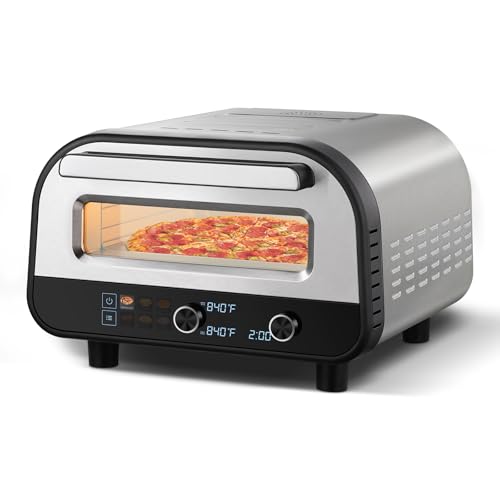
The AMZCHEF Indoor Electric Pizza Oven 12-Inch stands out as our top pick for home cooks wanting authentic Neapolitan texture. Its powerful dual heating elements push internal temperatures up to high heat levels for rapid baking in under two minutes.
For budget-conscious kitchens or multi-tasking cooks, the Gourmia Electric Indoor Pizza Oven provides incredible versatility by combining specialized crust settings with air frying functions. You can explore more appliance advice in our How To tutorials section.




Best Indoor Pizza Ovens Overall Buying Guide
Peak Temperature Capability
Maximum heat output is the single most critical factor when evaluating specialty pizza appliances. Standard conventional kitchen ovens rarely exceed five hundred degrees, which causes dough to dry out before achieving proper crust rise.
Dedicated indoor pizza appliances reach high temperatures between seven hundred and eight hundred degrees. This extreme thermal energy cooks dough rapidly, creating desired leoparding spots while preserving moisture inside the inner crumb structure.
When reviewing thermal performance, verify whether upper and lower elements operate on separate controls. Independent heating channels allow you to adjust top browning without scorching the bottom base during longer bake cycles.
Pizza Stone Material and Thermal Mass
The baking floor material directly dictates heat transfer efficiency into your fresh pizza dough. Natural cordierite and ceramic stones absorb ambient moisture from wet dough, resulting in a crispier undercarriage.
Thicker stone slabs store significantly more thermal energy, maintaining consistency when launching multiple consecutive pizzas. Thinner stones heat up faster initially but lose substantial temperature between baking sessions.
Removable stones simplify maintenance, allowing you to scrape away burnt flour or cornmeal after cooling. Look for models with thick ceramic inserts that resist thermal shock and cracking under rapid temperature fluctuations.
Size and Crust Capacity
Countertop clearance and interior baking area must align with your typical family serving sizes. Standard compact units accept twelve inch pies, which suit individual servings or smaller household gatherings.
Larger fourteen inch capacity units accommodate bigger family style pizzas but require substantial counter space. Consider your storage cabinet height and surrounding workspace before choosing a wide-body appliance.
Proper positioning requires adequate surrounding air circulation to vent heat safely during operation. If you plan to organize your counter alongside workspace and counter configurations, measure overhead clearance prior to purchase.
Preset Modes and Manual Controls
Digital presets streamline baking by automatically adjusting heat distribution for specific pizza styles. Specialized programs tailor element balance for thin crust, Chicago deep dish, or frozen pie recipes.
Manual temperature override features give experienced bakers total control over specialized dough hydration levels. Having discrete top and bottom thermostat dials allows custom fine tuning for non-traditional flour blends.
Beginners often benefit from programmed touchscreens that eliminate guesswork during preheating cycles. Experienced pizza enthusiasts should prioritize models offering independent minute timers and manual heat adjustments.
Multi-Functional Cooking Versatility
Dedicated single-use appliances can take up valuable kitchen storage if pizza nights occur infrequently. Hybrid electric models incorporate air frying, roasting, and standard broiling functions into one housing.
Multi-function pizza units feature convection fan circulation and wire racks for cooking meats or appetizers. This extra utility justifies leaving the unit on your kitchen counter throughout the work week.
Purist pizza ovens focus entirely on intense top and bottom stone radiant heat. Decide whether multi-appliance versatility or raw high-temperature pizza execution matters most for your daily meal preparation.
Heat Retention and Exterior Safety
Insulated housing retains internal thermal energy while keeping exterior surfaces safer to touch. Double-paned glass viewing doors allow active monitoring without releasing necessary ambient baking heat.
Units with superior thermal insulation maintain stable internal cavities while drawing less power over time. Integrated cooling fans protect surrounding counters and internal electronic touchpads from residual heat buildup.
Sturdy rubber suction feet prevent unwanted counter movement when sliding heavy pizza peels inside. Prioritize models with insulated handles and clear viewing windows for safe and effortless pie management.
How We Evaluated
Our comparative analysis examined published technical specifications, thermal limits, and physical dimensions for each featured model. We evaluated heating element configurations, maximum wattage outputs, stone composition, and overall spatial efficiency across 7 models.
We prioritized objective feature comparisons, user interface ergonomics, safety certifications, and accessory inclusion. Our evaluation focuses on transparent, data-driven parameters to help you identify the best oven for your kitchen layout.
Common Mistakes to Avoid
Skipping the full preheating cycle is the most frequent error home pizza bakers make. Launching dough onto a cold stone prevents proper bottom crisping and results in a soggy, pale crust.
Overloading pies with excess sauce and heavy moist cheese prevents heat from penetrating the center. Keep toppings balanced so steam escapes freely during short, high-temperature cooking cycles.
Using excessive raw flour on your launching peel causes burnt residue and unpleasant smoke indoors. Opt for coarse semolina or cornmeal, which acts like small ball bearings under the dough without scorching instantly.
Opening the oven door frequently during baking drops internal cavity temperatures drastically. Use built-in viewing windows and interior chamber lights to monitor browning without interrupting the convection cycle.
Buying Checklist
- Verify maximum operational temperature reaches at least seven hundred degrees for fast crust crisping.
- Confirm countertop surface area and overhead clearance match the physical dimensions of the oven.
- Check if the included baking stone is removable for effortless cleaning and maintenance.
- Ensure dedicated upper and lower heating controls are available for precise top-to-bottom balance.
- Inspect safety features like cool-touch handles, double-paned viewing glass, and non-slip rubber feet.
- Review included accessories such as pizza stones, metal peels, and specialized deep dish pans.
- Determine whether dedicated pizza baking or multi-functional air frying suits your kitchen workflow.
Final Thoughts
Selecting the ideal countertop unit depends on your preferred pizza style and available kitchen space. The AMZCHEF Indoor Electric Pizza Oven 12-Inch serves as our top recommendation, delivering unmatched high heat for fast, restaurant quality results right at home.
If you regularly host family pizza gatherings, the broad cooking surface of the PIEZANO XL 14″ Electric Pizza Oven Indoor handles larger pies with ease. Budget-conscious cooks will appreciate the versatility offered by the multi-functional Gourmia Electric Indoor Pizza Oven.
For those managing compact kitchen counters, the space-saving fold design of the BIG HORN 14-Inch Indoor Pizza Oven provides high performance without sacrificing storage space. Planning your counter arrangement alongside countertop layout strategies ensures seamless cooking experiences every pizza night.
Frequently Asked Questions
How high should an indoor pizza oven heat for authentic results?
Authentic pizzeria style crusts require temperatures between seven hundred and eight hundred degrees. High heat quickly crisping the outer crust while locking in moisture creates the soft, airy interior typical of fresh Neapolitan pies.
What makes Best Indoor Pizza Ovens Overall different from standard home ovens?
Standard kitchen ranges cap out around five hundred degrees and heat up surrounding air slowly. Dedicated indoor pizza units focus high radiant heat directly onto a cordierite stone, completing bake cycles in just a few minutes.
Can you bake frozen pizzas in these electric countertop units?
Yes, most countertop pizza makers feature dedicated frozen presets that automatically calibrate heat output. Lowering top heat settings prevents cheese from scorching while thoroughly warming frozen crusts from below.
How do you clean a cordierite pizza stone after cooking?
Allow the stone to cool completely, then scrape off debris using a rigid dry brush or plastic spatula. Never submerge warm cordierite stones in soapy water, as porous natural stone absorbs moisture and soaps.
Are indoor pizza ovens safe for standard kitchen countertops?
Modern electric pizza ovens feature insulated bases, non-skid rubber feet, and heat shielding. Placing the appliance on heat-resistant quartz, granite, or wooden boards provides extra counter protection during high-temp operations.
What accessories are essential when buying an indoor pizza maker in 2026?
A heat-conducting pizza stone and a lightweight launching peel are essential tools for home baking. Some models also include deep-dish pans, digital cookbooks, and multi-function wire air frying baskets for added value.
Do electric indoor pizza ovens create smoke while baking?
Properly maintained pizza ovens produce minimal smoke during standard operation. Excess loose flour falling onto hot stone surfaces can cause light smoke, so dusting peels lightly with semolina minimizes residue.
Which features distinguish top choices in Best Indoor Pizza Ovens Overall?
Key differentiators include maximum temperature thresholds, independent top and bottom heat adjustments, and stone dimensions. For more guidance on choosing high-performance appliances, explore our display technology standards overview.