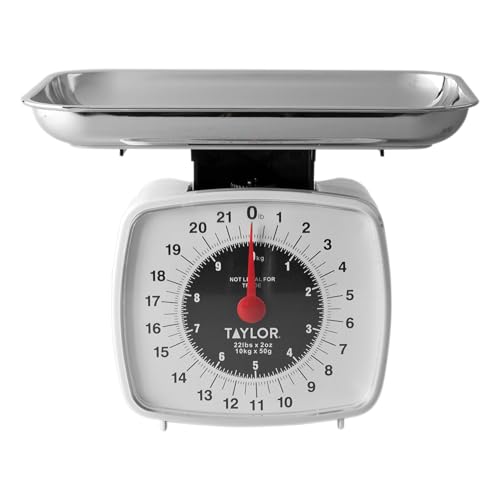
Finding reliable measurement tools without battery failures requires choosing robust analog hardware. For everyday home baking and precise portion control, we recommend the Taylor Mechanical Kitchen Food Scale with Bowl for its clear dual dial display and convenient tare bowl.
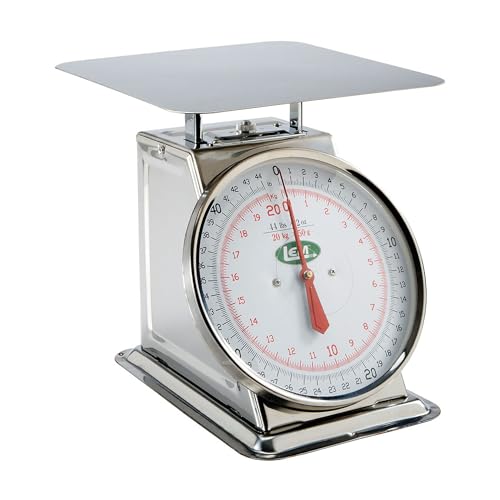
For high-volume processing or larger prep tasks, the Tada 44 LBS Stainless Steel Heavy Duty Mechanical provides an expansive steel platform and heavy weight capacity. You can explore more culinary workflow ideas in our how to guides as you organize your counter setup. We evaluated 5 Best Mechanical Kitchen Scales in October 2026 to simplify your selection.


Best Mechanical Kitchen Scales Buying Guide for 2026
Weight Capacity and Precision Increments
Mechanical scales rely on internal spring calibration to measure weight without external electric power. Choosing the right capacity determines whether your scale handles delicate pastry flour or heavy cuts of meat effectively.
Lower capacity scales typically measure up to eleven pounds in fine one-ounce increments. Higher capacity commercial units handle forty-four pounds but use broader four-ounce increments that may lack precision for small baking recipes.
Dial Size and Metric Visibility
An angled mechanical dial allows you to view measurements quickly without leaning directly over the platform. High-contrast markings and wide-open faces prevent container shadows from obscuring the weight readout during prep.
Dual-unit displays show both imperial ounces and metric grams simultaneously on the dial face. This dual marking eliminates manual unit conversions when following international recipes or detailed meal preparation plans.
Tare Mechanism and Zero Adjustment
Manual zero knobs allow you to recalibrate the dial indicator back to zero after placing a bowl on the platform. This tare adjustment enables accurate measurement of ingredients added sequentially into a single container.
Ensure the zeroing knob moves smoothly and holds its position under load without slipping. Reliable zero adjustment prevents cumulative weighing errors when building complex doughs or dividing large food portions.
Container and Platform Ergonomics
Scales featuring removable weighing bowls streamline the process of transferring wet or dry ingredients directly into mixing bowls. A bowl that flips over the base unit also compacts total storage height inside kitchen cabinets.
Flat stainless steel platforms accommodate wide trays and oversized boxes that would tip over standard bowls. If you manage detailed recipe documentation alongside your station equipment, setting up efficient workstation displays from our desktop and external monitors guide keeps recipes visible.
Material Quality and Steel Frame Construction
Stainless steel housings resist corrosion from food acids and protect internal mechanical springs during active kitchen use. Heavy-duty steel bases prevent sliding or tipping when weighing off-center loads.
Shatterproof lenses safeguard the dial face from accidental impacts and liquid splashes in busy cooking environments. Smooth metal surfaces allow quick sanitization between raw meat handling and dry ingredient measurements.
Spring Calibration and Longevity
Internal mechanical springs maintain consistent tension over years of continuous culinary operation. Quality spring mechanisms eliminate the downtime and ongoing expense associated with replacing dead batteries mid-recipe.
Choosing scales built with high-grade internal components ensures long-term calibration stability. Integrating robust tools into your home workflow mirrors the reliability principles found in our computer displays and displays section.
How We Evaluated
We evaluated each mechanical scale by analyzing verified manufacturer specifications, spring mechanism designs, and overall frame durability. Our comparison focused on weight capacity ranges, increment granularity, dial legibility, and tare control responsiveness.
We examined practical kitchen trade-offs between compact bowl scales and heavy-duty flat top commercial units. Our objective assessment highlights how container options, platform dimensions, and steel construction impact daily culinary productivity.
Common Mistakes to Avoid
Selecting a high-capacity scale for small baking projects often causes measurement inaccuracy. Broad four-ounce dial increments on commercial scales make measuring small amounts of yeast or leavening agents difficult.
Ignoring container weight before adding ingredients leads to inaccurate recipe ratios. Always utilize the manual zero knob to account for bowl weight before measuring dry or liquid components.
Overloading mechanical springs beyond their maximum rated weight capacity can permanently distort internal components. Exceeding capacity limits ruins calibration accuracy and requires mechanical spring replacement or scale replacement.
Buying Checklist
- Confirm whether your recipes require fine one-ounce increments or high-capacity bulk weighing.
- Check that the dial display includes clear markings for both imperial and metric units.
- Verify the presence of a smooth manual zero knob for quick tare adjustments.
- Determine if a removable dishwasher-safe bowl or a wide flat top platform suits your workflow.
- Ensure the housing uses rust-resistant stainless steel or durable coated steel construction.
- Inspect the dial face for a shatter-resistant protective lens over the display area.
- Verify that total scale dimensions fit comfortably within your available storage cabinets.
Final Thoughts
Choosing the ideal mechanical scale depends on your specific cooking volume and kitchen space constraints. For general baking and meal prep, the Taylor Mechanical Kitchen Food Scale with Bowl delivers exceptional versatility with its removable bowl and accurate dual dial.
If you require robust construction for bulk ingredients or commercial portioning, the Tada 44 LBS Stainless Steel Heavy Duty Mechanical offers heavy-duty steel stability. Budget-conscious bakers can rely on the Mechanical Kitchen Scale with Tray for simple portion control.
Integrating dependable, battery-free tools into your culinary routine ensures uninterrupted prep work. For more hardware insights and workflow recommendations, explore our best external equipment guide.
Frequently Asked Questions
Why choose Best Mechanical Kitchen Scales over digital models in 2026?
Mechanical kitchen scales offer complete independence from batteries and electrical outlets. Their heavy-duty spring mechanisms remain operational indefinitely, making them ideal for high-volume prep and emergency food planning.
How do you tare a mechanical kitchen scale?
You tare a mechanical scale by turning the manual zero adjustment knob on top or near the dial base. Rotating this knob resets the pointer needle back to zero after placing a container on the platform.
Are mechanical kitchen scales accurate enough for baking?
Mechanical scales with one-ounce or fine metric increments provide reliable precision for general baking and cooking. However, recipes requiring sub-gram precision for micro-ingredients may require specialized small-capacity tools.
How do you clean stainless steel mechanical scales?
Stainless steel housings can be wiped down with a warm damp cloth and mild dish soap. Removable weighing bowls and chrome trays are typically top-rack dishwasher safe for easy sanitization.
Can mechanical springs lose calibration over time?
Quality steel springs maintain calibration across years of normal kitchen use. Using the manual zero adjustment knob easily corrects minor indicator shifts caused by temperature changes or container weights.
What capacity is best among Best Mechanical Kitchen Scales for home use?
An eleven-pound capacity scale fits most home cooking and baking needs by offering fine increment readings. Scales with forty-four-pound capacities suit butchering, homesteading, or large batch catering tasks.
Where can I find step-by-step setup guides for home management?
You can browse our detailed tutorial collection by visiting our step-by-step guides page for workstation and equipment organization. This resources section helps you streamline every aspect of your home setup.