
Selecting the ideal desktop setup requires high weight capacity and robust tilt mechanisms to handle curved displays. When comparing 7 Best Monitor Stands for Curved Monitors in November 2026, the ULTRARM Heavy Duty Monitor Arm for Ultrawide stands out as our top recommendation due to its heavy-duty gas spring design.
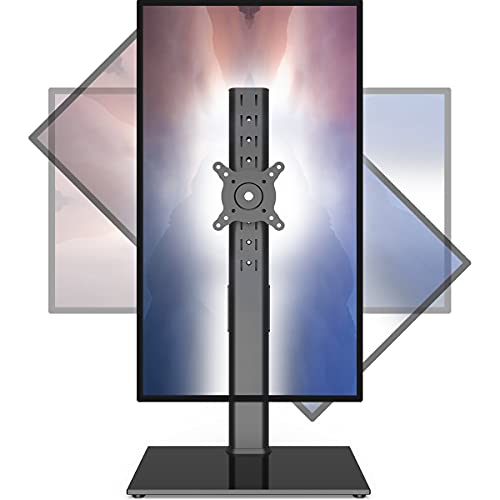
For users who want a simple setup without clamping to a desk, the Single Monitor Stand Freestanding 27-43 Inch provides reliable support with a weighted glass base. Choosing the right arm prevents screen sag and protects your investment, especially when paired with high-end displays from our gaming monitors guide. Check the full comparison below to find the best match for your workspace.


Best Monitor Stands for Curved Monitors Buying Guide
Weight Capacity and Center of Gravity Offset
Curved monitors place unique leverage stresses on mounting arms because their glass screen extends forward toward the user. Standard monitor mounts often fail because the offset center of gravity creates excess torque on the tilt head.
When reviewing options across the price range, always check both flat weight and curved weight specifications. A mount rated for 44 lbs flat might only support 31 lbs on an aggressive curved panel. Ensuring ample weight headroom prevents annoying downward tilt sag over extended work hours.
VESA Pattern Compatibility and Mounting Adapters
Most heavy duty desktop mounts support standard 75x75mm and 100x100mm VESA patterns directly out of the box. However, deep curved screens and ultrawide displays frequently require custom recessed mounting brackets to clear their rear housing.
If you use specialized displays listed in our guide for best external monitors, verify your monitor’s rear cavity dimensions. Certain extreme curves like the Samsung G9 require specific adapter brackets to secure the VESA plate safely. Selecting an arm with a quick-release mechanism makes mounting large heavy screens significantly easier.
Gas Spring vs Mechanical Tension Systems
Pneumatic gas spring arms provide fluid counterbalance control for instant height adjustments with minimal effort. Mechanical tension springs offer long-term durability and hold fixed positions reliably without internal pressure loss over time.
High-end gas springs engineered by brands like Hemudu, ULTRARM, ARES WING undergo rigorous cycle testing to ensure smooth motion across years of daily use. Adjusting the counter-tension screw properly matches the arm resistance to your exact monitor weight. This precise balancing act allows you to reorient your display effortlessly without using lock knobs.
C-Clamp, Grommet, and Freestanding Mount Options
Desk attachment stability determines how safely your heavy curved screen remains anchored during tilt adjustments. Heavy-duty C-clamps secure firmly around desk edges, while grommet mounts bolt directly through pre-drilled cable holes. Freestanding bases sit on top of the desk surface, requiring no installation hardware or desk modification.
Check your desktop material and thickness before choosing a clamping arm to prevent damaging fragile wood surfaces. For setups with glass tops, exploring our desktop external monitors category offers insights into freestanding mounts with wide weighted bases.
Ergonomic Adjustment Range and Cable Routing
Maintaining proper posture while using wide curved screens requires precise height alignment and tilt angles. A high quality monitor arm offers vertical elevation clearance to keep the top third of the screen at eye level.
Look for integrated cable management channels that run along the extension arms to keep power and video cords neatly hidden. Clean cable routing prevents cord snagging when pivoting between landscape viewing and task orientation. Proper cord slack also protects your graphics connections when adjusting monitor height or distance.
How We Evaluated
Our evaluation methodology relies on analyzing verified technical specifications, manufacturer weight tolerances, and physical mounting dimensions. We evaluated key structural metrics including VESA plate steel thickness, joint pivot movement, and desktop clamp surface areas across brands like Hemudu, ULTRARM, ARES WING.
We assessed dynamic tension systems by analyzing extended stress load specs and real user mounting experiences. This objective approach isolates true heavy-duty mounts capable of holding severe monitor curves without tilt slipping. Our goal is providing clear data so you can select a stand tailored to your specific screen weight and desk layout.
Common Mistakes to Avoid
The most frequent error buyers make is ignoring the reduced weight rating for curved screens versus flat screens. Because a curved screen projects forward, it exerts greater rotational force on the tilt joint than a flat display of identical weight.
Another mistake is failing to measure desktop edge clearance before purchasing a heavy-duty C-clamp mount. Beveled edges, desktop frames, or thin glass surfaces can prevent clamp jaws from securing tightly, creating an unsafe mounting scenario.
Many users also forget to check rear VESA recess depth before installing their mounting plate onto curved monitors. Screws that are too long can puncture internal electronics, while screws that are too short may strip out under heavy strain. Check your hardware packet for correct spacer washers before tightening any mount screws.
Buying Checklist
- Verify your curved monitor total weight excluding the original factory stand.
- Confirm whether your screen has an 1800R, 1500R, or 1000R curvature radius.
- Check rear VESA hole pattern size, confirming 75x75mm or 100x100mm compatibility.
- Inspect whether your monitor requires a proprietary VESA adapter bracket.
- Measure your desk thickness to ensure C-clamp or grommet compatibility.
- Confirm desk clearance behind your setup for arm extension and swivel.
- Ensure power and display cables have sufficient length to trace along cable channels.
Final Thoughts
Upgrading your desk ergonomics with one of the Best Monitor Stands for Curved Monitors transforms both comfort and desktop space efficiency. For power users with massive ultrawide screens, we recommend the ULTRARM Heavy Duty Monitor Arm for Ultrawide for its unmatched pneumatic strength and rock-solid build quality. It lifts heavy screens effortlessly while maintaining smooth motion flexibility.
If you prefer a reliable freestanding setup without desk clamping, the Single Monitor Stand Freestanding 27-43 Inch offers excellent stability at an approachable cost. For dual screen enthusiast setups, the Dual Monitor Arm Desk Mount for 17-49 Inch delivers impressive structural support for two heavy ultrawide panels simultaneously. Exploring options in our best external computer monitors resource will help complete your ideal workstation setup.
Frequently Asked Questions
Why do curved screens require heavier monitor arms?
Curved screens shift the center of gravity forward away from the mounting plate. This creates increased leverage on the head joint, requiring a mount with stronger tilt tension than standard flat screens.
Can I mount a Samsung G9 monitor on a standard VESA arm?
Standard arms often struggle with extreme 1000R curves like the G9. You need a heavy duty arm designed specifically for ultrawide panels, combined with Samsung’s included VESA adapter bracket to secure the plate.
What is the top choice for Best Monitor Stands for Curved Monitors in 2026?
The top choice in 2026 is the ULTRARM Heavy Duty Monitor Arm for Ultrawide. It combines robust pneumatic gas spring action with a high weight capacity engineered specifically for ultrawide displays.
Are freestanding stands stable enough for large curved screens?
Yes, heavy duty freestanding stands use wide, weighted bases made of tempered glass or solid steel. They distribute weight effectively across the desktop without requiring clamps or drill holes.
How do I stop my curved monitor arm from drooping forward?
Drooping occurs when the tilt tension bolt is not tightened sufficiently for the screen’s forward center of gravity. Use the included hex wrench to tighten the tilt mechanism bolt located directly behind the VESA plate.
Will a monitor arm damage my desk surface?
Properly installed C-clamps and grommet mounts feature protective rubber padding to prevent desk scratches. For delicate glass or hollow-core desks, using a metal reinforcement plate distributes force safely across a wider surface area.
How does mounting an ultrawide screen impact overall workplace ergonomics?
Elevating your screen to eye level aligns your posture and reduces chronic neck strain during long working hours. You can read more about ergonomic desk setups in our guide to best hi res monitors for comfortable long-term viewing.









