Finding the Best Printers for Digital Art requires matching your output medium with an ink delivery system capable of wide color reproduction. For master-grade fine art prints up to 17 inches wide, the Canon imagePROGRAF PRO-1100 delivers exceptional color accuracy and archival permanence using an 11-color pigment system.
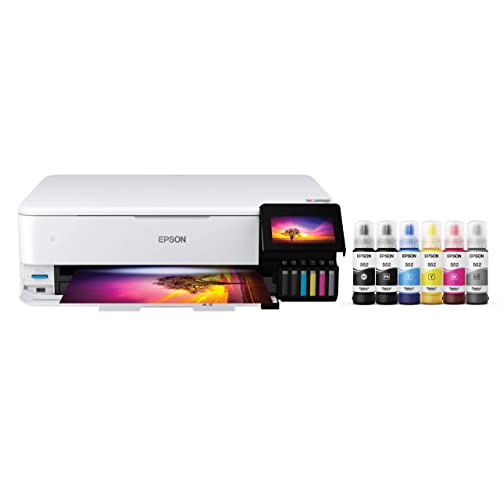
If you need lower per-print costs for high-volume studio production, the Epson EcoTank Photo ET-8550 Wireless Wide-Format provides brilliant 6-color output with refillable ink tanks. When evaluating digital art workflows, pairing your printer with calibrated display monitors from our high resolution monitor recommendations ensures your screen colors match your final paper prints.



Best Printers for Digital Art Buying Guide
Ink Chemistry: Pigment vs. Dye Formulations
Digital art reproduction relies heavily on the underlying ink chemistry used by your printing engine. Dye-based inks offer vibrant, saturated colors on glossy surfaces, making them ideal for budget-friendly art prints and quick proofing. However, dye inks are susceptible to fading over time when exposed to ultraviolet light and atmospheric humidity.
Pigment-based inks utilize microscopic color particles suspended in liquid, providing superior archival stability that resists fading for decades. Fine art galleries and print collectors generally require pigment prints on archival cotton rag papers. Choosing pigment printing ensures your physical artwork maintains its color fidelity when sold to clients.
Color Gamut and Dedicated Ink Channels
Standard office printers use basic four-color CMYK ink setups that struggle to reproduce complex color transitions in digital illustrations. Specialty art printers expand this palette by adding photo cyan, photo magenta, red, gray, or chroma optimization channels. These extra channels smooth out delicate skin tones, dramatic gradients, and subtle shadows across your prints.
Dedicated gray and black inks are particularly crucial for artists producing monochrome digital drawings or high-contrast graphics. Without dedicated gray inks, printers must mix colored inks to create neutral tones, which often introduces unpleasant color casts. Artists using detailed digital software should review our high resolution display guides to ensure accurate color editing before sending files to print.
Paper Handling, Feeder Mechanics, and Weight Capacity
Heavyweight fine art papers, such as velvet rag or textured watercolor sheets, exceed the thickness limits of standard front-loading paper trays. A dedicated art printer must feature a rear manual feed slot or a straight-through paper path to accommodate rigid media. Attempting to feed thick stock through tight rollers can cause paper jams and head strikes.
Advanced feeding mechanisms, such as air-feeding systems or active skew correction, prevent paper from shifting during long print runs. Precise paper alignment ensures crisp border alignment and prevents micro-banding across wide artwork. Checking maximum paper thickness specifications protects both your paper stock and the internal printhead assembly.
| Ink Type | Archival Rating | Ideal Media Types | Best Use Case |
|---|---|---|---|
| Dye Inks | 10-25 Years | Glossy, Luster, Photo Paper | Affordable Prints & Proofs |
| Pigment Inks | 100+ Years | Cotton Rag, Canvas, Matte Fine Art | Gallery Sales & Exhibitions |
Maximum Print Size and Borderless Output
Desktop printers traditionally cap out at standard letter size, restricting your ability to produce large wall art or gallery pieces. Wide-format desktop units accommodate paper sizes up to 13×19 inches or 17×22 inches, opening up higher-margin print sales. Larger formats allow illustrators to offer limited-edition art prints in standard framing sizes.
Borderless printing capability is equally essential for artists who want full-bleed prints without manual trimming. Margins can disrupt your composition and add tedious labor when prepping large batches of artwork for shipping. Ensure your chosen model supports full borderless printing across all your preferred paper dimensions.
Workflow Integration and Color Calibration Support
Achieving predictable print results requires seamless software integration between your digital design software and the printer driver. Dedicated print management software simplifies layout arrangements, gallery wrap creation, and color profile assignment. Using custom ICC profiles tailored to specific paper types guarantees that printed colors mirror your digital canvas.
Network connectivity options such as Wi-Fi Direct and Ethernet enable flexible studio configurations without cluttering your workspace. For broader studio setup tips and hardware integration, visit our how-to guides collection to optimize your digital workstation. Robust workflow software eliminates trial-and-error printing, saving valuable ink and expensive paper media.
How We Evaluated
We evaluated the Best Printers for Digital Art by analyzing verifiable technical specifications, ink droplet precision, color gamut depth, and media compatibility data. Our analysis focused on key artist requirements, including color accuracy, archival permanence, maximum paper thickness support, and overall running efficiency.
We compared manufacturer driver support, ICC profile availability, and media feeding systems across top wide-format platforms. By prioritizing objective performance metrics and structural design features, we identified reliable printing solutions tailored to illustrative, photographic, and fine art workflows.
Common Mistakes to Avoid
A common mistake artists make is using standard dye-based printers for fine art pieces intended for long-term client sales. Standard dye prints fade rapidly when displayed under normal indoor light conditions, damaging your reputation with collectors. Investing in pigment ink technology ensures your physical prints retain their original richness for decades.
Another frequent error is forcing thick watercolor or rag paper through standard internal paper cassettes. Front trays curve paper sharply around internal rollers, leading to media jams and printhead scratches. Always utilize the designated rear manual feed slot or straight paper path when printing on heavy cardstock.
Neglecting regular printhead maintenance and nozzle checks can also ruin expensive fine art media. Inkjet nozzles can dry out if left idle for extended periods, causing missing color bands across your artwork. Performing routine nozzle checks and keeping your printer powered on minimizes ink clogging and prevents wasted paper.
Buying Checklist
- Confirm the printer supports your required maximum print dimensions, such as 13×19 or 17×22 inches.
- Verify whether the ink formulation is pigment-based for archival permanence or dye-based for glossy vibrancy.
- Check that the rear manual feeder accepts paper weights up to 300 gsm or thicker fine art rag stock.
- Ensure dedicated ICC color profiles are available for your preferred paper manufacturers and finishes.
- Look for specialized ink channels like gray, red, or chroma optimizer to enhance color transitions.
- Check connectivity options including Wi-Fi, Ethernet, and USB to fit your studio desktop setup.
- Verify full-bleed borderless printing support across all standard art print paper dimensions.
- Factor in replacement ink cartridge volumes and per-milliliter costs to calculate ongoing studio expenses.
Final Thoughts
Selecting the right printing solution depends on your budget, production volume, and target display environment. For master illustrators demanding ultimate color fidelity and gallery permanence, we recommend the Canon imagePROGRAF PRO-1100. Its 11-color pigment system and advanced air-feeding mechanics deliver uncompromising print quality.
If your studio produces high volumes of art prints and promotional graphics, the Epson EcoTank Photo ET-8550 Wireless Wide-Format offers exceptional cost savings through its refillable tank system. Artists seeking a compact 13×19 entry point will find high value in the Epson Expression Photo HD XP-15000.
Combining an advanced fine art printer with calibrated workstation screens ensures precise visual translation from digital canvas to physical media. Explore our detailed computer display guide to build an end-to-end creative workflow that delivers predictable, professional results.
FAQs
What type of ink is best for printing digital art?
Pigment-based ink is the gold standard for printing digital art because it offers long-lasting archival stability and lightfastness. While dye-based inks deliver vibrant colors on glossy paper, pigment inks resist water damage and UV fading, making them essential for gallery sales.
Can I print fine art on a standard office inkjet printer?
Standard office inkjet printers lack the color gamut, extra ink channels, and specialized paper paths required for fine art media. Office printers typically use four basic CMYK dye inks that cannot match the subtle gradients and media weight requirements of professional art papers.
What is the ideal print resolution among Best Printers for Digital Art in 2026?
A resolution of 4800 x 1200 dpi or 5760 x 1440 dpi is ideal for reproducing fine digital details and smooth line work. When reviewing options among Best Printers for Digital Art in 2026, look for fine droplet sizes to prevent visible dot patterns on textured paper.
Do I need a wide-format printer for digital illustrations?
Wide-format printers capable of 13×19 inch or 17×22 inch prints give artists greater flexibility when selling original-size prints. While smaller letter-size printers handle initial proofs, wide-format capability allows you to produce standard framing sizes without cropping your digital composition.
How thick can paper be when printing digital artwork?
Professional art printers with dedicated manual rear slots can handle heavy media up to 300 gsm or 1.5 mm thickness. Always check your printer driver specifications before loading cotton rag, velvet fine art paper, or canvas sheets to avoid head collisions.
What are ICC profiles and why are they important for digital art?
ICC profiles are digital data files that translate color values between your image editing software, screen monitor, and paper printer. Using specific paper profiles ensures that screen colors match your final print while maintaining accuracy across different paper textures. To better understand screen color accuracy, read our article on panel display technology.
How often should I run printhead maintenance on an art printer?
You should run a quick nozzle check every week or two, especially if the printer has remained idle for several days. Regular maintenance prevents dried ink clogging within the microscopic printhead nozzles, ensuring smooth color layers on expensive fine art stock.
Are tank-based printers good for professional art prints?
Modern photo-oriented tank printers offer excellent color accuracy using specialized 6-color ink sets while drastically reducing per-print costs. While high-end pigment printers remain superior for gallery exhibition prints, eco-tank models are ideal for art market merchandise, postcards, and high-volume student prints.