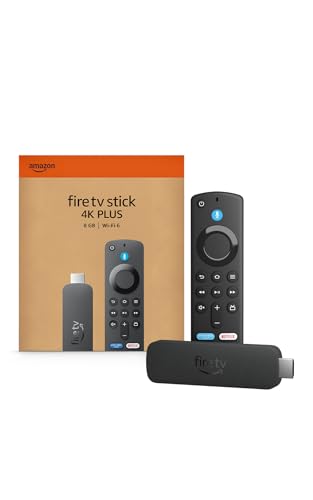

Finding the right streaming hardware transforms how you watch movies and live shows at home. If you want top speed and high bandwidth, the Amazon Fire TV Stick 4K Max (newest model) leads our list of 9 models for November 2026 with fast Wi-Fi 6E support and fluid app navigation. It pairs exceptionally well with modern television sets and large screen monitors.
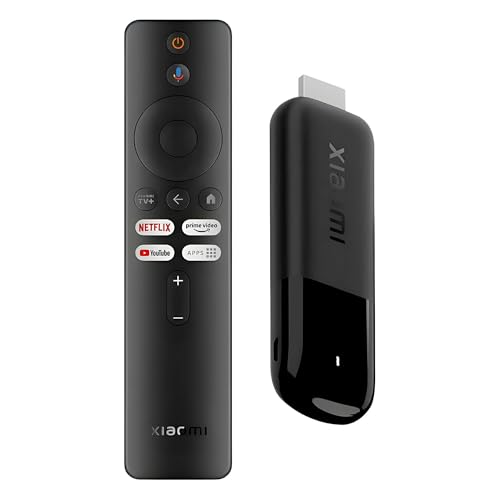
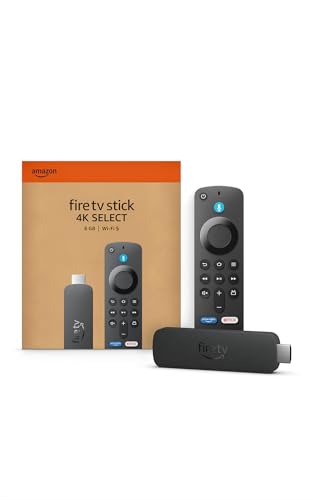
For budget conscious viewers, the Amazon Fire TV Stick HD (newest model) delivers responsive HD playback and direct TV power without requiring a bulky wall adapter. Meanwhile, options from brands like Roku, Amazon, XIAOMI give users flexible interface choices across a wide range of prices spanning.



Best Streaming Sticks for Cord Cutting Buying Guide for 2026
Wireless Performance and Network Stability
Wireless stability dictates whether your 4K stream loads instantly or buffers repeatedly during peak evening hours. Modern streaming hardware incorporates Wi-Fi 6 or Wi-Fi 6E protocols to handle heavy network traffic efficiently. Choosing a receiver with updated wireless technology ensures smooth video playback even when multiple laptops and phones share the same router.
Range becomes a critical factor if your television sits far from your central home router or in a basement. Devices equipped with dedicated long-range receivers maintain strong signals through interior walls. Paired with high bandwidth home connections and quality monitors, reliable wireless hardware prevents frustrating drops in playback quality.
Resolution Standards and Dynamic Range
High Definition streaming is standard, but 4K Ultra HD resolution delivers four times the pixel detail of regular 1080p content. To enjoy true high-dynamic-range visuals, look for broad format support including HDR10+ and Dolby Vision. These formats dynamically tune brightness and contrast scene by scene for cinema-like clarity.
Opting for a player that lacks dynamic HDR protocols means missing out on vivid colors in dark cinematic scenes. Make sure your television matches the output format of your media stick to maximize visual impact. Matching 4K capability across both display and media device yields crisp text and lifelike color depth.
Platform Ecosystem and Interface Design
The software interface shapes how quickly you locate live television feeds, movies, and subscription apps. Platforms like Fire TV and Google TV curate personalized suggestions based on your viewing history and active subscriptions. Meanwhile, Roku offers a simple, grid-based menu layout that prioritizes direct access over sponsored content.
Navigation speed depends heavily on processor architecture and operating memory inside the media stick. A robust quad-core processor ensures swift app launches and fluid scrolling without input lag. Selecting a platform with an intuitive layout cuts down time spent browsing endless category menus.
Audio Format Compatibility and Passthrough
Immersive sound is essential for creating a home theater experience without multi-box audio setups. Leading media hardware supports Dolby Atmos and DTS surround decoding, passing object-based spatial audio straight to compatible soundbars. High quality audio passthrough retains crisp dialogue and heavy bass dynamics.
Cheaper media players may downmix multi-channel soundtracks into basic stereo sound output. If you own an external audio receiver or advanced soundbar, confirm that your streaming player handles surround passthrough natively. Proper audio matching brings immersive soundscapes directly into your living room.
Internal Memory and Power Connectivity
App storage determines how many channels, streaming platforms, and light games you can install simultaneously. Base models typically include 8GB of internal storage, while advanced models offer 16GB for expanded app libraries. Ample onboard memory ensures system updates install smoothly without requiring app deletion.
Power delivery method also impacts installation neatness behind your television frame. Modern sticks powered via direct USB connections draw power directly from the TV port, eliminating wall outlet cables. Standard units may require dedicated power bricks to ensure stable performance under heavy processing loads.
How We Evaluated
We analyzed hardware specifications, wireless connectivity protocols, video decoding capabilities, and remote functionality across top media streaming devices. Our evaluation compared key features like Wi-Fi 6 support, storage capacity, dynamic range compatibility, and user interface responsiveness.
We emphasized objective data points such as processor speeds, audio passthrough standards, and power consumption profiles. By evaluating how each device performs under standard home networking conditions, we identified reliable choices for every cord-cutting scenario.
Common Mistakes to Avoid
Buying a 4K streaming device for a standard 1080p television without checking future setup plans wastes money on unused bandwidth. Conversely, choosing an entry-level HD stick for a massive 4K television degrades picture clarity significantly. Match device output resolution directly to your screen specs.
Neglecting wireless network placement leads to buffering issues, especially when placing sticks behind wall-mounted TVs. Compact sticks tucked deep behind metallic television frames can suffer signal degradation without an HDMI extender. Ensure your wireless setup has adequate line-of-sight signal paths.
Overlooking internal storage capacity causes system slowdowns over time as app caches fill up. Selecting a device with at least 8GB or 16GB of onboard storage prevents constant app management. Checking storage specs beforehand guarantees seamless app updates.
Buying Checklist
- Confirm your television port is HDMI 2.0 or higher for 4K streaming.
- Check whether your home router supports Wi-Fi 6 or dual-band wireless connections.
- Verify dynamic range support for Dolby Vision or HDR10+ based on your TV specs.
- Ensure the device supports Dolby Atmos audio passthrough for soundbar compatibility.
- Determine if direct USB power from your TV is supported or if a wall outlet is required.
- Select an operating system platform that fits your existing app subscriptions.
- Check internal storage capacity to accommodate future app downloads and updates.
Final Thoughts
Upgrading your home entertainment setup with dedicated streaming hardware makes cutting cable simple and enjoyable. For power users seeking lightning fast navigation and cloud gaming features, we strongly recommend the Amazon Fire TV Stick 4K Max (newest model). It delivers unmatched performance, cutting-edge Wi-Fi 6E connectivity, and generous storage capacity.
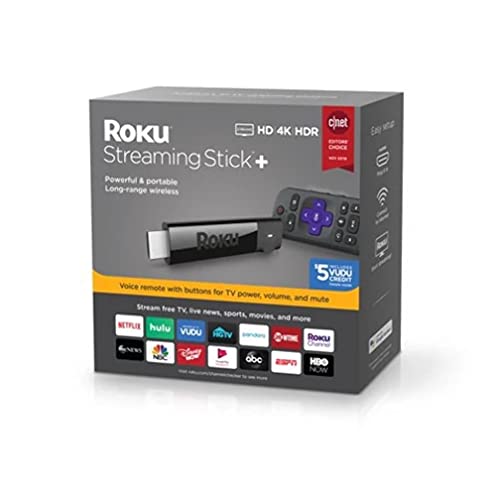
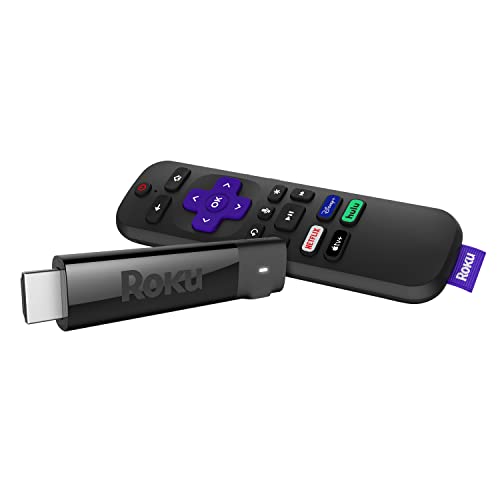
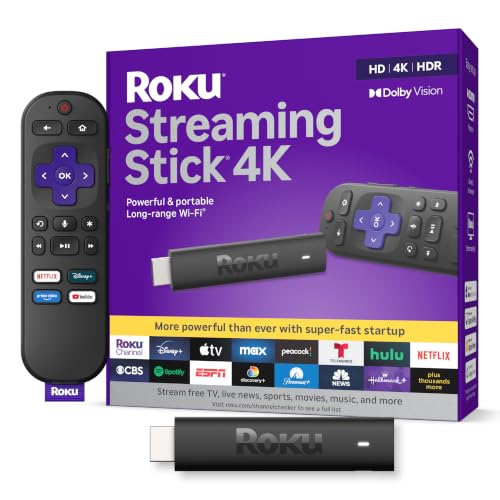
If you prefer a streamlined interface and long-range wireless connectivity, the Roku Streaming Stick 4K with Voice Remote offers excellent value and simple navigation. Viewers who want an affordable HD upgrade should consider the Amazon Fire TV Stick HD (newest model) for compact direct-power convenience. Upgrading your visual source enhances your entertainment experience on premium displays and quality computer monitors alike.
Frequently Asked Questions
What are the Best Streaming Sticks for Cord Cutting in 2026?
Top choices in 2026 include high performance 4K models with Wi-Fi 6 support and broad HDR format compatibility. Options like Fire TV, Roku, and Google TV hardware lead the market in reliability and app selection.
Do streaming sticks require a monthly subscription fee?
The streaming hardware itself requires no ongoing subscription fee after initial purchase. However, accessing paid streaming apps like Netflix, Disney+, or live TV services requires separate individual subscriptions.
Will a 4K streaming stick work on a regular HD television?
Yes, 4K streaming sticks are backward compatible with standard Full HD televisions via HDMI ports. The device automatically downscales video output resolution to match your screen capability.
How does Wi-Fi 6 support benefit streaming hardware?
Wi-Fi 6 increases wireless network bandwidth and reduces latency when multiple devices connect simultaneously. This technology ensures smooth 4K video playback even during heavy home network usage.
Can I control my television volume with a streaming stick remote?
Most modern voice remotes include integrated infrared or CEC controls for power and volume management. This allows you to control TV power, audio levels, and media browsing using a single remote control.
What is the difference between Google TV and Fire TV interfaces?
Google TV prioritizes personalized content recommendations across all installed apps on a single home screen. Fire TV integrates deeply with Amazon services and Alexa voice search while displaying dedicated content channels.
Can I plug a streaming stick directly into computer displays?
Yes, you can connect streaming hardware directly into HDMI ports on desktop screens and OLED display setups. Ensure the monitor features built-in speakers or audio output jacks for sound.









