

Selecting the ideal display transforms both daily productivity and competitive gaming experiences across your desk setup. The KTC 27 Inch Gaming Monitor 220Hz stands out as our top overall choice for users who demand high motion smoothness and sharp image quality. If you want to compare wider display options, feel free to check out our guide on best high resolution monitors for comfort and value.
For budget-conscious buyers seeking an immersive curved experience, the KTC 32 Inch Curved Gaming Monitor delivers incredible performance without breaking the bank. We analyzed 5 models for November 2026 within the range to help you choose the best fit.


Best UHD Monitors Buying Guide for 2026
Panel Resolution and Pixel Density
Display resolution dictates the overall clarity and desktop surface area available for your daily tasks and media. Moving from standard 1080p up to 1440p or 4K brings noticeably sharper text and finer detail in graphical rendering. You can explore more visual options in our detailed guide on best hi res monitors for productivity and comfort.
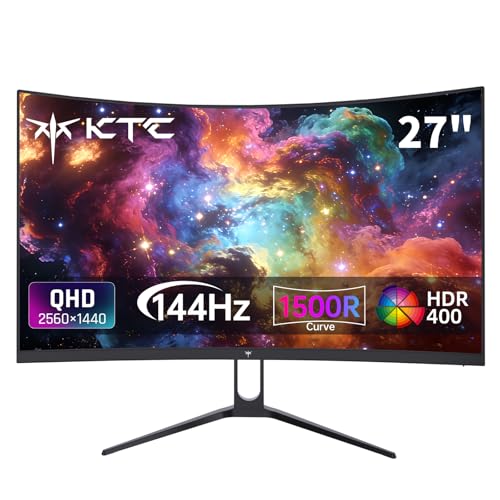
Pixel density measured in pixels per inch determines how crisp text looks at normal viewing distances. A 27-inch panel running at 2560×1440 resolution provides a sweet spot of density without requiring heavy display scaling. Larger 32-inch screens offer massive physical area, though resolution choices determine whether pixels remain invisible up close.
Refresh Rates and Frame Synchronization
Refresh rate measures how many times per second the display updates its image, directly impacting motion fluidity. Modern displays reaching 144Hz, 200Hz, or 240Hz eliminate motion blur during rapid scene transitions. Higher refresh rates give competitive players a tangible timing advantage in fast-paced title environments.
Adaptive synchronization technologies match your screen refresh rate to the exact frame output of your graphics card. This synchronization prevents screen tearing and reduces stuttering without introducing significant input lag into your system. Ensuring your panel supports AMD FreeSync or NVIDIA G-Sync compatibility is vital for smooth gaming performance.
Panel Technology Options
Selecting between Fast IPS and Vertical Alignment panels changes contrast levels, viewing angles, and color accuracy. Fast IPS panels deliver rapid pixel response times alongside wide viewing angles and consistent color representation. This makes them outstanding choices for mixed work tasks and fast competitive gaming setups.
Curved HVA panels excel at producing deep black levels and high static contrast ratios for immersive dark room viewing. While viewing angles are narrower than IPS screens, the contrast depth enhances cinematic content significantly. Choosing the right panel type depends on whether color precision or contrast depth matters more.
Screen Curvature and Ergonomics
Screen curvature wrapped at 1500R matches the natural field of human vision to reduce peripheral eye fatigue. On larger screens like 32-inch models, curvature brings screen edges closer so you can see details easily. If you want to optimize your workplace comfort, check out our guide on best external computer monitors for comfort at work.
Ergonomic stands that provide height adjustment, tilt, and pivot controls prevent neck strain during long computer sessions. Having full height adjustment allows you to align the top third of the screen directly with your eye level. VESA wall mounting compatibility offers additional flexibility if you prefer mounting your screen on an arm.
Color Gamut and HDR Support
Color gamut coverage determines the range of colors a screen can reproduce for video editing and gaming visuals. Panels with over 120% sRGB color spectrum coverage deliver saturated, vibrant colors across all application types. High color volume ensures that gradients look smooth without noticeable color banding across shadows.
High Dynamic Range compliance boosts peak brightness levels while revealing hidden details in deep dark regions. Displays featuring HDR400 certification provide bright highlights that make explosions and light sources pop on screen. Proper HDR integration enhances visual depth without washing out secondary color elements in bright environments.
How We Evaluated
We evaluated current market offerings by reviewing technical specifications, manufacturer data sheets, and verified user performance feedback. Our evaluation prioritized panel responsiveness, color space coverage, ergonomic adjustment range, and input connectivity options across models. We focused on identifying monitors that offer exceptional balance between image sharpness and smooth motion.
Our analytical approach compares real-world usability metrics against stated performance specifications across multiple price tiers. We carefully analyzed how each screen performs during competitive gaming, general office work, and high-definition video playback. This structured comparative process ensures clear recommendations based on objective feature sets and practical functionality.
Common Mistakes to Avoid
One common mistake is prioritizing ultra-high refresh rates while ignoring native panel resolution and visual clarity. Choosing a lower resolution on a massive display screen can lead to pixelated text and reduced workspace efficiency. Match your resolution selection to your primary daily tasks before committing to extreme refresh rates.
Another error is neglecting display port versions and bandwidth requirements needed to achieve maximum panel capabilities. Using legacy cables can restrict your screen refresh rate below what the monitor actually supports. Always verify that your graphic card outputs match the input specifications listed on the display.
Buyers frequently overlook stand adjustability features, leading to poor ergonomic positioning on desktop surfaces. A fixed stand without height adjustment can cause posture discomfort during extended working or gaming sessions. Selecting a panel with full ergonomic adjustment or VESA mount support prevents long-term physical strain.
Buying Checklist
- Confirm the native resolution matches your preferred desktop scaling and clarity goals.
- Verify that your graphics card supports the required DisplayPort or HDMI revision.
- Check if the screen height and tilt adjustments fit your physical desk setup.
- Ensure the display includes built-in speakers if you do not use external audio.
- Review VESA 100x100mm mounting options if planning to use a monitor arm.
- Confirm adaptive synchronization support matches your specific GPU hardware family.
- Verify response time ratings to minimize ghosting during fast visual motion.
Final Thoughts
Selecting the ideal monitor involves balancing panel resolution, refresh rates, and screen ergonomics for your daily needs. The KTC 27 Inch Gaming Monitor 220Hz serves as our top recommendation, offering outstanding 1440p clarity and fluid motion. For additional setup inspiration, explore our guide on best external monitors.
If you prefer an immersive curved display at a budget-friendly price, the KTC 32 Inch Curved Gaming Monitor offers great value. Meanwhile, gamers seeking peak competitive speed will benefit from the high refresh rates of the KTC 32 inch 240Hz Curved Gaming Monitor.
Whichever model you choose, investing in a high-quality screen enhances productivity and entertainment quality alike. Review your physical desk space and connectivity requirements before ordering to ensure a seamless upgrade experience.
Frequently Asked Questions
What features define the Best UHD Monitors in 2026?
Modern high-resolution monitors combine high pixel density with fast refresh rates, wide color gamut coverage, and adaptive sync features. These monitors deliver crisp visual details for work alongside smooth motion rendering for gaming environments.
Is a 1440p resolution better than 1080p for a 27-inch monitor?
Yes, 1440p resolution on a 27-inch screen provides higher pixel density, resulting in sharper text and clearer details. It offers more usable desktop screen space without needing heavy display scaling.
Why is refresh rate important when picking Best UHD Monitors?
Refresh rate determines how smoothly motion appears on screen during fast-paced video playback or gaming sessions. Higher rates like 144Hz or 220Hz reduce motion blur and input lag significantly compared to 60Hz.
What is the benefit of a 1500R curved monitor display?
A 1500R curvature matches the natural curve of the human eye, creating an immersive viewing experience. It reduces eye strain by keeping the screen edges at an equal viewing distance from your eyes.
Do gaming monitors require dedicated speakers built into the panel?
Built-in speakers provide convenient audio output for daily desktop tasks without cluttering your workspace with extra cables. However, dedicated headphones or external desktop speakers still offer higher audio fidelity for immersive gaming.
How does adaptive synchronization improve visual performance on displays?
Adaptive sync aligns the monitor refresh rate with your graphics card frame output in real time. This process eliminates screen tearing and minimizes stuttering for smoother visual rendering during gameplay. You can learn more in our article on best HD computer monitors.
Should I use DisplayPort or HDMI to connect my monitor?
DisplayPort generally offers higher bandwidth required for maximum refresh rates at native resolutions on modern gaming panels. Check your display specifications to see which cable standard supports your preferred resolution and refresh rate combo.









