

If you want smooth motion and high contrast without breaking your budget, the SANSUI 34-Inch Curved Gaming Monitor UWQHD 3440 x is our top pick. It combines a fast 200Hz refresh rate with a curved VA panel that keeps everyday multitasking and immersive gaming effortless on a single desktop screen.
For readers prioritizing screen real estate and multi-device productivity, the INNOCN 40C1R Ultrawide Monitor 40″ WQHD 3440 x offers an expansive 40-inch display panel. We evaluated 3 models for November 2026 to narrow down the top options, and you can also check our guide on best external computer monitors for comfort at work.

Best Ultrawide Monitors Under $500 Buying Guide
Screen Curvature and Ergonomics
Curved panels reduce eye strain by keeping the outer edges of an ultrawide screen at an equal distance from your eyes. A 1500R curvature creates an engaging visual environment for gaming and spreadsheet work without causing image distortion.
Flat ultrawide displays remain ideal for graphic design where straight lines must stay perfectly grid-aligned. When shopping, ensure the included stand offers height, tilt, and swivel adjustments to maintain a comfortable posture during long sessions.
Refresh Rate and Motion Clarity
A higher refresh rate like 144Hz or 200Hz provides fluid visual movement that makes fast-paced action smoother and desktop scrolling feel responsive. Gamers will appreciate short response times that eliminate distracting motion blur during competitive matches.
If your daily routine centers around office work, a standard 100Hz refresh rate provides plenty of clarity while keeping costs low. You can read more about motion performance in our breakdown of gaming monitors for fast response setups.
Panel Technology and Color Performance
VA panels excel at producing deep blacks and high contrast ratios, which makes dark scenes in movies and games appear rich and detailed. IPS and ADS panels deliver broader viewing angles and consistent color accuracy across the entire surface of the screen.
Choosing between panel types depends heavily on your primary daily tasks and workspace lighting. For deeper insights into subpixel structures and contrast behavior, explore our overview of IPS, OLED and LED panels.
Resolution and Pixel Density
A resolution of 3440 x 1440 pixels provides sharp visual details across a 21:9 aspect ratio, giving you room to open three windows side by side. Higher pixel density prevents fuzzy text rendering, allowing comfortable reading without scaling up font sizes.
Scaling down to lower resolutions on a wide display often results in visible pixels and soft images. Sticking to WQHD resolution ensures your desktop space remains spacious and crisp for spreadsheet analysis or creative editing.
Connectivity and Power Delivery
Modern ultrawide displays often include DisplayPort, HDMI, and multi-functional USB Type-C ports to handle video signals and device charging simultaneously. Single-cable USB-C connectivity with 65W power delivery keeps laptop setups neat and free of extra power bricks.
Integrated Picture-by-Picture modes allow users to display content from two separate computers on the same physical panel. Ensure your graphics hardware has compatible output ports before finalizing your monitor selection.
| Feature | SANSUI 34-Inch | LG 34-inch | INNOCN 40-inch |
|---|---|---|---|
| Screen Size | 34 Inches | 34 Inches | 40 Inches |
| Refresh Rate | 200Hz | 100Hz | 144Hz |
| Panel Type | Fast VA | VA | ADS IPS |
| Curvature | 1500R Curved | Curved | Flat |
How We Evaluated
We analyzed technical specifications, manufacturer data, and verified user experiences to rank each monitor objectively. Our team focused on color coverage metrics, panel response times, port selection, and stand adjustability across affordable price points.
By evaluating how each display handles split-screen workflows and gaming demands, we selected options that deliver long-term usability. We prioritized balanced features to ensure buyers receive maximum performance for their budget.
Common Mistakes to Avoid
Buying an ultrawide monitor without measuring your desk space often leads to setup frustration. A 40-inch ultrawide display requires a deep, sturdy desk surface and adequate side clearance to fit comfortably without cluttering your workspace.
Overlooking GPU compatibility is another frequent error among budget buyers. Pushing a 3440 x 1440 resolution at high refresh rates demands a capable graphics card, especially when running modern games or demanding 3D rendering applications.
Ignoring built-in ergonomic adjustments can lead to neck strain over extended working hours. Fixed-height stands often require secondary monitor arms or risers, so verify vertical adjustment range before making a final purchase.
Buying Checklist
- Measure your desk width and depth to confirm the physical screen footprint fits.
- Verify that your computer graphics card supports 3440 x 1440 WQHD output.
- Check for USB Type-C support if you want single-cable laptop charging and display connection.
- Confirm the refresh rate matches your target gaming or office productivity requirements.
- Ensure the monitor stand supports height, tilt, and VESA mounting options.
- Review the color gamut coverage if you plan to perform photo or video editing tasks.
- Check whether built-in speakers or headphone jacks fit your current desktop audio setup.
Final Thoughts
Selecting the ideal ultrawide display comes down to balancing refresh speed, screen size, and workspace connectivity. For competitive gamers who want ultra-fast motion, the SANSUI 34-Inch Curved Gaming Monitor UWQHD 3440 x offers top performance with its 200Hz refresh rate.
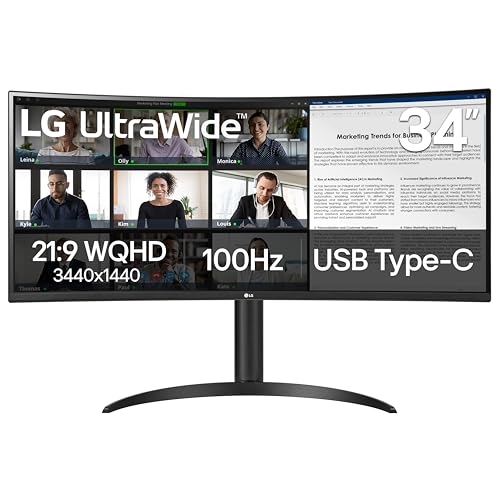
If you manage complex spreadsheets or stream content while working, the LG 34WR55QK-B 34-inch UltraWide WQHD (3440 x 1440) delivers convenient USB-C charging and easy window splitting. Meanwhile, creators looking for maximum screen area will appreciate the INNOCN 40C1R Ultrawide Monitor 40″ WQHD 3440 x for its expansive workspace. You can learn more about high-definition displays in our guide to best hi res monitors for productivity and comfort.
Frequently Asked Questions
Are Best Ultrawide Monitors Under $500 good for split-screen work?
Yes, ultrawide monitors with a 21:9 aspect ratio offer approximately 33 percent more horizontal space than standard 16:9 displays. This extra width allows you to view two or three full application windows side by side without needing a dual-monitor setup.
What refresh rate should I expect from Best Ultrawide Monitors Under $500 in 2026?
In 2026, budget ultrawide displays range from 100Hz up to 200Hz refresh rates. Office-focused displays generally start at 100Hz, while gaming-centric models reach 144Hz or 200Hz for ultra-smooth motion.
Is a curved screen necessary on a 34-inch ultrawide monitor?
A gentle curve improves viewing comfort on 34-inch displays by keeping the outer screen corners equal distance from your eyes. However, flat displays are still popular for color critical tasks where straight lines must remain unbent.
Can I charge my laptop through an ultrawide monitor USB-C port?
Many modern ultrawide monitors feature USB Type-C ports capable of delivering power output between 65W and 90W. This feature allows a single cable to handle video transmission, data transfers, and laptop charging simultaneously.
Does a 3440 x 1440 resolution require a powerful computer?
Running office applications at 3440 x 1440 WQHD resolution requires minimal graphics power from modern laptops or desktops. However, playing graphic intensive games at high refresh rates will require a dedicated mid-range or high-end graphics card.
How does VESA mounting work with curved ultrawide monitors?
Most ultrawide monitors feature standard 100x100mm VESA mounting patterns on the back panel. Always verify that your desktop monitor arm supports the weight and curvature of the monitor before installing it.
Where can I read more about high-resolution desktop screen options?
You can read our comprehensive analysis of sharp panel displays in our detailed guide on 4K, 6K & 8K monitors to compare different resolutions and pixel densities.









