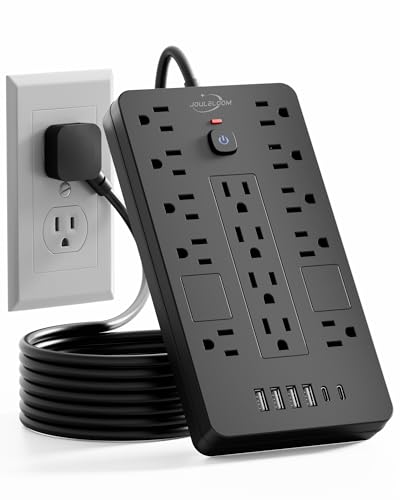
Powering demanding gear safely requires immediate visual confirmation that current is flowing without overloaded circuits. For September 2026, our top choice among 7 options in Best Extension Cords with Power Indicator Lights: Safe Wire is the 6 FT Surge Protector Power Strip Extension Cord. It combines ten AC outlets, six charging ports, and an illuminated safety switch that trips during overloads.
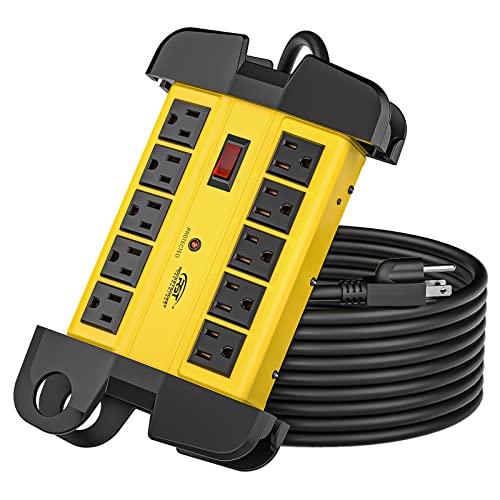
If you need heavy-duty outdoor reach or high-amperage workshop tools, the Eastman 25 Feet All Weather Extension Cord delivers rugged weather resistance with an illuminated connector. Pairing reliable cords with your desktop and external workstation hardware keeps expensive equipment protected from voltage spikes.


Best Extension Cords with Power Indicator Lights: Safe Wire Buying Guide
Wire Gauge and Current Capacity
Wire gauge determines how much electrical current a cord can carry without overheating. American Wire Gauge ratings use smaller numbers for thicker copper conductors, so a 12 AWG cord handles more power than a 16 AWG cord. Matching the gauge to your appliance wattage prevents dangerous heat buildup inside the insulation.
Standard household electronics operate comfortably on 14 AWG or 16 AWG cords rated up to 15 amps or 1875 watts. Power tools, air compressors, and space heaters demand heavy-duty 12 AWG wiring to avoid tripping breakers. Choosing an undersized cord risks melting connectors and permanently damaging sensitive motors.
Power Indicator Light Placement and Visibility
An indicator light provides instant confirmation that live current reaches the end of the cord. Transparent molded female ends with internal neon or LED lamps illuminate brightly when plugged into an energized receptacle. This feature eliminates guesswork when troubleshooting disconnected tools or tripped circuit breakers.
Power strip models often place indicator lights directly on the rocker switch or surge protection module. A glowing switch confirms that overload protection remains active and operational. If the light goes dark while connected, internal safety mechanisms have disconnected power to shield your equipment.
Surge Protection and Joule Ratings
Voltage spikes from lightning strikes or grid fluctuations can destroy computer equipment within milliseconds. Surge protection ratings measured in joules indicate how much transient energy the internal metal oxide varistors can absorb. For workstations reviewed in our desktop monitor guides, seek ratings above 1500 joules.
Basic extension cables lack surge suppression components and pass raw voltage fluctuations straight to connected devices. Dedicated surge strips divert excess voltage safely to the grounding wire. Choosing a model with automatic shutdown ensures power cuts off once surge components wear out.
Cable Length and Voltage Drop
Electrical resistance naturally increases as cord length extends from the main wall outlet. Long cables running under heavy loads experience voltage drops that can cause motors to run hot and stall. Keeping cord runs as short as possible ensures stable voltage delivery to all connected electronics.
For distances up to 25 feet, 14 AWG or 16 AWG cables supply adequate voltage for typical household duties. Runs extending 50 feet or beyond require thicker 12 AWG conductors to compensate for increased resistance. Never daisy-chain multiple extension cords together, because linked contact points introduce severe fire hazards.
Jacket Durability and Weather Ratings
The outer jacket protects inner copper conductors from moisture, abrasion, sunlight, and extreme temperatures. Outdoor cords feature designation codes like SJTW, indicating a hard thermoplastic jacket rated for all-weather service. These rugged jackets resist cracking in freezing conditions and withstand ultraviolet sunlight exposure.
Indoor cords prioritize flexibility and easy routing around furniture rather than heavy abrasion resistance. Using an indoor-rated cord outside exposes delicate vinyl to moisture and direct physical damage. Always verify safety certifications from ETL or UL to ensure proper insulation standards.
Outlet Layout and Plug Design
Bulky power transformers frequently block adjacent outlets on standard multi-plug cords. Look for strips with widely spaced sockets or side-facing orientations designed for oversized AC adapters. Angled 45-degree flat plugs sit flush against baseboards without obstructing the secondary wall receptacle.
Multiple USB ports eliminate the need for extra wall charging bricks for mobile devices. Wall-mounting slots on the backplate allow secure fastening beneath desks or along workshop pegboards. You can explore our practical how-to guides for clean cable management inspiration.
How We Evaluated
We analyzed 7 models by reviewing verified technical specifications, conductor gauge sizes, and safety certifications. Our evaluation focused on electrical efficiency, surge suppression capabilities, and real-world durability under continuous load conditions. We compared housing materials across brands such as Power By GoGreen, Eastman, CRST and more to determine build quality.
We also assessed plug geometry, indicator lamp brightness, and physical cord flexibility across various temperature ratings. Models earned top marks when they combined robust ETL safety listings with practical layout designs that prevent socket blocking. This data-driven process highlights cords that deliver reliable safety and lasting performance.
Common Mistakes to Avoid
Overloading cords beyond their maximum wattage rating remains the most hazardous mistake users make. Connecting multiple high-draw appliances like space heaters and microwave ovens to a 16 AWG cord causes extreme thermal buildup. Always calculate combined appliance wattage before plugging devices into a single receptacle.
Using indoor cables in outdoor environments creates serious shock and short-circuit hazards. Indoor vinyl jackets quickly degrade under rain, snow, and sunlight exposure, exposing live copper conductors. Always select weather-resistant SJTW jackets for yard work, patio lighting, or garage tools.
Ignoring coiled cords during high-power operation can lead to dangerous heat trapping. When current flows through tightly wound cables, the trapped magnetic field and heat cannot dissipate freely into surrounding air. Fully uncoil extension cords before powering heavy loads to ensure safe heat dissipation.
Buying Checklist
- Calculate total wattage to ensure it stays below the maximum cord rating of 1875 watts.
- Select 12 AWG or 14 AWG conductor thickness for high-draw appliances and workshop tools.
- Verify clear ETL or UL safety certification marks on the plug and cable jacket.
- Choose an illuminated female plug or switch indicator for immediate power confirmation in dark areas.
- Confirm outdoor cords feature an SJTW weather-resistant rating against moisture and sunlight.
- Check for a low-profile 45-degree flat plug if connecting behind tight furniture arrangements.
- Ensure the cord provides adequate surge protection joule ratings for sensitive computing equipment.
- Inspect outlet spacing to confirm oversized power bricks will not block neighboring AC receptacles.
Final Thoughts
Choosing the right extension cord ensures dependable power delivery while protecting your home and valuable electronics from electrical hazards. For everyday multi-device charging and desk setups, the 6 FT Surge Protector Power Strip Extension Cord is our top recommendation thanks to its generous outlet spacing, 1850-joule surge protection, and glowing reset switch. It offers complete versatility for office workstations and entertainment consoles.
When tough garage jobs or outdoor tools demand rugged durability, the Eastman 25 Feet All Weather Extension Cord provides reliable all-weather protection and high visibility. For users needing ultra-compact heavy-duty power on a budget, the EP 1 Ft 12/3 SJTW Lighted Indoor Extension Cord delivers thick 12 AWG copper conductors in a convenient triple-tap design. Visit our computer displays and setup category to find more hardware advice.
Frequently Asked Questions
Why is a lighted end important on an extension cord?
A lighted end provides immediate visual confirmation that electrical current is actively flowing through the cable. This saves time troubleshooting disconnected tools, tripped circuit breakers, or faulty wall receptacles, especially when working in dimly lit areas.
What makes Best Extension Cords with Power Indicator Lights: Safe Wire ideal for 2026?
The options in Best Extension Cords with Power Indicator Lights: Safe Wire combine heavy-gauge copper wiring, ETL safety certifications, and visual status indicators. They protect modern high-draw electronics from voltage drops while preventing dangerous overheating during extended operating sessions.
Can I plug a space heater into an extension cord with an indicator light?
Most heater manufacturers recommend plugging directly into a wall outlet to prevent electrical fires. If an extension cord is strictly necessary, you must choose a heavy-duty 12 AWG cord rated for 15 amps and 1875 watts without running any other appliances on that line.
What is the difference between 12 AWG, 14 AWG, and 16 AWG extension cords?
The AWG number indicates wire thickness, where smaller numbers signify thicker copper conductors that carry higher electrical loads safely. A 12 AWG cord handles up to 15 amps over longer distances, while a 16 AWG cord is limited to lighter 13-amp household devices.
What does the red light on a surge protector extension cord mean?
The red illuminated rocker switch indicates that power is flowing normally and surge suppression components are actively safeguarding connected devices. If the switch trips and turns dark, an overload or voltage spike occurred, requiring you to reduce the load and press the switch to reset.
Can I use an indoor lighted extension cord outdoors?
Indoor cords must never be used outdoors because their insulation lacks protection against moisture, UV rays, and extreme temperature swings. Outdoor environments require weather-rated cords like those featured in our practical how-to guides to prevent short circuits.
What does the SJTW rating mean on an extension cord?
SJTW represents a standardized electrical code indicating a junior hard service cable with a thermoplastic vinyl jacket rated for weather and water resistance. This designation confirms the cord can safely handle outdoor conditions, sunlight exposure, and fluctuating seasonal temperatures.
How do I know if my surge protector extension cord is still protecting devices?
Surge protectors feature a dedicated indicator light that stays lit as long as the internal metal oxide varistors remain functional. If that protection light extinguishes, the surge components have sacrificed themselves to absorb a power surge and the unit should be replaced.