
Digital illustrators needing desktop-grade rendering and pinpoint color accuracy will get exceptional performance from the ASUS 023 ProArt StudioBook 16 OLED Laptop. Its calibrated panel and dedicated GPU tackle complex multilayered canvases without stuttering during intense studio sessions.
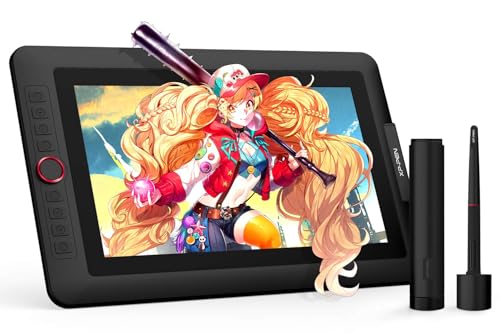
If you want lighter mobile drafting, the ASUS ProArt PZ13 2-in-1 AI Laptop 13.3″ Touch OLED offers versatile tablet sketching on the go. Artists on tighter budgets can pair an existing laptop with the XPPen Artist 13.3 Pro 13.3″ Drawing Tablet to achieve precision input, or connect to dedicated external monitors for broader desk views.


Best Drawing Laptops for Artists: Creative Powerhouses Buying Guide for 2026
Display Color Accuracy and Gamut Coverage
Visual fidelity determines whether digital illustrations translate accurately to print and commercial screens. Look for screens covering 100% DCI-P3 or high Adobe RGB color spaces to avoid muddy gradients.
Calibrated OLED panels offer true black levels and infinite contrast ratios for critical editing. You can explore advanced panel variations in our guide to IPS, OLED & LED panels to see how display technology influences daily illustration.
Stylus Responsiveness and Pressure Levels
Pressure sensitivity defines how naturally a digital brush responds to gentle hand pressure. Modern digitizers support thousands of pressure levels and active tilt recognition to simulate real pencils and brushes.
Minimal parallax between the glass surface and the underlying pixels keeps your strokes aligned with the pen tip. Fully laminated glass screens eliminate visual air gaps, which reduces eye strain during long drawing sessions.
Processing Power and Dedicated Graphics
High-resolution raster canvases with dozens of blending layers demand substantial multi-core processor performance. Integrated chips handle simple sketching, but dedicated GPUs prevent canvas lag when rotating large files or applying blur filters.
If your workflow includes 3D modeling in Blender or video rendering, dedicated graphics memory becomes essential. Choosing a machine with an RTX series GPU ensures your workstation maintains fluid framerates across complex visual software.
System Memory and High-Speed Storage
Digital art applications consume memory quickly when managing multiple history states and uncompressed textures. We recommend starting with 16GB of system RAM to ensure brushes never freeze mid-stroke.
Solid state storage with fast read speeds lets huge project files open instantly. Fast NVMe drives also serve as reliable scratch disks when editing oversized multi-gigabyte illustrations in desktop creative suites.
Portability Versus Thermal Headroom
Ultraportable detachable tablets provide effortless mobility for sketching in coffee shops or studios. However, slim chassis designs offer less cooling volume, which causes aggressive thermal throttling under sustained rendering loads.
Larger studio laptops maintain higher clock speeds through dual-fan cooling systems and thick heat pipes. Balancing weight against thermal endurance helps you select the right form factor for your creative routine.
Physical Controls and External Connectivity
Dedicated rotary dials and customizable express keys accelerate repetitive tasks like adjusting brush radius and zooming canvases. Physical controls let your non-drawing hand adjust canvas parameters without navigating buried software menus.
Versatile ports like Thunderbolt and full-size card slots let you offload raw camera files and connect to high resolution displays when working at your primary studio desk.
How We Evaluated
We analyzed hardware configurations across verified manufacturer specifications, color gamut ratings, and digitizer capabilities. Our evaluation compared real-world processing thresholds, screen laminate quality, and thermal profiles across 3 models from XP-Pen, ASUS.
We assessed how each device balances mobile drafting comfort against sustained studio rendering power. This objective comparison focuses on driver reliability, stylus compatibility, and thermal limits to highlight clear workflow trade-offs.
Common Mistakes to Avoid
Prioritizing raw processor speed while ignoring color gamut coverage leads to disappointing print results. A blazingly fast machine with poor sRGB coverage will distort colors that look vibrant on screen.
Buying a non-laminated touch display causes noticeable parallax between the stylus tip and drawn lines. That small air gap forces your eyes to compensate constantly, slowing down delicate line work.
Choosing a system with non-upgradable 8GB memory restricts your canvas size and layer count. Complex multi-layered illustration files quickly exhaust low memory, causing software crashes and brush stuttering.
Overlooking physical port selections creates unwanted dongle clutter on your desk. Ensure your chosen hardware includes high-speed video outputs and card readers for seamless peripheral workflows.
Buying Checklist
- Verify the display covers at least 100% sRGB or 100% DCI-P3 with factory color calibration.
- Confirm the screen is fully laminated to eliminate stylus parallax offset.
- Check stylus pressure levels and ensure active tilt support matches your drawing style.
- Select a minimum of 16GB RAM to prevent canvas freezing on multi-layer illustrations.
- Ensure the internal SSD uses fast NVMe protocols to serve as a high-speed scratch disk.
- Check thermal cooling design if you plan to render 3D scenes or 4K animations.
- Confirm the chassis includes necessary video output ports or high-speed Thunderbolt connectivity.
Final Thoughts
For digital painters and 3D animators requiring immense processing power, the ASUS 023 ProArt StudioBook 16 OLED Laptop represents the ultimate creative powerhouse. Its calibrated 3.2K OLED display, discrete RTX graphics, and physical dial provide desktop-class precision for demanding studios.
Creators who value mobility and field sketching will appreciate the lightweight versatility of the ASUS ProArt PZ13 2-in-1 AI Laptop 13.3″ Touch OLED. Meanwhile, budget-conscious illustrators can attach the XPPen Artist 13.3 Pro 13.3″ Drawing Tablet to existing setups, or browse our how-to guides to optimize color workflows.
Selecting the ideal creative machine comes down to balancing stylus fidelity with graphical horsepower. Evaluating your primary canvas resolution and portability needs ensures your new digital workstation enhances your artistic productivity.
Frequently Asked Questions
What should creators look for in Best Drawing Laptops for Artists: Creative Powerhouses in 2026?
Artists should prioritize a fully laminated display with high DCI-P3 color accuracy, responsive pen pressure tracking, and at least 16GB of system RAM. Dedicated graphics processors are also vital for high-resolution canvas manipulation and multi-layer rendering.
How much RAM is necessary for digital illustration and design?
We recommend a minimum of 16GB RAM for smooth digital drawing. This capacity ensures professional software like Photoshop, Clip Studio Paint, or Illustrator can manage large brushes and dozens of raster layers without lag.
Is an OLED screen better than an IPS display for digital art?
OLED screens offer superior black levels, infinite contrast, and vibrant color gamuts that make digital art pop. Learn more about panel differences in our guide to high quality computer monitors for detailed visual comparisons.
Do drawing laptops require dedicated graphics cards?
Dedicated graphics cards are not strictly mandatory for basic line art, but they make a massive difference in professional workflows. Dedicated GPUs accelerate canvas zooming, large brush effects, and 3D modeling tools significantly.
What is stylus parallax and why does it matter?
Parallax is the visual gap between your physical stylus nib and the digital stroke appearing on the glass. Fully laminated screens bring the glass closer to the LCD layer, eliminating offset and providing a natural drawing feel.
Can drawing tablets replace traditional paper sketchbooks?
Modern digital drawing hardware replicates traditional sketching with high tilt sensitivity and responsive pressure curves. Digital devices also provide instant undo functions, unlimited layers, and effortless file backup across cloud storage.
How does pen pressure sensitivity affect line quality?
Higher pressure sensitivity gives you finer control over stroke opacity and line thickness with subtle hand pressure. Modern digitizers supporting thousands of pressure levels deliver smooth transitions without sudden stepped jumps.