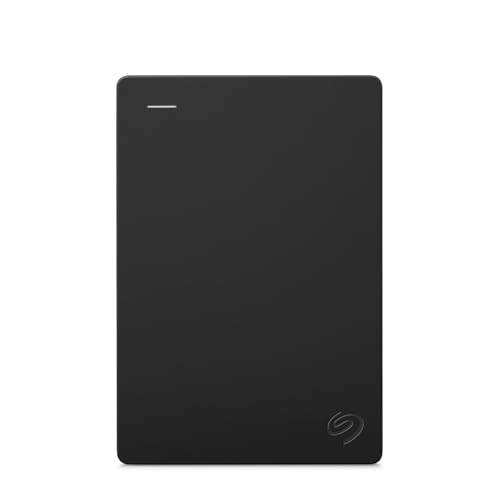

Finding reliable external storage requires balancing transfer speed, overall capacity, and physical durability for daily use. The Sandisk 2TB Extreme Portable SSD stands out as our top overall pick for users who need ultra fast file transfers in a rugged form factor. If you frequently handle large video files alongside desktop external storage solutions, this compact drive delivers exceptional performance across modern workflows.
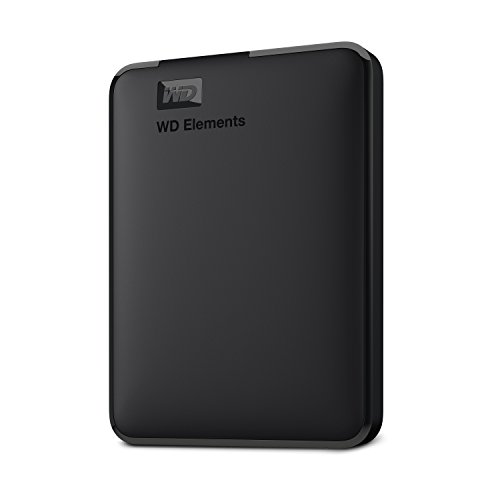
For users prioritizing maximum storage space at an accessible entry point, the WD 6TB Elements Portable External Hard Drive offers massive capacity for extensive media archives. We compared 5 models for September 2026 to narrow down the most dependable options available.

Best Hard Drives Today Buying Guide
Solid State Drive vs Mechanical Hard Drive
Choosing between solid state drives and traditional spinning platter drives represents the single biggest decision when shopping for storage solutions. Solid state drives utilize non-volatile flash memory to deliver rapid access times without moving parts inside the enclosure.
Traditional mechanical drives use rotating magnetic disks to store data at a significantly lower cost per gigabyte of space. While mechanical drives excel at archiving secondary back-ups, solid state technology provides superior resistance to drops and vibrations while operating in active work environments.
Read and Write Transfer Speeds
Transfer performance directly impacts how quickly you can move large photo libraries, 4K video footage, or virtual machine images. Modern portable solid state drives achieve speeds up to 2000 megabytes per second through high bandwidth USB connections.
Mechanical drives generally max out around 120 to 140 megabytes per second due to physical disk rotational limitations. When pairing external storage with best external monitors for video editing workflows, high speed drives prevent timeline lag during playback.
Physical Durability and Enclosure Protection
Portable drives are frequently tossed into backpacks, subjected to accidental bumps, or exposed to unpredictable weather during outdoor shoots. Premium rugged enclosures feature rubberized outer shells, IP65 water resistance, and rated protection against three-meter drop impacts.
Standard plastic enclosures offer basic desktop defense but lack environmental sealing against dust particles or liquid spills. Evaluating your typical working environment helps determine whether investing in specialized protective casing is necessary for data security.
Capacity Requirements for Media Workflows
Selecting the ideal storage size requires estimating your current data footprint along with projected growth over the next few years. Drive options in our current comparison span from one terabyte up to six terabytes of accessible space.
High resolution RAW photography and raw video assets accumulate rapidly, making larger multi-terabyte drives far more economical over time. Below is a quick overview comparing common storage tiers across typical user workloads.
| Storage Type | Typical Speed | Ideal Use Case | Durability Level |
|---|---|---|---|
| Portable SSD | Up to 2000 MB/s | 4K Video Editing & Active Editing | High (Drop & Water Resistant) |
| Portable HDD | 120 – 140 MB/s | System Backups & Large Archives | Moderate (Handle with Care) |
Interface Compatibility and Bus Power
Modern external storage relies on USB 3.2 connection standards to deliver both high speed data lines and electrical power over a single cable. Bus powered drives draw power directly from your host laptop or desktop computer, eliminating the necessity for bulky external wall adapters.
Ensure your host computer features compatible USB Type-C or USB Type-A ports to achieve peak rated transfer speeds without bottlenecking. Cross platform drive formatting allows seamless data sharing between macOS and Windows operating systems without requiring software reinstallation.
How We Evaluated
Our evaluation process relies on precise analysis of published manufacturer specifications, real world transfer benchmarks, and physical design characteristics. We analyzed essential attributes including sustained transfer rates, drop protection ratings, hardware encryption capabilities, and warranty coverage across top brands like Seagate, Western Digital, Sandisk.
We carefully assessed total cost per gigabyte across price points ranging from $129.99 – $879.99 to determine overall value across different user needs. By prioritizing verifiable technical performance and structural build quality, we provide objective recommendations without reliance on artificial marketing claims.
Common Mistakes to Avoid
One common error buyers make is purchasing a mechanical drive expecting the rapid responsiveness required for live video editing. Mechanical hard drives are designed for passive data archiving rather than real time file manipulation, leading to workflow frustration during media playback.
Another mistake is ignoring host computer port specifications when purchasing high speed solid state drives. Connecting a drive capable of 2000 megabytes per second to a legacy USB port bottlenecks performance to a fraction of its potential transfer rate.
Lastly, users often overlook environmental protection ratings when selecting portable storage for travel. Failing to select a drive with adequate water and drop protection leaves valuable files vulnerable to sudden physical shocks or liquid exposure.
Buying Checklist
- Verify whether your workflow requires high speed SSD performance or bulk mechanical HDD storage.
- Confirm host computer port compatibility with USB 3.2 Gen 2×2 or USB 3.0 interfaces.
- Check physical durability ratings including IP65 dust and water resistance for travel security.
- Select a capacity tier that accommodates your data growth projections for the next two years.
- Determine if built in 256-bit AES hardware encryption is required for private document security.
- Ensure the drive includes necessary connecting cables or adapters for your specific laptop ports.
- Review warranty length and manufacturer backup utility software availability before checkout.
Final Thoughts
Choosing the right external drive comes down to balancing speed requirements against total capacity budget. For users seeking ultimate speed and rugged reliability, we strongly recommend the Sandisk 2TB Extreme Portable SSD for its impressive transfer rates and compact form factor.
If maximum storage space is your primary goal, the WD 6TB Elements Portable External Hard Drive stands as our top value pick for large media archives. Creative professionals needing immense high speed capacity will benefit greatly from the Sandisk 4TB Extreme Portable SSD.
Selecting a dependable storage drive safeguards your irreplaceable files while streamlining daily workflows. Explore our helpful how to guides for additional setup tips and hardware recommendations.
FAQs
What is the main difference between an external SSD and an external HDD?
An external SSD uses flash memory chips with no moving parts, delivering significantly faster transfer speeds and higher shock resistance. An external HDD relies on spinning magnetic platters, offering lower speeds but providing larger storage capacities at a lower cost per gigabyte.
Which models rank among the Best Hard Drives Today in 2026 for travel?
Compact solid state drives featuring IP65 water and drop protection rank highest among the Best Hard Drives Today in 2026 for mobile professionals. Models like the Sandisk 1TB Extreme Portable SSD offer extreme durability and lightweight pocket sizing ideal for travel.
Do external hard drives work with both Windows and macOS computers?
Most external drives are pre-formatted for Windows or universal formats like exFAT out of the box. You can easily reformat any drive to work seamlessly across macOS, Windows, or Linux systems using built in operating system formatting utilities.
How fast are modern external solid state drives compared to traditional hard drives?
Modern portable SSDs reach transfer speeds up to 2000 megabytes per second, which is nearly fifteen times faster than traditional mechanical hard drives. High speed drives pair exceptionally well with high resolution display setups for seamless 4K video editing.
Do external portable drives require a separate power wall adapter?
Most compact 2.5-inch hard drives and portable solid state drives are bus powered directly through the host computer USB cable. They do not require a separate external wall adapter, making them exceptionally convenient for on the go productivity.
How long can data sit on an external storage drive without being powered on?
Data stored on mechanical hard drives can remain intact for many years when stored in a cool, dry environment. SSD flash memory retains data without power for several years, though powering on the drive periodically ensures optimal data integrity over extended periods.
What capacity should I choose for general system backups in 2026?
For routine computer back-ups in 2026, choosing a drive with at least double your host machine internal drive capacity is recommended. A 2TB or 4TB drive provides ample overhead for incremental system snapshots, personal documents, and photo collections.