Selecting the ideal pack for multi-day wilderness trekking comes down to carrying comfort and dedicated gear separation. The Osprey Atmos AG 65L Men’s Backpacking Backpack stands out as our top overall recommendation for September 2026 because its anti-gravity suspension system balances heavy loads effortlessly while providing a dedicated lower sleeping bag zippered chamber. If you are exploring our broader How To gear guides, you know that keeping bulky sleep systems isolated at the bottom prevents top-heavy instability.
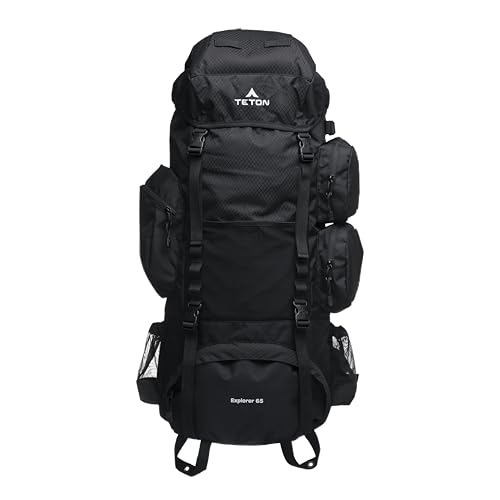
For adventurers looking for maximum volume without premium price tags, the Teton 55L Scout Internal Frame Backpack serves as an exceptional budget alternative. We analyzed 7 models across leading outdoor brands like Kelty, TETON Sports, Osprey and more to ensure every option features independent sleeping bag access and torso adjustability.




Best Multi-Day Hiking Backpacks with Sleeping Bag Compartment Buying Guide
Sleeping Bag Compartment Accessibility and Divider Design
A dedicated sleeping bag compartment at the bottom of a pack transforms how you pack and unpack at camp. Having a direct external zipper allows quick access to your sleeping bag without disturbing tent poles, clothing, or food stored above. Most designs include an internal fabric divider that keeps heavy items from crushing your lofted insulation during long hikes.
Look for compartments featuring floating or removable dividers rather than fixed sewn panels. Floating dividers give you the flexibility to unclip the barrier, creating one continuous internal cavity when carrying large single items. You can consult our essential gear setup strategies for further insights into balancing packed weight across custom internal dividers.
Backpack Volume and Carrying Capacity
Choosing the right pack volume depends entirely on trip duration, weather conditions, and personal gear size. Packs ranging from 55 to 65 liters suit standard weekend to four-day trips where gear is compact and efficient. Extended week-long expeditions or cold-weather trips requiring heavy sleeping bags demand capacities between 75 and 105 liters.
Overpacking a small pack causes seam stress and creates an unbalanced load profile against your back. Conversely, carrying an underfilled 85-liter pack allows items to shift around during steep descents. Select a volume that accommodates all interior gear with minimal external lashings to keep your center of gravity stable.
Torso Length and Frame Adjustability
Internal frame packs rely on proper torso alignment to transfer eighty percent of pack weight directly onto your hips. Torso length is measured from your C7 vertebra down to the top of your iliac crest. Modern multi-day packs feature sliding ladder harnesses or micro-adjusting Velcro back panels to match specific torso dimensions accurately.
A poorly fitted pack causes severe shoulder fatigue and lower back strain within the first few miles. When trying on a pack, ensure the shoulder straps wrap comfortably over your shoulders without gaps or tight pinch points. Adjusting load lifter straps at a forty-five-degree angle pulls the upper pack weight closer to your back.
Back Panel Ventilation and Harness Comfort
Sustained physical exertion while carrying heavy equipment generates substantial back heat and moisture. Suspended mesh tensioned panels hold the pack frame slightly off your back, encouraging continuous airflow to reduce body sweat. Molded foam panels with deep ventilation channels offer alternative structural support while maintaining decent breathability.
Thick padded hipbelts and dual-density foam shoulder straps distribute heavy loads evenly without digging into your collarbones. Lumbar support pads cushion your lower spine against constant friction during long trail miles. Check out our external gear balance guides to understand how suspension geometry prevents fatigue.
Hydration Integration and External Pocketing
Staying hydrated on extended trails requires quick access to water without unloading your main compartment. Dedicated internal hydration sleeves house three-liter bladders while routing drinking tubes neatly along the shoulder harness. Dual stretch-mesh side pockets secure water bottles and allow easy grabbing while walking.
External organization features like zippered hipbelt pockets, floating top lids, and front stash pockets keep essential items accessible. Hipbelt pockets store snacks, trail navigation devices, and headlamps within immediate arm reach. Front J-zippers and side compression straps allow fast packing adjustments as fuel and food reserves diminish.
Weather Resistance and Integrated Rain Protection
Backcountry weather can shift rapidly from sunny skies to torrential downpours within minutes. High-density nylon construction with durable water repellent coatings protects your interior gear from light moisture and abrasion. However, continuous heavy rain requires an integrated raincover that stows away in its own bottom pocket.
Keeping your sleeping bag completely dry is vital for backcountry safety during multi-day treks. Storing your sleep system inside a waterproof compression sack within the dedicated bottom compartment provides double-layer protection against damp ground and heavy rain. Always verify that your pack includes a fitted raincover before heading into wilderness areas.
How We Evaluated
Our evaluation process analyzed technical specifications, frame materials, torso adjustment ranges, and sleeping bag access designs from manufacturer data. We evaluated each pack based on load stability, ventilation performance, pocket accessibility, and overall durability across varying trail conditions.
We paid special attention to compartment divider flexibility, zipper heavy-duty ratings, and harness customization features. By comparing structural integrity and total load capacity across 7 models, we identified options that deliver maximum trail comfort and value for outdoor enthusiasts.
Common Mistakes to Avoid
The most frequent error hikers make is selecting a pack based on overall volume while ignoring their actual torso length. A pack that does not match your spine measurement places excessive weight on your shoulders, causing rapid soreness. Always measure your torso accurately before choosing a fixed or adjustable internal frame pack.
Another common mistake is packing heavy gear items into the bottom sleeping bag compartment. The bottom chamber is specifically designed for light, bulky items like sleeping bags and insulated clothes to maintain balance. Packing dense objects low shifts your center of gravity backward and forces you to lean forward uncomfortably.
Failing to utilize compression straps properly leads to loose internal gear that shifts while walking over rough terrain. Loose loads throw off your balance during river crossings or steep climbs. Pull all side and bottom compression straps tight after packing to consolidate your load into a solid unit.
Lastly, ignoring integrated raincover protection during fair weather planning can lead to soaked insulation in sudden storms. Wet sleeping bags lose their thermal properties rapidly, creating serious safety risks in cool climates. Always confirm your pack carries a fitted raincover or pack liner before leaving the trailhead.
Buying Checklist
- Confirm your torso length matches the pack frame adjustment range.
- Verify the lower sleeping bag compartment fits your specific sleeping bag size.
- Check that the internal compartment divider is removable or floating.
- Ensure the hipbelt wraps comfortably around your iliac crest without bottoming out.
- Look for an integrated raincover or built-in weather protection sleeve.
- Confirm hydration bladder sleeve compatibility and hose exit ports.
- Test load lifter strap positioning at a forty-five-degree angle.
- Verify side compression straps secure external gear without obstructing zipper access.
Final Thoughts
Selecting the ideal multi-day hiking backpack ensures your gear stays organized, dry, and comfortably balanced across tough wilderness terrain. For hikers seeking maximum ventilation and top-tier suspension comfort, the Osprey Atmos AG 65L Men’s Backpacking Backpack offers unmatched performance with its anti-gravity frame and dedicated sleeping bag access. You can also explore our outdoor equipment guides for additional packing tips.
Budget-conscious trekkers will find outstanding value in the Teton 55L Scout Internal Frame Backpack, which delivers custom torso adjustments and dependable storage features at an accessible entry point. Meanwhile, high-capacity expeditions requiring up to 105 liters of total gear storage will benefit from the massive versatility of the Kelty Coyote 60-105 Liter Internal Frame Backpack.
Regardless of which model you choose, selecting a pack with a dedicated sleeping bag compartment simplifies campsite setup and keeps your insulation protected. Prioritize proper torso fit, balanced packing habits, and adequate ventilation to make your next multi-day adventure as comfortable as possible.
Frequently Asked Questions
Why is a dedicated sleeping bag compartment important on multi-day hikes?
A dedicated sleeping bag compartment allows direct access to your sleep system without having to unload your entire pack. It keeps your bulky sleeping bag isolated at the bottom, protecting it from wet rain gear or leaking hydration bladders stored in the main compartment.
What size pack do I need for a 3 to 5 day trek?
A pack volume between 55 and 65 liters is generally ideal for standard three to five day backcountry trips. This capacity easily accommodates a lightweight tent, sleeping bag, stove, food, and warm clothing layers without unnecessary bulk.
How do I know if my sleeping bag will fit in the compartment?
Most synthetic and down sleeping bags inside a compression sack easily fit within standard pack sleeping bag compartments. If you carry an uncompressed or extra-thick winter bag, choose a pack with a floating or unzippable divider so you can expand the lower compartment space.
What is the top choice for Best Multi-Day Hiking Backpacks with Sleeping Bag Compartment in 2026?
The top choice in 2026 is the Osprey Atmos AG 65L Men’s Backpacking Backpack due to its superior anti-gravity mesh suspension, custom fit adjustability, and reliable lower sleeping bag zipper design. It delivers exceptional weight distribution across long trail miles.
How do I measure my torso length for a backpacking pack?
Tilt your head forward to locate the prominent bony bump at the base of your neck, which is your C7 vertebra. Measure down your spine to the point level with the top of your hip bones, known as the iliac crest. Check our detailed setup tutorials for step-by-step measurement guidance.
Can I unclip the sleeping bag divider inside the pack?
Many modern internal frame packs feature unclippable or floating compartment dividers held by toggles or straps. Unclipping the divider opens up one large continuous storage bay, which is helpful when transporting long gear items like folding camp chairs or bear canisters.
Should I pack my sleeping bag inside a dry sack inside the pack?
Yes, packing your sleeping bag inside a waterproof dry sack or compression liner provides essential protection against persistent rain and wet ground. Even packs with integrated raincovers can let in moisture along lower zippers when set down on damp terrain.
How much weight should I carry in a multi-day hiking pack?
As a general rule, your fully loaded backpack should not exceed twenty percent of your total body weight. Internal frame packs featured in our roundup support loads between thirty and fifty-five pounds comfortably when properly adjusted.