For most cleaning and auto care needs, the USANOOKS Microfiber Cleaning Cloth Grey delivers exceptional absorbency and soft performance without scratching delicate surfaces. Its dense weave traps grime efficiently while maintaining durability through hundreds of laundry cycles.
If you require dedicated vehicle detailing rags, the Chemical Guys, Professional Microfiber Towels offer a premium high-pile option for paint correction and waxing. In September 2026, we analyzed 7 options from top brands like Chemical Guys, USANOOKS, AIDEA and more to help you choose the right set. For more maintenance tips, explore our How To tutorials.

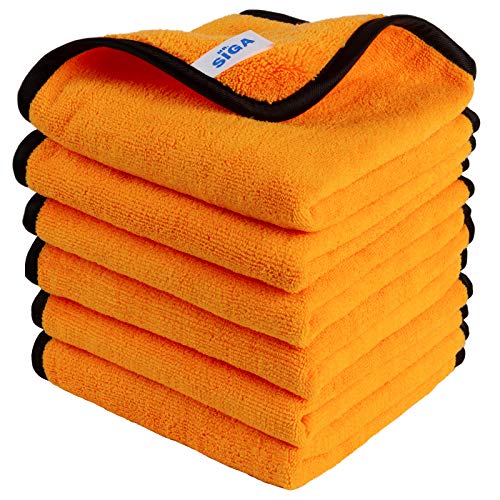
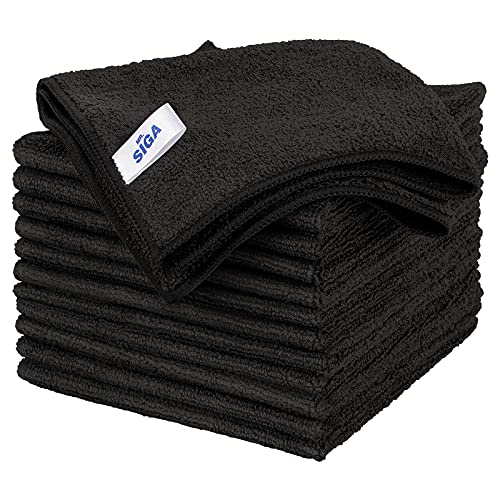


Best Microfiber Towels Buying Guide for 2026
GSM and Fabric Density
Grams per square meter, or GSM, determines the weight, thickness, and absorption capacity of a microfiber cloth. Lower GSM options under 300 are lightweight and excel at wiping glass, windows, and smooth surfaces without linting. Higher GSM options above 400 feature plush fibers designed to cushion dirt and soak up massive amounts of water during car washing.
Choosing the correct density prevents frustration during specialty chores around your workspace. If you clean sensitive electronic displays or monitor housings, checking our Computer Monitors & Displays guide helps identify safe cleaning practices. Matching the cloth thickness to the surface type ensures high efficiency without risking surface damage.
Material Blend Ratios
Microfiber cloths are constructed from a blend of synthetic polyester and polyamide fibers. Standard economy cloths utilize an 85/15 polyester to polyamide blend, providing decent durability and scrubbing strength for basic kitchen messes. Premium detailing towels rely on an 80/20 or 70/30 ratio, which increases softness and liquid attraction.
Higher polyamide content allows the fabric to grab moisture instantly while remaining softer on paint finish. The trade-off comes down to cost and general resistance to heavy harsh chemicals. Select higher polyamide blends for clear coats or delicate displays, while standard blends handle household counter duty effortlessly.
Weave Type and Fiber Structure
The weave architecture dictates how effectively a towel lifts debris or traps liquid. Waffle weave patterns feature small recessed pockets that channel water away efficiently, making them unmatched for streak-free glass drying. Micro-grid or root-style weaves focus on lifting grit and grease away from smooth surfaces.
Plush high-pile towels cushion grit within deep fibers so particles cannot scratch glossy paintwork during buffing. Low-pile flat weaves present zero lint and clear away fingerprints on glass seamlessly. Choosing the correct weave prevents residue and protects sensitive glass surfaces around your home.
Edge Stitching and Scratch Prevention
Edge construction plays a central role in long-term durability and surface safety. Overlock silk or satin edges prevent scratching on soft clear coats, whereas rough hard nylon thread edges can leave swirl marks during heavy rubbing. Borderless laser-cut options eliminate edge stitching completely to prevent surface contact issues.
Reinforced braided perimeter stitching keeps standard towels intact through hundreds of washing machine cycles. Inspecting the edge material helps determine if a towel belongs on delicate automotive paint or tough garage surfaces. Investing in scratch-free edges pays off when maintaining high-end finishes.
Towel Dimensions and Ergonomics
Microfiber cloths come in standard square dimensions like 12 by 12 inches up to larger 16 by 24 inch drying towels. Smaller cloths fold neatly into quarters, giving you eight clean wiping faces for precise detailing tasks. Larger sizes speed up vehicle drying by covering expansive body panels in a single pass.
Selecting towel dimensions depends on your hand size and intended workspace layout. Standard square dimensions offer nimble control when wiping off office gear reviewed in our best external monitors. Excessively large towels can become unwieldy when soaked with water, making medium square sizes ideal for versatile work.
How We Evaluated
We analyzed standard specification metrics across available datasets, comparing fiber blend ratios, GSM thickness levels, dimensions, and stitched border construction. Our evaluation focused on objective indicators of absorption speed, scratch prevention features, and laundering durability. We emphasized versatile picks that perform safely across glass, interior trim, and glossy automotive paint.
Each towel set was evaluated based on physical specs, manufacturer care guidelines, and verified user performance reports. We prioritized options that offer long service lives without shedding lint or losing softness after repeated machine washing cycles. This data-driven approach yields clear recommendations without relying on subjective claims.
Common Mistakes to Avoid
Washing microfiber with fabric softeners or bleach is the single fastest way to destroy absorption power. Fabric softeners clog the microscopic split fibers with oil, leaving the cloth unable to attract water or dust. Always wash microfiber using mild liquid detergent without additives, followed by low heat drying.
Another frequent error involves using high-pile plush towels on mirrors or glass windows. Deep plush fibers leave behind small lint strands and smear glass cleaner across smooth surfaces. Dedicated low-pile or waffle weave towels should always be reserved strictly for glass and mirror tasks.
Mixing greasy floor rags with paint detailing cloths in the same laundry load causes cross-contamination. Embedded brake dust or garage debris can transfer to polish cloths, leading to swirl marks on clear coats. Separate your towel inventory by task color to maintain clean laundry habits.
Buying Checklist
- Verify the polyester to polyamide blend ratio matches your delicate or general cleaning needs.
- Check GSM ratings to select high pile for paint buffing or low pile for streak-free glass.
- Confirm edge stitching uses soft silk or overlock braided thread to avoid surface scratches.
- Select a multi-color pack to establish a color-coded task system across rooms or garage zones.
- Ensure towel size fits your hands comfortably when folded into four cleaning quarters.
- Confirm laundering instructions support machine washing up to standard temperatures.
- Choose lint-free non-abrasive fabrics if working around sensitive electronic displays.
Final Thoughts
Equipping your supply closet with the right towels makes short work of household spills and detailed auto care. For overall absorbency and versatility across multiple surfaces, we recommend the USANOOKS Microfiber Cleaning Cloth Grey. Its dense weave locks away liquids quickly while standing up to hundreds of washings.
If automotive detailing is your primary focus, the Chemical Guys, Professional Microfiber Towels offer ultra-soft high-pile fibers that safely buff wax without scratching paint. Budget-conscious buyers needing high towel counts will appreciate the HOMEXCEL Microfiber Cleaning Cloth 12 Pack for dependable everyday household maintenance. For broader workspace setup tips, check out our guide on Desktop & External Monitors.
FAQs
What makes Best Microfiber Towels superior to cotton cleaning rags?
Microfiber features split synthetic strands that create microscopic hooks to trap dirt, grease, and liquid instead of pushing them around. Cotton fibers push debris across surfaces and absorb less moisture per unit of weight.
How should I wash Best Microfiber Towels in 2026 to maintain absorbency?
Wash microfiber cloths in warm water using dedicated liquid detergent without fabric softeners or bleach. Air dry or tumble dry on low heat to prevent synthetic fibers from melting together. Additional care tips are available in our IPS, OLED & LED Panels section for delicate screen maintenance.
Can I use Best Microfiber Towels dry for dusting household items?
Yes, dry microfiber generates static electricity that naturally attracts fine dust particles without requiring chemical sprays. This makes dry microfiber ideal for wiping electronics, light fixtures, and furniture surfaces.
What GSM rating should I look for when shopping Best Microfiber Towels?
A GSM rating between 250 and 350 works best for general household cleaning, kitchen wiping, and glass. For heavy vehicle drying and polish buffing, choose plush towels rated at 400 GSM or higher.
Will Best Microfiber Towels scratch car clear coats or glass?
High-quality microfiber cloths will not scratch sensitive finishes because their soft synthetic blend cushions surface friction. Scratches only occur if hard dirt particles get trapped in an unwashed towel during heavy rubbing.
Why is fabric softener harmful to Best Microfiber Towels?
Fabric softeners coat synthetic fibers with a water-resistant silicone film that clogs microscopic spaces. This layer eliminates liquid absorbency and reduces dust attraction until washed out with hot water.
How many washes can I expect from quality Best Microfiber Towels?
Well-maintained microfiber towels with reinforced overlock stitching withstand anywhere from 300 to over 1,000 laundering cycles. Proper washing without harsh chemicals ensures long service life without losing absorbency.
Is a color-coded towel system useful for home cleaning in 2026?
Using separate colors for kitchens, bathrooms, glass, and car detailing prevents cross-contamination of grease and bacteria. A color-coded setup keeps your cleaning routine organized and hygienic across different zones.