
Homeowners seeking comprehensive perimeter protection will find the REOLINK Argus PT Ultra First 4K Solar Security to be the top overall choice. It delivers crisp ultra-high-definition video with continuous solar power, pan-tilt flexibility, and responsive smart alerts without any wiring hassles.
If you need an economical wired alternative for tight spaces, the Tapo 1080P Outdoor Wired Pan/Tilt Security Wi-Fi provides full pan-tilt tracking at an accessible entry point. Our comparison of 5 options for October 2026 follows our How To setup guides to evaluate resolution, night vision, and weather durability.


Best Surveillance Cameras for Home Outdoor: Clear Sight Buying Guide
Resolution and Optical Clarity
Resolution determines how clearly your outdoor camera captures facial features, license plates, and distant objects. Higher resolutions like 4K and 12MP allow you to zoom into recorded footage without turning the image into a pixelated blur.
While 1080p remains adequate for small entryways, outdoor perimeter surveillance benefits immensely from 2K or 4K sensors. Pair your camera setup with crisp display hardware by exploring our review of Best High Resolution Monitors for Comfort and Value for detailed desktop monitoring.
Higher resolution sensors require more network bandwidth and storage space to maintain smooth video playback. Ensure your home network infrastructure can support continuous high-bitrate streaming without causing connection drops or playback buffering.
| Resolution Level | Pixel Grid | Identification Range | Bandwidth Impact |
|---|---|---|---|
| 1080p Full HD | 1920 x 1080 | 15 to 20 feet | Low (1 to 2 Mbps) |
| 2K Quad HD | 2560 x 1440 | 25 to 35 feet | Moderate (2 to 4 Mbps) |
| 4K Ultra HD | 3840 x 2160 | 45 to 60 feet | High (4 to 8 Mbps) |
| 16MP Panoramic | 7680 x 2160 | 60+ feet | High (8 to 12 Mbps) |
Field of View and Lens Configuration
Field of view dictates how much horizontal and vertical area a single camera can monitor. Standard fixed lenses offer between 85 and 110 degrees of coverage, which can leave notable blind spots along wide property lines.
Motorized pan-and-tilt cameras sweep across 360 degrees to track movement automatically across your entire yard. Dual-lens panoramic models stitch two image sensors together, giving you an uninterrupted 180-degree view without requiring moving mechanical parts.
Selecting ultra-wide lenses can introduce slight fish-eye distortion at the outer edges of the frame. Modern camera processors use image correction algorithms to flatten the perspective and maintain straight structural lines.
Night Vision Capabilities and Lighting
Most outdoor security incidents occur after sunset, making nighttime visibility a critical feature for any system. Standard infrared night vision uses invisible LED arrays to produce clear monochrome black-and-white video in total darkness.
Full-color night vision utilizes integrated motion spotlights and wider lens apertures to preserve true colors after dark. Capturing color details such as clothing hue or vehicle paint helps authorities identify suspects much faster.
Constant spotlight illumination can draw unwanted attention or disturb neighbors if placed near bedroom windows. Look for cameras that allow scheduled illumination or motion-activated spotlight triggering to balance security with suburban courtesy.
Power Source and Installation Flexibility
Power delivery determines where you can place cameras and how much ongoing maintenance they require. Battery-powered and solar-assisted models offer total placement freedom along fences, sheds, and trees without drilling electrical conduits.
Hardwired Power over Ethernet systems deliver power and reliable data over a single network cable back to a central hub. When setting up an indoor monitoring station, consider reviewing Desktop & External Monitors for dedicated surveillance feeds.
Battery systems require recharging every few months unless paired with an efficient exterior solar charging panel. Wired PoE installations demand more initial labor up front but reward you with uninterrupted 24/7 continuous recording stability.
Smart AI Detection and Alert Accuracy
Early generation security cameras triggered alerts on any pixel change, flooding phones with notifications for blowing leaves and rain. Modern outdoor units utilize on-device artificial intelligence to distinguish humans, vehicles, and pets from environmental motion.
Accurate detection algorithms ensure you only receive push notifications when genuine threats or important deliveries arrive. Custom detection zones allow you to exclude busy public sidewalks and focus solely on your private driveway.
Cloud-dependent AI processing can introduce slight alert delays if your internet connection experiences latency. Edge-based AI processing analyzes footage locally inside the camera hardware, delivering immediate alerts and preserving privacy.
Local and Cloud Storage Options
Video storage architecture impacts both your monthly expenses and the security of your archived video files. Local storage via onboard microSD cards or network video recorders keeps your footage private without recurring subscription fees.
Cloud storage subscriptions provide offsite backups that protect your video evidence if an intruder steals or damages the physical camera. However, monthly subscriptions accumulate significant costs over years of continuous multi-camera ownership.
The best approach combines local primary storage with selective cloud clips for high-priority security triggers. Many top cameras support high-capacity microSD cards up to 512GB alongside optional encrypted cloud archiving.
How We Evaluated
We evaluated each outdoor surveillance model by analyzing manufacturer specifications, hardware schematics, and verified user operational data. Our assessment focused on optical resolution, weather resistance ratings, field-of-view geometry, and power management efficiency.
We also examined software ecosystems, comparing mobile application responsiveness, AI detection reliability, and recurring subscription overhead. This structured evaluation highlights practical trade-offs so you can invest in equipment suited to your property layout.
Common Mistakes to Avoid
Placing cameras too high off the ground is a frequent mistake that ruins identification capabilities. Mounting a camera higher than nine feet produces top-of-head angles rather than recognizable facial features when individuals approach.
Relying strictly on 2.4GHz Wi-Fi across long outdoor distances often causes video stuttering and dropped live feeds. Position your router closer to exterior walls or invest in dual-band cameras and PoE systems for consistent streaming.
Overlooking local storage capacity leads to unexpected monthly fees and video overwrite issues during vacations. Always install high-endurance microSD cards rated for continuous write cycles to prevent card corruption and lost evidence.
Buying Checklist
- Verify the camera enclosure carries an IP65, IP66, or IP67 weatherproof rating for rain and dust.
- Check whether your mounting location receives strong 2.4GHz or 5GHz Wi-Fi signal before drilling.
- Confirm if the camera requires a proprietary hub or connects directly to your home network.
- Ensure the maximum supported microSD card capacity meets your retention requirements for footage.
- Review power access to decide between continuous PoE wiring, AC plug-in, or solar battery power.
- Verify smart AI detection for humans, vehicles, and pets operates without a mandatory paid subscription.
- Confirm night vision range covers your entire driveway or backyard perimeter up to at least 30 feet.
- Check mobile application compatibility with your existing smart home platform such as Alexa or Google Assistant.
Final Thoughts
Selecting the right outdoor security solution comes down to balancing installation convenience with imaging performance. For complete wire-free operation with crisp resolution, the REOLINK Argus PT Ultra First 4K Solar Security stands as our best overall pick for residential properties.
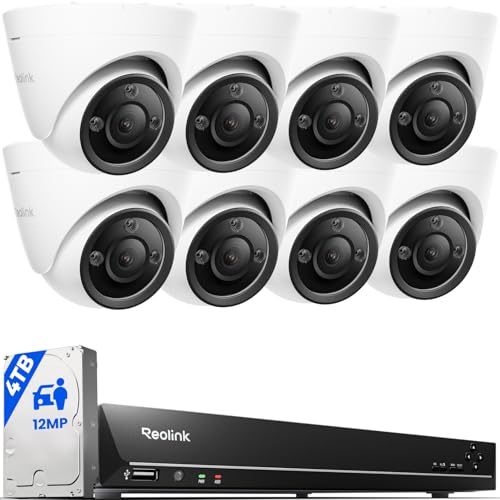
Budget-conscious homeowners will appreciate the Tapo 1080P Outdoor Wired Pan/Tilt Security Wi-Fi for its motorized tracking and zero mandatory subscription fees. If you manage an expansive perimeter requiring multi-angle coverage, the REOLINK 16CH 12MP PoE Security Camera System delivers commercial-grade reliability.
Take time to map your property boundaries and choose power configurations that minimize maintenance headaches over time. To complete your home monitoring workstation with crystal-clear displays, browse our guide to Best Quality Monitors for Comfort and Value You Need.
FAQs
What makes the top choice among Best Surveillance Cameras for Home Outdoor: Clear Sight in 2026?
The top cameras combine at least 2K or 4K video resolution with dependable AI detection and flexible power options. Models like solar pan-tilt cameras provide complete coverage without requiring complex electrical work.
Do outdoor surveillance cameras require monthly subscription fees to function?
No, many modern cameras operate fully without recurring subscription fees by recording clips to onboard microSD cards or local NVR drives. Subscription plans are typically optional services for cloud backup and extended video history.
How much Wi-Fi speed is required for 4K outdoor security cameras?
A 4K security camera generally requires between 4 and 8 Mbps of dedicated upload bandwidth per active stream. If you operate multiple high-resolution cameras simultaneously, a mesh Wi-Fi system or wired PoE setup ensures smooth transmission.
Can I view outdoor security camera feeds on a computer monitor?
Yes, most camera systems offer desktop client software and web browser portals for live monitoring on PC screens. If you want a sharp desktop viewing station, check our guide on Best HD Computer Monitors: Compare Comfort and Value to find an ideal display.
What is the difference between IP66 and IP67 weather resistance ratings?
An IP66 rating signifies protection against heavy rainstorms and powerful water jets from any direction. An IP67 rating provides even higher protection, allowing temporary water submersion without internal moisture damage.
How long do battery-powered outdoor security cameras last on a single charge?
Most battery cameras run between one and six months per charge depending on trigger frequency and climate temperatures. Adding a small solar panel accessory provides continuous trickle charging, eliminating the need to dismount the camera for manual recharges.
Does color night vision work in complete pitch darkness?
Color night vision requires some ambient light or an activated LED spotlight to illuminate the scene in full color. Without any light source, cameras automatically switch to infrared mode to produce sharp black-and-white video.
What is the advantage of dual-lens outdoor security cameras?
Dual-lens cameras combine two optical sensors to deliver an expansive 180-degree panoramic view without mechanical rotation. This eliminates blind spots and captures wide front yards or driveways in a single unified frame.