
Finding the Best Bookshelf Speakers for Small Room setups in October 2026 comes down to balancing compact cabinet dimensions with expansive sound reproduction. For listeners who want cinematic depth without sacrificing desk or shelf space, the Polk Audio Signature Elite ES20 Bookshelf offers exceptional clarity and extended bass response. We analyzed 5 top models to determine which speakers deliver dynamic acoustic performance in cozy environments.
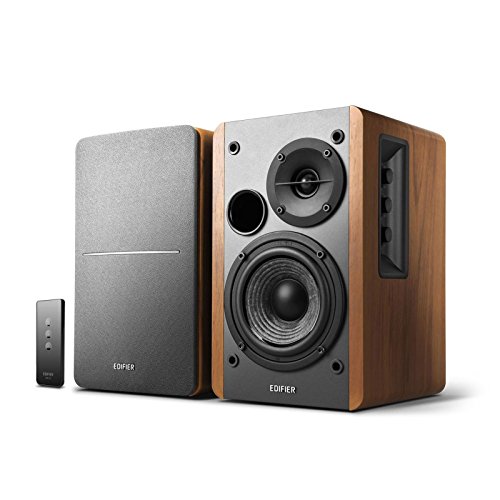
If you need an active option that eliminates the requirement for an external receiver, the Edifier R1280T Powered Bookshelf Speakers -2.0 serves as a budget-friendly plug-and-play solution. Readers looking to build a complete desktop arrangement can also explore our audio setup guides for optimal positioning tips.


Best Bookshelf Speakers for Small Room Buying Guide
Bass Port Configuration and Wall Proximity
When selecting speakers for smaller bedrooms or modest home offices, physical boundary interactions play a major role in acoustic performance. Rear port speakers emit low frequency energy backward, which can bounce off close walls and create boomy bass tones.
Front ported or specially tuned designs allow you to place cabinets nearer to walls without ruining low frequency clarity. Understanding boundary distance helps you maintain tight bass control even in rooms with limited placement options.
Active Versus Passive Speaker Design
Active bookshelf speakers include built-in power amplifiers inside the cabinet, eliminating the need for dedicated receivers or external power boxes. This streamlined approach saves critical surface area on compact desks and media console shelves.
Passive speakers require an external receiver or amplifier to function properly, offering greater long term flexibility for system upgrades. If you already maintain desktop workstation setups, deciding between active and passive gear dictates your desk cable organization.
Driver Sizes and Room Acoustics
Woofer driver diameters typically range from four inches up to six and a half inches in compact cabinet designs. Larger woofers push more air to generate deeper bass impact, but they require larger enclosures that may overcrowd smaller desks.
Smaller four inch or five inch drivers provide snappy mid range audio and clear vocal detail without overwhelming near field listening positions. Choosing the right driver size ensures sound waves integrate smoothly within small room acoustics.
Cabinet Dimensions and Surface Footprint
Physical enclosure dimensions determine how easily speakers sit alongside monitors, laptops, or bookshelf units. Measuring depth is particularly critical because rear cables and binding posts demand extra physical clearance behind the speaker body.
Compact enclosures with keyholes or bracket mounts allow for wall mounting, freeing up valuable desktop workspace entirely. Pairing sleek cabinets alongside external display configurations creates a clean workspace layout without audio compromise.
Amplifier Power Handling and Impedance
Matching speaker impedance and power handling to your amplifier prevents distortion and protects delicate voice coils. Most bookshelf models operate at nominal four or eight ohm loads, requiring compatible receiver output for optimal efficiency.
High sensitivity ratings allow speakers to achieve clear volume levels with modest power inputs, which is ideal for near field environments. Proper power matching delivers clean sound dynamics without running your amplifier at high thermal stress levels.
| Feature Category | Active Speakers | Passive Speakers |
|---|---|---|
| Amplification | Internal built-in amp | External receiver required |
| Desk Footprint | Minimal extra gear | Requires amp space |
| Placement Flexibility | Direct source connection | Modular cable runs |
How We Evaluated
Our evaluation framework examines verified manufacturer specifications, acoustic enclosure designs, driver component materials, and physical cabinet footprint. We analyzed how each model manages frequency dispersion and cabinet resonance within tight spatial constraints.
By evaluating connectivity options, amplifier requirements, and physical mounting versatility, we identified which designs provide maximum audio value. This data-driven analysis ensures our recommendations suit genuine home office and small room environments.
Common Mistakes to Avoid
Placing rear ported bookshelf speakers flush against a solid back wall is one of the most common setup errors. This placement causes low frequency reflections that distort vocal clarity and make dialogue sound boomy.
Another frequent mistake is failing to verify amplifier compatibility before purchasing passive speaker pairs. Pairing low sensitivity speakers with underpowered receivers causes clipping distortion and degrades overall acoustic detail.
Ignoring ear level height alignment also degrades spatial soundstage quality for desktop listeners. Using simple desk stands or foam isolation pads elevates high frequency tweeters directly toward your ears for optimal clarity.
Buying Checklist
- Measure available desk or shelf depth including cable connector clearance behind cabinets.
- Confirm whether you prefer active powered speakers or have an external receiver for passive pairs.
- Check rear port distance requirements to ensure cabinets sit at least several inches off walls.
- Verify speaker impedance ratings match your receiver output specifications for passive models.
- Assess whether wall mounting keyholes are necessary for your room layout.
- Choose driver sizes that fit your listening distance without overpowering near field spaces.
- Select speaker wire gauge appropriate for your total cable run length.
Final Thoughts
Selecting the Best Bookshelf Speakers for Small Room applications depends on your existing audio equipment and physical room layout. For maximum overall acoustic performance with punchy bass and detailed highs, we strongly recommend the Polk Audio Signature Elite ES20 Bookshelf. Its balance of power handling and refined cabinet engineering makes it a standout choice for home listening.
If you want an affordable, active desktop solution that bypasses external amplifiers, the Edifier R1280T Powered Bookshelf Speakers -2.0 delivers incredible value. Budget conscious buyers starting a passive home audio layout will find great utility in the Polk Audio T15 100 Watt Home Theater Bookshelf.
Complementing your audio gear with dedicated desktop media setups creates an engaging workspace for entertainment and productivity. Take time to measure your surface area before finalizing your pick to ensure seamless acoustic integration.
Frequently Asked Questions
What is the top-rated option among Best Bookshelf Speakers for Small Room in 2026?
The Polk Audio Signature Elite ES20 Bookshelf stands out in 2026 for its balanced frequency response and dynamic bass output. It delivers full range sound without requiring large, bulky cabinet enclosures.
Do active bookshelf speakers sound better than passive ones in tight spaces?
Active speakers offer convenience because their internal amplifiers are tuned specifically for their drivers. Passive speakers allow you to upgrade external components over time, making both designs equally capable of great sound quality.
How far should bookshelf speakers be placed from the back wall?
Most rear ported speakers perform best when positioned six to twelve inches away from solid walls. This clearance prevents bass frequencies from reflecting excessively and muddying the overall soundstage.
Can I use bookshelf speakers without a dedicated subwoofer?
Yes, quality bookshelf models with dynamic drivers reproduce sufficient bass frequencies for small rooms. You can always add a subwoofer later if your audio receiver supports low frequency expansion outputs.
Do I need speaker stands for desk setups?
Using small desktop stands elevates high frequency tweeters to ear height, significantly improving soundstage clarity. Desktop isolation pads also reduce sympathetic vibrations transferred into your desk surface.
What speaker wire gauge is best for small room passive setups?
Standard 16-gauge or 14-gauge copper speaker wire is ideal for short distance runs inside small rooms. Higher gauge wire ensures minimal signal resistance between your receiver and speaker terminals.
Can bookshelf speakers connect directly to a monitor or TV?
Active models with 3.5mm or RCA inputs connect directly to headphone jacks on displays or media players. For additional display advice, view our guide on HDMI connectivity setups.