Finding a portable machine that handles high-refresh gaming alongside pixel-precise photo editing requires balancing GPU muscle with display clarity. For demanding creators and gamers in October 2026, the ASUS ROG Strix G16 (2025) Gaming Laptop stands out as our top pick due to its Intel Core i7 processor and dedicated NVIDIA graphics.
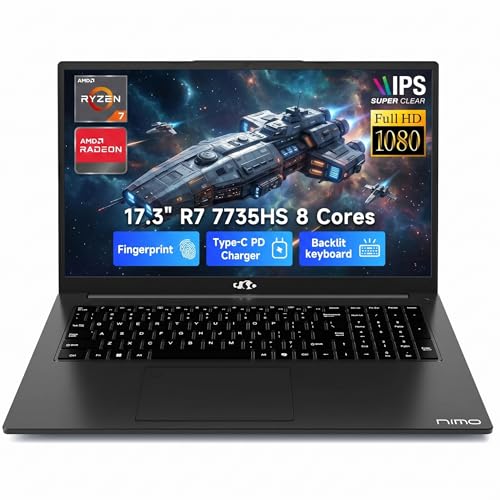
If you want an expansive workspace for timeline editing or multi-window productivity without paying premium flagship prices, consider the NIMO 17.3 FHD AI Gaming Laptop as a capable alternative. When editing images on the go, connecting to external computer monitors can also expand your visual workspace.



Best Laptops for Gaming and Photo Editing Buying Guide for 2026
Display Accuracy and Panel Technology
Photo editing requires high color accuracy, while gaming benefits from high refresh rates and minimal latency. When evaluating displays, look for high sRGB or DCI-P3 gamut coverage to ensure your edited colors match final outputs.
Screen size also affects daily productivity when managing multi-layer photo edits or complex game UIs. Photographers looking for maximum color depth often pair their laptops with specialized panel technology displays during docked studio sessions.
Graphics Processing Power (GPU)
Dedicated graphics processors accelerate both 3D rendering in modern games and GPU-accelerated filters in photo editing suites. High-performance GPUs like the NVIDIA GeForce RTX series incorporate dedicated VRAM that prevents system memory bottlenecks during heavy visual workloads.
Integrated graphics solutions like the AMD Radeon 780M can handle light 1080p gaming and basic photo adjustments. However, complex multi-layer editing and AAA titles with ray tracing require discrete graphics hardware to maintain smooth playback.
Central Processing Unit (CPU) Performance
High clock speeds and multi-core architectures allow your system to batch-process photo exports while running background tasks. Multi-threaded CPUs like the Intel Core i7 14650HX or AMD Ryzen 7 series efficiently handle heavy raw image demosaicing.
When comparing processors in 2026, look at sustained power draw measured in thermal design power (TDP). Higher wattage limits allow CPUs to maintain peak boost clocks for longer render sessions without unexpected thermal throttling.
RAM Capacity and Memory Speed
Photo editing software quickly consumes system memory when handling high-resolution RAW files and large image stacks. Operating with 16GB of DDR5 memory is the baseline for smooth multitasking between editing applications and modern game titles.
Systems featuring expandable dual SO-DIMM slots allow you to upgrade memory capacity as your raw file sizes grow over time. Fast DDR5 memory speeds ensure rapid data transfer rates between your CPU and active software applications.
Storage Performance and Expansion
Fast solid-state drives drastically shorten boot times, application launches, and scratch disk read operations. PCIe Gen 4 NVMe SSDs deliver multi-gigabyte transfer rates essential for moving multi-gigabyte video clips and photo libraries.
Having dual M.2 SSD slots provides a dedicated drive path for your operating system alongside a separate high-speed media storage drive. Creative professionals often link portable drives or hi-res monitor setups to expand their workstation flexibility.
Thermal Management and Portability
High-performance components generate significant heat during extended gaming sessions or video export renders. Advanced thermal systems using vapor chambers, liquid metal thermal interface material, or tri-fan configurations maintain internal stability under load.
If you frequently work outside a home office, consider battery capacity paired with Power Delivery (PD) fast charging support. Modern USB-C PD charging allows you to top up your battery using compact adapters instead of lugging heavy power bricks.
How We Evaluated
We analyzed technical specifications across 5 laptops in ASUS, NIMO lineups, focusing on component balance for combined gaming and photo editing workloads. Our evaluation weighted GPU compute capabilities, processor core counts, display parameters, and thermal efficiency.
We assessed structural build quality, memory expandability, and port selection to ensure long-term usability. By comparing verified spec sheets against software system requirements, we identified models that deliver dependable performance across price points ranging from $649.99 – $1,599.99.
Common Mistakes to Avoid
A frequent mistake is prioritizing pure CPU raw speed while neglecting display color accuracy. Buying a laptop with a high refresh rate panel that lacks proper color space coverage leads to muted prints and inaccurate color grading.
Another error is selecting a system with soldered memory that cannot be upgraded later. Photo editing requirements scale rapidly with modern camera resolution, making expandable DDR5 RAM slots crucial for future longevity.
Buyers also overlook port connectivity options such as USB4, HDMI 2.1, or full-sized SD card readers. Relying entirely on external dongles introduces clutter and reduces connection reliability during live photo transfers.
Lastly, neglecting thermal design specifications can result in severe performance throttling under load. A laptop with powerful hardware requires adequate cooling vents and fan capacity to sustain its advertised clock speeds.
Buying Checklist
- Verify the display offers full sRGB coverage for accurate photo editing work.
- Confirm the GPU includes dedicated VRAM to accelerate graphics filters and 3D games.
- Check that the processor features at least 8 physical cores for multi-threaded batch exports.
- Ensure system RAM is DDR5 and uses upgradeable SO-DIMM slots rather than soldered memory.
- Select a model with PCIe Gen 4 SSD storage for fast scratch disk performance.
- Confirm the presence of built-in SD card readers or high-speed USB ports for media transfer.
- Check that thermal management uses multi-fan or vapor chamber cooling to prevent throttling.
- Ensure USB-C Power Delivery is supported if you plan to travel without large power bricks.
Final Thoughts
Selecting the right machine for dual gaming and creative workloads comes down to balancing raw hardware performance with everyday usability. For users seeking the highest graphics power and high refresh rate display technology, we recommend the ASUS ROG Strix G16 (2025) Gaming Laptop as the top overall pick.
If your primary goal is maximizing screen workspace and AI processing capabilities on a modest budget, the NIMO 17.3 FHD AI Gaming Laptop delivers exceptional value with its expandable USB4 connectivity. Meanwhile, budget-conscious buyers will appreciate the NIMO Light Gaming Laptop for its solid 8-core CPU performance.
Whichever option you choose, ensure your setup aligns with your target workflow requirements and display needs. Pairing your new laptop with desktop external displays can further enhance your editing comfort during extended home studio sessions.
Frequently Asked Questions
What is the most important component in Best Laptops for Gaming and Photo Editing in 2026?
Both GPU power and display quality are critical when choosing hardware. The GPU drives fast game frame rates and accelerates photo filters, while a color-accurate display ensures your photo edits match real-world output.
How much RAM is recommended for photo editing and gaming?
A minimum of 16GB DDR5 RAM is recommended for modern gaming and multi-layer photo editing. If you work with high-resolution RAW files or complex photo stacks, upgrading to 32GB or 64GB provides extra headroom.
Can I use integrated graphics for photo editing and light gaming?
Modern integrated graphics like the AMD Radeon 680M or 780M can handle basic 1080p gaming and lightweight photo edits. However, intensive 3D gaming and heavy filter processing benefit significantly from a dedicated GPU.
Why is screen size important for creative workloads?
A larger display, such as a 17.3-inch panel, offers extra timeline space and room for software toolbars without overcrowding your canvas. You can also connect to how to computer display guides to learn about multi-monitor setups.
Is SSD storage better than HDD storage for photo editing?
PCIe Gen 4 NVMe SSDs are vastly superior to traditional hard drives for creative software. They dramatically speed up image indexing, file transfers, and application load times during daily editing.
What display specs should photographers look for in 2026?
Photographers should prioritize high color gamut coverage, such as 100% sRGB or wide DCI-P3 support. High contrast ratios and anti-glare coatings also improve visibility when working in bright environments.
Does fast charging matter for gaming laptops?
Fast charging via USB-C Power Delivery allows mobile creators to quickly recharge their battery without lugging heavy power bricks. It provides convenient power top-ups between remote work sessions.
Why is thermal cooling important in dual-purpose laptops?
Demanding games and continuous photo rendering stress both the CPU and GPU simultaneously. Advanced cooling systems prevent thermal throttling, ensuring stable clock speeds and longer hardware lifespans.