

Finding the right display means looking for exceptional contrast combined with a slim profile that mounts flush against your wall. The Sony 65 Inch BRAVIA 8 II QD OLED 4K HDR stands out as our top recommendation for most home theaters in October 2026. It blends incredible picture processing with a sleek design that elevates modern entertainment setups.
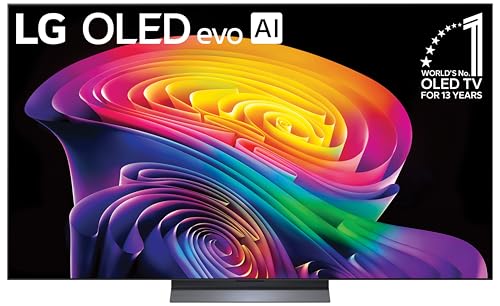
If you need high-end gaming capabilities alongside value, the LG 65-Inch Class OLED AI 4K B6 Series Smart TV delivers brilliant contrast at an accessible entry point. Choosing among 5 models comes down to matching room lighting with panel performance. For related setup advice, explore our guide on IPS, OLED & LED Panels technology choices.


Best Ultra Slim OLED TVs Buying Guide for 2026
Panel Profile and Wall Mount Options
Ultra thin televisions transform how your living room feels by blending smoothly into modern walls. The slim chassis allows flush mounting, minimizing the gap between the display housing and your drywall. You must consider cable routing early because rear ports need proper clearance when mounted flush.
Thin designs also require careful handling during installation to prevent bending delicate panel edges. Selecting a rigid mounting bracket ensures structural stability while retaining that clean, architectural aesthetic. Take time to measure your wall studs before installing heavy hardware.
OLED versus QD-OLED Panel Technology
Standard OLED screens rely on self-lit pixels that turn off completely for perfect dark scenes. Quantum Dot OLED panels add a layer of color converters that boost peak highlights significantly. This extra brightness helps combat glare in sunny living spaces without losing pitch black detail.
If your media room has controlled lighting, classic OLED panels offer natural colors and deep black levels. Viewers in brightly lit environments will benefit from Quantum Dot enhancements for punchier HDR scenes. For display comparison tips, check out our review of 4K, 6K & 8K Monitors.
Processor Performance and AI Upscaling
Modern slim displays rely heavily on neural network processors to enhance standard-definition content. Powerful chips analyze incoming signals frame by frame to clean up noise and sharpen fine details. Superior upscaling makes legacy video feeds look crisp on high-resolution panels.
Advanced image processors also manage dynamic tone mapping across high dynamic range formats. This real-time processing preserves highlight details that would otherwise wash out on screen. Faster chips ensure smooth menu navigation and rapid app switching during daily use.
Gaming Specs and Refresh Rates
Console and PC gamers need fast response times to eliminate ghosting during high-speed action games. Modern displays support 120Hz to 165Hz refresh rates with variable refresh rate support. Variable frame sync prevents screen tearing across demanding gaming titles.
Low input lag ensures your controller actions register instantly without perceptible delay on screen. Dedicated gaming hubs consolidate audio settings, frame counters, and display modes into one easy overlay menu. If you build PC setups, view our guide on Gaming Monitors for cross-platform advice.
Smart Platforms and AI Assistants
Operating systems dictate how quickly you access streaming media and adjust system preferences daily. Platforms like Google TV and webOS organize recommendations based on your viewing history and favorite subscriptions. Voice assistant integration allows hands-free searching for movies, cast members, or settings adjustments.
Built-in smart ecosystems also connect with home automation devices across your local network. System updates keep streaming applications compatible with new audio and video encoding formats over time. Reliable wireless connectivity ensures steady streaming throughput for dense ultra-high-definition streams.
Audio Output and Slim Sound Solutions
Extremely thin cabinets restrict the size of internal speakers, making low-frequency bass reproduction challenging. Acoustic surface technologies use spatial audio processing to project sound directly through the panel glass. This design aligns speech directly with on-screen actors for better dialogue clarity.
Adding an external sound bar remains the most reliable strategy for cinematic audio performance. Look for eARC support to transmit uncompressed multi-channel audio directly to your audio receiver. Proper sound integration turns a thin panel into a true home theater focal point.
How We Evaluated
We evaluated key specifications across 5 models, focusing on contrast performance, panel chassis depth, and processing features. Our analysis compares published specs, verified connectivity protocols, and mounting standards from leading brands like Samsung, Sony, LG.
We prioritized objective feature comparisons such as native refresh rates, HDR format compatibility, and anti-reflective panel coatings. By analyzing real-world use cases, we identified which displays offer the best balance of aesthetic design and performance for 2026.
Common Mistakes to Avoid
Ignoring cable management during wall installation is a common mistake when mounting ultra-thin displays. Thick standard HDMI cables can force the television away from the wall, ruining a flush mounting setup. Choose slim or right-angle cables to keep your installation tidy.
Selecting a panel size solely based on wall dimensions without considering viewing distance leads to eye fatigue. A screen that is too large for your seating distance makes motion tracking uncomfortable during fast movies. Measure your viewing distance to match the proper diagonal screen size.
Overlooking room lighting conditions often results in disappointing daylight viewing experiences. Mounting an OLED directly opposite unshaded windows causes reflections that obscure dark movie details. Position your screen away from direct sunlight or install light-control curtains.
Assuming internal speakers provide adequate audio power for large living spaces leads to thin sound quality. Slim chassis designs have limited cabinet space for deep bass drivers. Budget for a compact sound bar to match your visual experience with rich audio.
Buying Checklist
- Verify that your wall mount bracket supports ultra-thin flush installation patterns.
- Confirm the display provides HDMI 2.1 ports for 4K video playback at high refresh rates.
- Check that the panel includes anti-glare treatment if used in bright rooms.
- Ensure your preferred streaming apps run natively on the television platform.
- Measure wall space and cable routing channels before hanging heavy mounting brackets.
- Validate eARC port support if connecting external sound bars or audio receivers.
- Review variable refresh rate support if you intend to connect current gaming consoles.
Final Thoughts
Upgrading your living space with slim panel technology elevates both room aesthetics and image quality. For most home entertainment enthusiasts, the Sony 65 Inch BRAVIA 8 II QD OLED 4K HDR delivers an unparalleled balance of color accuracy and intelligent processing. Its refined design makes it a standout center for home theater setups.
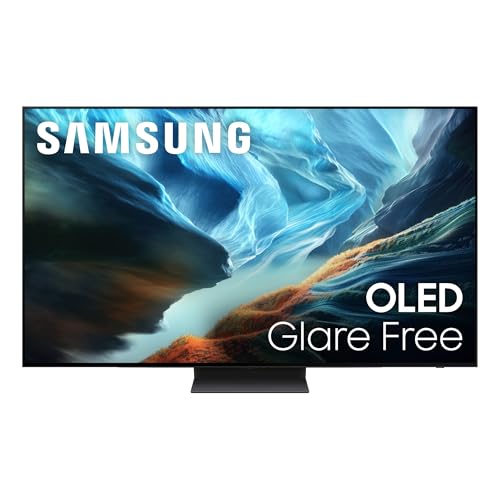
Budget-conscious buyers who still demand deep contrast and high refresh rates should consider the LG 65-Inch Class OLED AI 4K B6 Series Smart TV. Meanwhile, gamers and brightly lit living rooms will appreciate the vibrant output of the LG 65-Inch Class OLED evo AI 4K C6 Series Smart TV. For smaller offices or bedrooms, the compact Samsung 48-Inch Class S90H Series, OLED, 4K delivers exceptional performance.
Selecting the ideal display transforms how you experience movies, streaming series, and live sports at home. Consider your room layout, ambient lighting, and primary media sources before making your final selection. To learn more about modern display technologies, explore our overview of Computer Displays.
FAQs
Why should I choose Best Ultra Slim OLED TVs over standard LED models in 2026?
Ultra thin OLED displays use self-lit pixels that eliminate bulky backlight modules. This allows razor-thin profiles while delivering perfect dark levels, infinite contrast, and wide viewing angles that standard LED screens cannot match.
Are Best Ultra Slim OLED TVs difficult to mount on standard drywall?
Mounting thin screens requires careful stud location and appropriate hardware because slim panels require handling with extra care. Using a dedicated flush mount ensures the display sits tight against the drywall for a clean look.
How do dynamic light reflections affect ultra-thin OLED screens?
Reflections can obscure dark details in brightly lit rooms with direct sunlight. Premium models incorporate specialized anti-reflective coatings or higher peak brightness panels to maintain visibility during daytime viewing.
What refresh rate should I target for gaming on slim OLED displays?
Target screens supporting 120Hz to 165Hz refresh rates alongside variable refresh rate technologies like G-SYNC or FreeSync. High refresh rates paired with instant pixel response times deliver smooth, tear-free motion for gaming.
Do thin television panels require external sound bars for good audio?
While acoustic surface technology projects sound directly through the screen, thin cabinets limit low-end bass frequencies. Adding an external sound bar or surround sound system creates a balanced cinematic audio environment.
Can upscaling algorithms improve standard HD content on 4K screens?
Yes, modern neural network processors analyze lower-resolution signals in real time to increase clarity and reduce noise. For details on display density, read our guide on Best Hi Res Monitors for Productivity and Comfort.
What is the advantage of QD-OLED over conventional OLED screens?
Quantum Dot OLED technology combines pure black levels with vibrant color layers for higher peak brightness. This combination enhances high dynamic range content without sacrificing deep contrast performance.
How do I prevent image retention on thin OLED panels?
Modern displays include built-in pixel maintenance cycles and automatic brightness limiters to preserve panel health. Simply leaving the television connected to power allows these automatic maintenance features to run when turned off.


