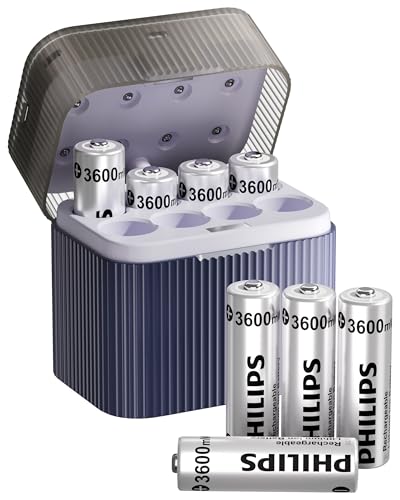
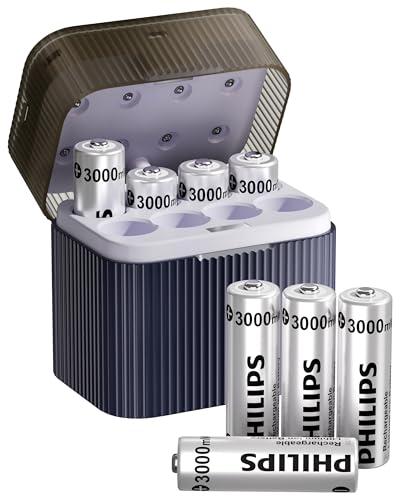
For high-drain electronics and frequent daily use, the PHILIPS Rechargeable AA Lithium Batteries 8 Pack is our top recommendation. It delivers a regulated 1.5-volt output with a large 3600mWh capacity, eliminating the performance drop common in older rechargeables across 7 evaluated options for October 2026.
If you prefer maintenance-free disposable cells for emergency storage or outdoor cameras, the Energizer Ultimate Lithium AA Batteries (8 Pack) provides unmatched shelf life and extreme temperature resilience. Budget buyers needing bulk cells for low-drain remotes and clocks can check our device maintenance guides for everyday optimization tips.



Best AA Batteries for Long Life: Durable Power Buying Guide
Battery Chemistry: Lithium vs. Alkaline
Selecting the right battery chemistry is the foundational step when shopping for durable double A power sources. Standard alkaline batteries offer affordable power for low-drain gadgets, yet they suffer from gradual voltage drop and potential chemical leaks over time.
Modern lithium chemistry provides significantly higher energy density, lighter weight, and flat discharge curves that keep devices operating at full speed. For high-tech setups or users managing computer displays and desktop peripherals, lithium cells prevent sudden mid-task dropouts.
Rechargeable lithium-ion cells now include internal step-down buck converters that maintain a precise 1.5V output until depleted. This design eliminates the sluggish behavior often seen when using traditional 1.2V nickel-metal hydride alternatives in sensitive electronics.
Voltage Stability and High-Drain Performance
High-drain devices like motorized toys, wireless gamepads, and digital camera flashes demand consistent energy delivery without sudden slumps. Traditional alkaline cells start at 1.5V but quickly drop to 1.2V or lower under load, causing early low-battery warnings.
Premium lithium rechargeable options hold a flat 1.5-volt rail across their entire discharge cycle before cutting off cleanly. This steady voltage guarantees peak motor torque and wireless signal stability until the stored charge is completely exhausted.
Energy Capacity: Milliamps vs. Milliwatt-Hours
Comparing battery capacity requires looking at both milliampere-hours (mAh) and milliwatt-hours (mWh) to judge total work output accurately. While disposable lithium cells like the POWEROWL Lithium Batteries AA 16 Pack boast up to 3400mAh, rechargeable lithium cells specify ratings like 3600mWh.
To calculate watt-hours from milliamp-hours, multiply the nominal voltage by the mAh rating and divide by one thousand. A 3400mAh cell at 1.5V yields roughly 5.1Wh, representing top-tier endurance for smart door locks and remote security sensors.
Users pairing power packs with workspace devices can check our desktop external equipment overview to match power needs properly. Higher capacity always translates into longer intervals between replacements or charges.
Shelf Life and Self-Discharge Rates
Standby power longevity determines whether backup batteries remain operational when stored in emergency kits or seldom-used remotes. Top disposable lithium cells provide up to 25 years of shelf life, while quality alkaline units average around 10 years.
Rechargeable lithium cells feature advanced low self-discharge designs that lose less than 3% to 5% of their capacity monthly. This low dissipation ensures you can pull fully charged cells from a drawer months later without immediate recharging.
Operating Temperatures and Leak Proofing
Extreme outdoor weather frequently paralyzes conventional alkaline batteries by causing internal chemical reactions to slow down drastically. In contrast, specialized lithium chemistries operate reliably from -40 degrees Fahrenheit up to 140 degrees Fahrenheit without failure.
Multi-layer safety seals and durable casing designs also protect delicate device contacts from corrosive electrolyte leaks. Investing in leak-proof engineering preserves costly equipment like smart cameras and sensitive wireless hardware over extended periods.
Charging Efficiency and Storage Integration
Reusable lithium options bring convenience through unified Type-C charging stations and dedicated storage boxes. Independent multi-slot docks supply regulated 5V current, replenishing full battery sets within 2.5 hours without damaging internal circuits.
Built-in quad-layer protection circuits shield individual cells against overcharge, over-discharge, short circuits, and dangerous overheating. These intelligent safeguards ensure unattended overnight charging remains safe and dependable across hundreds of cycles.
| Battery Chemistry | Nominal Voltage | Typical Lifespan | Best Application |
|---|---|---|---|
| Disposable Lithium | 1.5V Constant | 10 to 25 Year Shelf Life | Outdoor Cameras, Smart Locks, Emergency Kits |
| Rechargeable Li-ion | 1.5V Regulated | 1200+ Cycles (≤3% monthly loss) | Gaming Controllers, VR Gear, High-Drain Gadgets |
| Alkaline | 1.5V (Sloping to 0.9V) | 5 to 10 Year Shelf Life | Clocks, Low-Drain Remotes, Bulk Household Use |
How We Evaluated
We analyzed the 7 models in this guide by examining manufacturer specifications, verified discharge curves, and chemistry integrity. Our evaluation prioritized constant voltage delivery, cold-weather resilience, cycle durability, and leak prevention mechanisms across different household drain profiles.
We also compared long-term ownership value by balancing initial purchase prices against total energy output and recharge cycle ratings. This objective data analysis ensures our recommendations match real-world household demands without brand bias.
Common Mistakes to Avoid
Mixing different battery chemistries or combining fresh and depleted cells inside one device is a frequent error. This practice causes uneven discharge, reduces total device runtime, and can lead to dangerous overheating or reverse charging.
Installing standard rechargeable lithium cells into incompatible hardware like 3V smoke alarms or specialized doorbell systems creates functional failures. Always verify device voltage requirements to prevent triggering low-battery alarms or damaging sensitive internal circuitry.
Relying on cheap alkaline batteries for high-drain motorized equipment or outdoor cameras wastes money rapidly. Alkaline cells lose capacity quickly under heavy loads and freeze in winter conditions where lithium alternatives excel.
Overlooking charging hardware specifications when using rechargeable lithium cells can reduce their overall lifespan. Using unauthorized high-voltage fast chargers without proper 5V regulation risks tripping internal thermal cutoff switches.
Buying Checklist
- Verify device voltage compatibility, noting whether standard 1.5V or specialized 3V power is required.
- Choose lithium chemistry for outdoor security cameras exposed to freezing winter or scorching summer weather.
- Select rechargeable lithium packs with at least 3000mWh capacity for heavy daily wireless gaming controllers.
- Check for integrated quad-layer safety protection against short circuits, overcharging, and overheating.
- Confirm whether the rechargeable kit includes a dedicated USB Type-C charging station or requires external hardware.
- Look for a minimum 10-year leak-free shelf life guarantee when purchasing disposable cells for emergency storage.
- Inspect battery dimensions and casing quality to guarantee smooth fitment within tight electronic battery compartments.
Final Thoughts
Selecting the right power cells eliminates the frustration of dead controllers during gaming sessions or offline security cameras during cold snaps. For heavy everyday use, the PHILIPS Rechargeable AA Lithium Batteries 8 Pack represents our top overall recommendation due to its massive 3600mWh capacity and 1200-cycle life.
If you require unmatched standby reliability and extreme temperature tolerance for smart locks or trail cameras, the Energizer Ultimate Lithium AA Batteries (8 Pack) serves as the premier single-use solution. Meanwhile, budget shoppers outfitting simple clocks and TV remotes will find excellent bulk value in the Amazon Basics 48-Pack AA Alkaline High-Performance.
Matching your device drain profile with the correct cell chemistry ensures reliable performance and prevents wasteful spending. For more advice on setting up efficient workstations, browse our desktop monitors guide and related hardware resources.
Frequently Asked Questions
What are the key features of the Best AA Batteries for Long Life: Durable Power in 2026?
Top power cells feature high energy density, constant 1.5V output, low self-discharge rates below 3% monthly, and durable leak-proof casings. These qualities keep high-drain and standby electronics running smoothly.
Why do rechargeable lithium AA batteries outperform traditional Ni-MH batteries?
Rechargeable lithium cells maintain a constant 1.5-volt output throughout their discharge cycle, whereas Ni-MH batteries supply only 1.2 volts. This higher steady voltage prevents lag and early shutdowns in modern electronics.
Can I use rechargeable lithium AA batteries in smoke detectors and doorbell cameras?
Most rechargeable 1.5V lithium batteries are not recommended for smoke alarms or specialized 3V wireless doorbell cameras. These security devices require specific discharge characteristics and specialized voltages to monitor remaining battery life accurately.
How many times can high-capacity rechargeable AA lithium batteries be recharged?
Quality lithium-ion AA cells support up to 1,200 recharge cycles while maintaining low internal resistance. They feature zero memory effect and recover cleanly even after deep discharge down to 0V.
Are disposable lithium batteries better than alkaline batteries for outdoor cameras?
Disposable lithium batteries drastically outperform alkaline cells in outdoor environments because they operate between -40°F and 140°F. Their chemistry delivers steady current in sub-zero winter temperatures where alkaline cells freeze and fail.
How does milliwatt-hour capacity compare to milliampere-hour ratings?
Milliwatt-hours measure total energy by multiplying milliamp-hours by operating voltage. A 3000mWh battery running at 1.5V provides approximately 2000mAh of continuous work capacity for your connected devices.
What charging adapter is recommended for USB Type-C battery charging cases?
Most smart battery charging cases operate best with standard 5V/2A or 5V/3A USB wall adapters, power banks, or computer ports. For more display setup tips, explore our guide to gaming monitors.
How long can unused double A batteries sit in storage before losing charge?
Premium disposable lithium batteries boast shelf lives up to 25 years, while standard alkaline cells typically last 10 years. Rechargeable lithium batteries retain most of their charge with monthly self-discharge rates under 3%.