Finding the ideal entry solution for your entryway can dramatically streamline daily routines while elevating residential security. Among 10 models compared in September 2026, the SwitchBot Lock Vision Pro Smart Lock earns our recommendation for overall performance due to its advanced 3D face recognition and multi-modal biometrics. For step-by-step smart house automation setup tips, check out our comprehensive How To section.
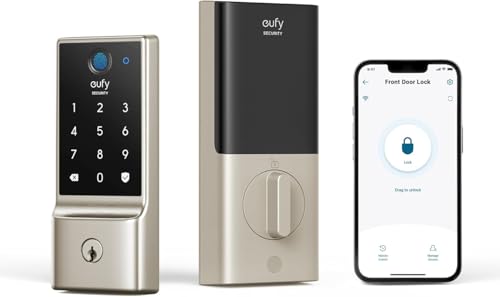
If you prefer a budget-friendly model with Apple Home integration, the eufy Security Smart Lock C34 delivers exceptional value without compromising reliable keyless access. This versatile lock operates smoothly with major voice assistants and offers robust keypad options for busy households.

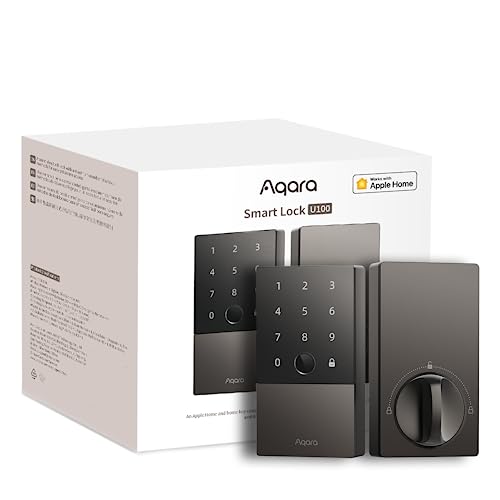


Best Keyless Door Locks for Smart Homes Buying Guide for 2026
Biometric and Multi-Factor Access Methods
Modern smart locks have evolved beyond standard keypads to offer biometrics like fingerprint scanning, 3D face recognition, and palm vein reading. Quick fingerprint sensors eliminate the need to carry physical keys or remember numeric codes. Advanced scanners read unique sub-surface patterns, which prevents artificial prints from gaining unauthorized entry.
Multi-factor access provides added flexibility when family members or service personnel enter your home. Models with integrated keypads allow temporary guest codes, while NFC reader capabilities allow quick tap access. Choosing a device with multiple entry options ensures that everyone in the family can unlock the door comfortably.
Smart Ecosystem and Protocol Compatibility
Seamless communication with platforms like Apple Home, Google Home, and Amazon Alexa is crucial for unified home automation. Devices supporting Matter over Thread offer local control with minimal latency and lower power consumption. Thread networks automatically reroute data paths if a device goes offline, ensuring stable connectivity across your network environment.
If you prefer a simpler installation without external hubs, native Wi-Fi locks connect directly to standard routers. However, direct Wi-Fi models may consume battery power faster than low-energy Thread or Zigbee protocols. When setting up connected accessories in your home office, browse our guide on Computer Monitors & Displays for layout inspiration.
Battery Management and Emergency Backup Power
Battery life varies widely depending on wireless protocols, motor drive power, and daily operation frequency. Most battery-operated deadbolts use standard AA batteries or high-capacity rechargeable packs that last between six and eighteen months. Real-time app notifications alert you well before battery reserves fall to critical levels.
Emergency backup mechanisms prevent unexpected lockouts when batteries drain completely. Physical key overrides, exterior USB-C power terminals, or emergency secondary battery cells provide reliable access options during power emergencies. Checking for physical keyholes or external power ports guarantees you remain prepared for unexpected battery drain.
Security Ratings and Physical Build Durability
Physical strength is just as essential as digital encryption when evaluating front door security hardware. Look for hardware certified by the Builders Hardware Manufacturers Association (BHMA) for residential durability and impact resistance. Heavy-duty zinc alloy casings and hardened steel deadbolt latches withstand external tampering attempts effectively.
Exterior housings must also handle local weather conditions without electronic degradation. An IP65 weather-resistance rating ensures internal circuits remain dry during heavy rain or freezing temperatures. If you organize home technology alongside desktop setups, explore our resource on Desktop & External Monitors for workspace management.
Access Code Management and Activity Tracking
Flexible code management allows homeowners to issue permanent, recurring, or temporary access credentials to guests and service workers. App-based controls enable immediate code revocation whenever necessary, eliminating the security risks associated with lost physical keys. Time-restricted passcodes automatically expire after specified schedules conclude.
Comprehensive audit logs display real-time notifications whenever someone operates the deadbolt mechanism. Detailed logs confirm exact entry times, enabling parents to track when children return home from school. Built-in tamper sensors also trigger audible alarms if unauthorized users attempt to force the outer housing.
How We Evaluated
Our evaluation process focuses on rigorous, data-driven analysis of published technical specifications, hardware certifications, and real-world compatibility data. We compared biometric accuracy, wireless protocol performance, battery longevity, and installation mechanics across top smart lock manufacturers. This objective assessment ensures our recommendations balance digital security with daily operational convenience.
We also analyzed build quality ratings, weatherproofing standards, and emergency override mechanisms to identify potential operational trade-offs. By examining user workflow integration and smart home system interoperability, we offer transparent guidance tailored to diverse homeowner requirements and physical door configurations.
Common Mistakes to Avoid
One frequent mistake is failing to measure door backset dimensions, door thickness, and crossbore hole sizes before purchasing. Standard residential deadbolts require specific backset spacing, and non-standard doors may require mechanical adjustments during installation. Always measure your existing door setup accurately to prevent alignment issues.
Another common error is ignoring network protocol requirements, such as purchasing a Thread lock without a compatible Thread border router. Without the required hub, advanced remote management features will not function correctly. Furthermore, selecting locks without weather-sealed outer housings leads to premature electronic failure on exterior doors exposed to harsh weather.
Lastly, home owners often neglect setting up emergency power options or physical backup keys. Relying solely on electronic unlocking without keeping secondary access solutions ready can result in unexpected lockouts during severe power depletion.
Buying Checklist
- Verify that door thickness is between 1-3/8 inches and 1-3/4 inches for standard deadbolt cutouts.
- Confirm existing backset measurement is either 2-3/8 inches or 2-3/4 inches.
- Check whether your preferred smart ecosystem requires a Matter over Thread border router or 2.4 GHz Wi-Fi.
- Ensure the lock body carries an IP65 or IP53 weather resistance rating for exterior use.
- Confirm the presence of an emergency USB-C terminal or physical key cylinder.
- Determine how many unique biometric profiles or custom passcodes your household requires.
- Verify BHMA grading standards for physical security and latch durability.
Final Thoughts
Selecting the right entry system upgrades both household safety and everyday convenience. For homeowners seeking the most advanced biometric technology, the SwitchBot Lock Vision Pro Smart Lock stands out with its fast 3D face recognition and palm vein sensor. Its multi-modal access options ensure effortless entry for every family member regardless of age.
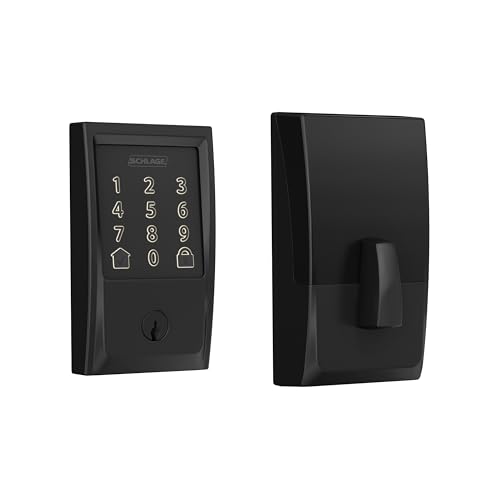
For readers focused on budget efficiency and Apple ecosystem integration, the eufy Security Smart Lock C34 offers excellent remote management features at an approachable price point. If you want maximum physical durability with certified BHMA ratings, the Schlage Encode Smart WiFi Deadbolt Lock delivers robust security and dependable built-in alarms. For additional high-tech hardware reviews, check out our guide on 4K, 6K & 8K Monitors.
FAQs
What is the top pick for Best Keyless Door Locks for Smart Homes in 2026?
The SwitchBot Lock Vision Pro Smart Lock is our overall top pick for 2026 due to its comprehensive 3D face recognition, palm vein scanning, and broad ecosystem compatibility.
Do keyless smart locks work during power outages?
Yes, most keyless smart locks operate on internal battery power independent of home electrical wiring. Physical backup keys or external USB-C power ports allow access even if the batteries run out completely.
Are keyless smart deadbolts easy to install on standard doors?
Most modern deadbolts are designed for straightforward DIY installation using standard screwdrivers. They fit standard crossbore holes and backsets without requiring professional locksmith tools or drilling.
How does Apple Home Key technology work on smart locks?
Apple Home Key allows users to unlock their door by tapping an iPhone or Apple Watch against the lock housing. The credential stores securely inside the Apple Wallet app and operates even if device batteries are depleted.
What happens if the smart lock battery drains completely?
Locks usually feature low-battery warnings weeks before draining. If fully depleted, you can jump-start the keypad using an external power bank via USB-C or use a physical key override.
Is a dedicated hub necessary for Best Keyless Door Locks for Smart Homes?
It depends on the model. Built-in Wi-Fi locks connect directly to your router, while Thread or Zigbee models require a compatible hub for out-of-home remote control. You can learn more about display and control accessories in our Best External Monitors overview.
Can I share temporary access codes with guests remotely?
Yes, mobile companion apps allow you to generate scheduled or one-time passcodes. You can share these passcodes via text message and revoke them at any time from your smartphone.