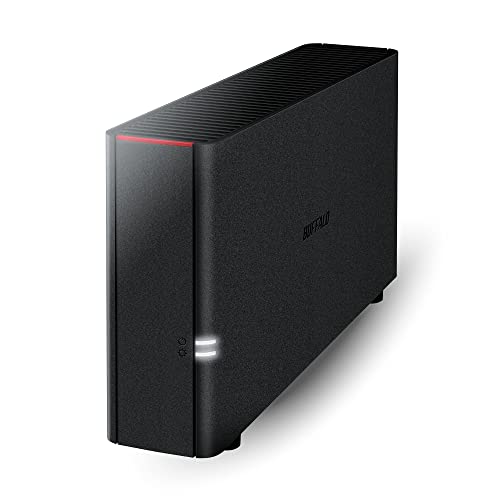

Finding the Best DLNA Hard Drives in September 2026 requires choosing between dedicated network storage and high-capacity USB drives plugged into a media router. For most home networks, the BUFFALO LinkStation 210 6TB 1-Bay NAS Network offers the simplest setup with pre-configured cloud access and built-in media streaming capabilities. It operates independently without requiring a host computer to remain powered on constantly.
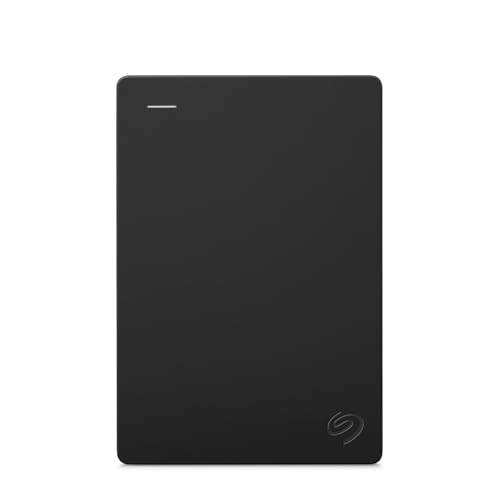
If you prefer a simpler direct-attach option to plug into your smart TV or USB-enabled router, the Seagate Portable 5TB External Hard Drive HDD delivers vast storage at an accessible point. If you are building a full home media setup, exploring our guide to Desktop & External Monitors can also help optimize your overall desk configuration. Comparing 5 models from top brands like WD, Seagate, BUFFALO and more helps ensure your local media library streams without buffering.


Best DLNA Hard Drives Buying Guide for 2026
Network Attached Storage vs Direct USB Storage
Choosing between a dedicated Network Attached Storage (NAS) unit and a direct USB drive represents the primary decision for home media streaming. A NAS device connects directly to your router via Ethernet, allowing any DLNA player or smart TV on your network to stream content independently. This eliminates the need to leave a desktop computer running continuously.
Direct USB hard drives are simpler and generally more affordable per gigabyte. However, to function as a DLNA media server, they must remain plugged into a supported router or an active computer running DLNA server software. For users seeking effortless media distribution across multiple rooms, dedicated network drives offer superior reliability and seamless playback.
Capacity Requirements for High-Definition Video
Media libraries expand quickly when storing uncompressed audio tracks and high-definition video collections. A standard 1080p movie file requires between three to eight gigabytes of space, while high-bitrate 4K content can exceed fifty gigabytes per file. Selecting sufficient storage prevents frequent file management and capacity bottlenecks.
For extensive video libraries, drive capacities of 5TB or 6TB provide comfortable growth room. Smaller options like 500GB drives work well for music collections or selective video backups. If you stream content to 4K, 6K & 8K Monitors, choosing a higher-capacity drive ensures you can store full-quality uncompressed video files.
Drive Read Speeds and Network Bandwidth
Smooth video streaming requires consistent data transfer speeds to avoid video stuttering or buffering interruptions. Standard 5400 RPM mechanical drives typically deliver read speeds around 100 to 140 megabytes per second. This performance is more than sufficient for streaming high-bitrate video to several devices at once.
The true performance bottleneck in DLNA streaming usually stems from local network bandwidth rather than hard drive speed. Connecting your media storage through Gigabit Ethernet or USB 3.0 ports guarantees sufficient data throughput for uninterrupted multi-room playback.
Operating System and File System Compatibility
Formatting determines how easily your media drive interacts with computers, routers, and streaming hardware. Standard exFAT or NTFS file systems work seamlessly across Windows machines and most USB-enabled routers. However, macOS users may need dedicated software or reformatting to enable write access.
Dedicated network drives resolve file system friction by managing their own operating systems. They serve files over standardized network protocols, allowing Mac, Windows, Linux, and Android devices to access media simultaneously without reformatting issues.
Hardware Security and Data Encryption
Protecting your media archive and personal backups from unauthorized access or ransomware threats is crucial for network storage devices. Many portable drives include 256-bit AES hardware encryption to protect files if the device is lost or stolen.
Network storage units utilize user permissions, password controls, and closed operating systems to prevent third-party security vulnerabilities. Maintaining separate user accounts ensures family members can access shared media while personal documents remain private.
Portability and Power Delivery
Bus-powered portable drives draw electricity directly from the host USB port, eliminating the need for bulky external power adapters. This makes them exceptionally easy to move between computers, routers, and travel laptops.
Larger desktop NAS drives require dedicated AC power wall adapters to run their internal mechanical disks and network processing hardware. Choosing between portable convenience and permanent desktop stability depends on your intended media setup.
How We Evaluated
We analyzed technical specifications, drive RPM speeds, interface protocols, and network compatibility across leading storage manufacturers. Our evaluation focused on streaming throughput, hardware encryption capabilities, and long-term reliability for local media hosting.
Each model was assessed based on ease of integration into home networks, cross-platform file compatibility, and overall value. For broader display setup options, explore our guide to Computer Monitors & Displays.
Common Mistakes to Avoid
A frequent error is assuming any external USB hard drive automatically functions as an independent DLNA server. USB drives require a host computer or a router with built-in media server software to stream content across your network.
Ignoring file system compatibility during initial setup is another common pitfall. Formats like NTFS may offer limited write capabilities on macOS unless configured properly before transferring large video collections.
Connecting a media drive to outdated USB 2.0 router ports will severely throttle data transfer speeds. Always connect drives to USB 3.0 ports or Gigabit Ethernet ports to maintain buffer-free streaming.
Overlooking automated backup strategy can result in total data loss if a single drive fails. Maintaining secondary backups of irreplaceable media files is essential for long-term data security.
Buying Checklist
- Confirm whether you need a standalone NAS or a USB drive for router attachment.
- Check that your router supports DLNA media server functionality if using USB drives.
- Select a storage capacity that accounts for future 4K and HD media growth.
- Verify USB 3.0 or Gigabit Ethernet interface support for adequate bandwidth.
- Ensure file system formatting matches your primary desktop operating system.
- Look for 256-bit AES hardware encryption if physical security is a concern.
- Check whether the drive requires an external AC power adapter or runs on USB power.
- Verify warranty coverage and included data recovery or backup software features.
Final Thoughts
Selecting the right storage solution for your media library transforms how you access entertainment throughout your home. For a complete standalone network media server, the BUFFALO LinkStation 210 6TB 1-Bay NAS Network is our top overall recommendation thanks to its dedicated streaming architecture and generous capacity.
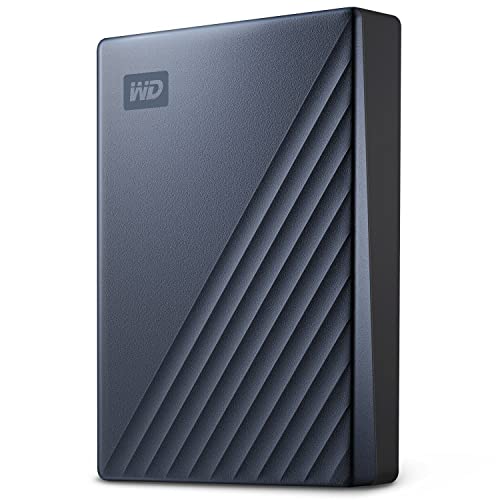
If you want portable high-capacity storage to attach to a media router or PC, the Seagate Portable 5TB External Hard Drive HDD offers exceptional storage volume and simple plug-and-play functionality. For users seeking modern USB-C connectivity with hardware-level security, the WD 5TB My Passport Ultra, Blue is an outstanding versatile choice.
Budget-conscious buyers with smaller media files will find the compact MICCOO 500GB External Hard Drive HDD highly practical. To complement your home media workstation, check out our insights on the best external computer monitors for comfort at work.
Frequently Asked Questions
What is the top-rated option among Best DLNA Hard Drives in 2026?
The BUFFALO LinkStation 210 6TB 1-Bay NAS Network stands out as a premier network media storage choice in 2026. Its built-in media server software allows seamless streaming to smart TVs and mobile devices without keeping a host computer turned on.
Can I use any external USB hard drive as a DLNA media server?
Yes, but only if the USB drive is connected to a device running DLNA server software. This could be a desktop computer, a dedicated media server, or a Wi-Fi router equipped with built-in DLNA media sharing features.
What storage capacity do I need for streaming high-definition movies?
For standard HD content, a 500GB to 2TB drive provides sufficient space for hundreds of movies. However, if you store uncompressed 4K video files, opting for 5TB or 6TB capacities ensures long-term room for expansion.
Do network attached storage drives require paid subscription fees?
No, network storage devices like the BUFFALO LinkStation provide a private personal cloud without recurring monthly subscription fees. You own the hardware and control your data locally.
Is a 5400 RPM hard drive fast enough for streaming 4K video?
Yes, a 5400 RPM mechanical drive typically transfers data at 100MB/s or faster. This easily exceeds the bandwidth required for streaming high-bitrate 4K video, which usually requires 25MB/s to 50MB/s.
How do I stream media from a hard drive to a smart TV?
You can connect a dedicated NAS drive to your network router or plug a USB drive directly into a router or smart TV USB port. Once connected, open your TV’s media player app to browse and play stored files over DLNA.
Can external hard drives be used on both Mac and Windows computers?
Most drives come formatted for Windows out of the box but can be reformatted to exFAT for full read and write compatibility on both macOS and Windows. If you also need display solutions, see our guide to best HDMI monitors for comfort and value you can trust.
What is the difference between USB-C and USB 3.0 for media streaming?
USB-C refers to the physical connector shape, while USB 3.0 refers to data transfer speed standards. Both offer more than enough speed for smooth media playback across home network devices.


