

Choosing the Best External Hard Drives for Desktops in October 2026 depends on whether you prioritize massive file storage or ultra-fast transfer speeds. For high-volume archiving and workstation backups, the WD 20TB Elements Desktop External Hard Drive delivers exceptional capacity for heavy desktop projects.
If your daily workflow demands rapid file transfers and compact portability, the Sandisk 1TB Extreme Portable SSD offers top-tier responsiveness. Users looking to streamline their desktop and external display setup can quickly find an option that matches their hardware configuration. Check Price on Amazon →

Best External Hard Drives for Desktops Buying Guide
Transfer Speed and Connectivity Interfaces
Data transfer performance depends directly on the internal drive technology and the USB interface. Traditional external hard drives max out around 140MB/s to 250MB/s over USB 3.0 connections. Solid-state drives deliver speeds up to 2000MB/s when connected to compatible USB 3.2 Gen 2×2 ports.
If you regularly move massive video folders or software libraries, high-speed solid-state drives save significant time during transfers. Mechanical drives remain ideal for static archives where transfer patience is acceptable in exchange for lower cost per gigabyte.
Storage Capacity vs Cost Efficiency
Determining your storage requirements helps prevent buying unnecessary capacity or running out of space prematurely. High-capacity mechanical drives provide vast terabyte totals at an accessible entry price for permanent workstation backups.
Solid-state drives command higher prices per gigabyte but offer far greater speed and physical durability. Readers exploring our How To guides often find that pairing a small boot SSD with a high-capacity external drive yields optimal efficiency.
Desktop Power Requirements and Form Factor
External drives split into desktop-class units and bus-powered portable options. Desktop drives require an external AC power adapter to spin high-capacity 3.5-inch platters reliably over long sessions.
Bus-powered portable drives pull energy directly through the USB cable from your desktop system. Portable drives reduce cable clutter behind your desk, while desktop drives offer far higher maximum capacity limits for permanent workstations.
Build Quality and Environmental Protection
Physical durability matters if you transfer drives between multiple computers or travel frequently. Solid-state drives contain no moving parts, making them inherently resistant to shocks, vibrations, and minor desk bumps.
Rugged SSD models add rubberized outer bumpers and ingress protection against dust and water spills. Mechanical hard drives require gentle handling during operation, as physical shocks can damage internal spinning platters and read heads.
Data Security and Hardware Encryption
Protecting sensitive client assets or personal records requires reliable drive security features. Built-in 256-bit AES hardware encryption secures files directly on the controller without degrading desktop system performance.
Password protection software ensures unauthorized users cannot access data if the physical drive is moved to another computer. Reviewing security protocols helps maintain complete data privacy across shared desktop environments.
| Drive Type | Typical Max Speed | Power Source | Best Use Case |
|---|---|---|---|
| Desktop HDD | Up to 250 MB/s | AC Adapter | Mass Archiving & Backups |
| Portable HDD | Up to 140 MB/s | USB Bus Power | Basic File Storage |
| Portable SSD | Up to 2000 MB/s | USB Bus Power | Active Editing & Quick Transfers |
How We Evaluated
We analyzed 5 leading drives across Seagate, Western Digital, Sandisk to determine the most reliable options available in October 2026. Our evaluation focused on objective manufacturer specifications, interface speed ratings, thermal management, and power delivery standards.
We evaluated how each drive performs across routine desktop backup routines and heavy file transfer scenarios. By contrasting physical durability ratings against cost per gigabyte, we identified which drives serve specific user needs best.
Common Mistakes to Avoid
One common mistake is plugging a high-speed NVMe SSD into a legacy USB 2.0 or basic USB 3.0 port. Bottlenecked ports cap transfer rates well below the drive capacity, wasting the performance potential of premium solid-state storage.
Another error is choosing a high-capacity desktop drive without planning for power outlets near your workstation setup. Desktop 3.5-inch external drives require continuous AC wall power and will not function on USB cable power alone.
Finally, users frequently forget to verify file system formatting compatibility between Windows PCs and macOS systems. Pre-formatted NTFS drives require reformatting to exFAT for seamless cross-platform read and write operations.
Buying Checklist
- Verify your desktop PC has available USB 3.2 Gen 2 or Gen 2×2 ports for maximum SSD transfer speeds.
- Confirm available AC power outlets near your desk if buying a 3.5-inch high-capacity desktop drive.
- Select drive capacity based on expected data growth over the next three years of ownership.
- Check hardware encryption requirements if storing confidential personal or commercial files.
- Ensure the included USB cable length reaches your preferred desktop placement location comfortably.
- Determine whether rugged drop and water protection features are necessary for your workspace environment.
- Confirm file system format compatibility with all computer operating systems in your workflow.
Final Thoughts
Selecting among the Best External Hard Drives for Desktops comes down to your personal balance of speed, physical size, and overall capacity needs. For users who require vast archival capacity for system backups, the WD 20TB Elements Desktop External Hard Drive delivers exceptional value for stationary workstations.
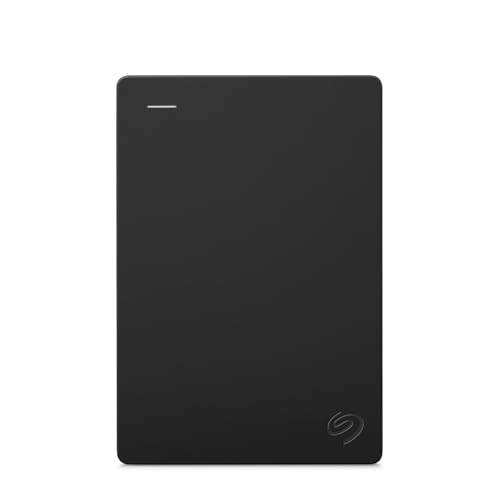
If you need maximum speed for active media editing or frequent data movement, the Sandisk 1TB Extreme Portable SSD or higher-capacity Sandisk 4TB Extreme Portable SSD provide unmatched performance. Budget-conscious buyers will appreciate the straightforward functionality of the Seagate 2TB Portable Hard Drive.
Upgrading your desktop workstation with reliable external storage ensures your essential projects stay backed up and protected. For more advice on optimizing desktop accessories, explore our external monitor setup guide to enhance your workspace configuration.
Frequently Asked Questions
What is the primary advantage of choosing Best External Hard Drives for Desktops in 2026?
External desktop drives allow you to expand system storage quickly without opening your computer case. They provide continuous backup protection and portable file movement across different desktop computers.
Should I choose an external SSD or a mechanical hard drive for my desktop?
Choose an external SSD if you need fast file transfers, quick loading times, or physical durability. Select a mechanical hard drive if you need massive storage capacity at a much lower cost per gigabyte.
Do external desktop drives require dedicated power outlets?
High-capacity 3.5-inch desktop hard drives require an AC power adapter plugged into a wall outlet. Compact 2.5-inch portable drives and external SSDs run on USB bus power directly from your computer.
Will external drives work on both Windows PCs and Mac computers?
Yes, most external drives work across both operating systems when formatted with exFAT file systems. Some drives arrive formatted specifically for Windows or Mac and can be reformatted easily.
How fast can external solid-state drives transfer files on a desktop PC?
Modern external SSDs reach transfer speeds up to 2000MB/s when plugged into compatible USB 3.2 Gen 2×2 ports. Standard USB 3.0 ports will cap SSD speeds around 500MB/s.
Can I edit video directly from an external hard drive?
Editing high-resolution video directly from an external drive works best when using high-speed portable SSDs. Standard mechanical hard drives are better suited for archiving completed projects after editing.
How does hardware encryption protect data on an external drive?
Hardware encryption scrambles your stored files directly on the drive controller using 256-bit AES protection. Users must enter a password to access files, preventing unauthorized access if the drive is lost.
Where can I find more computer setup recommendations?
You can browse our detailed computer displays resource center for additional recommendations on building an ergonomic desktop setup.


