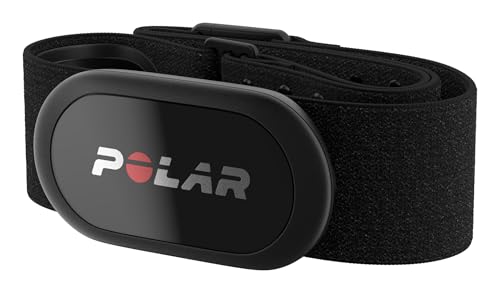

Lifters who need immediate electrocardiogram precision during intense bench presses and heavy squats will find the Polar H10 Heart Rate Monitor Chest Strap to be the top performer. It delivers reliable baseline tracking with silicone grip dots that prevent slippage during strenuous compound movements.
For athletes wanting exceptional value without sacrificing reliable dual ANT+ and Bluetooth connectivity, the CYCPLUS Heart Rate Monitor Chest Strap H2Pro offers rapid response times across 7 evaluated options in our October 2026 roundup of the Best Chest Strap Heart Rate Monitors for Strength Training. You can also explore our fitness tech tutorials and guides to optimize your overall workout tracking ecosystem.




Best Chest Strap Heart Rate Monitors for Strength Training Buying Guide
ECG Sensor Precision vs Optical Lag
Strength training produces rapid spikes in cardiovascular exertion that optical wrist monitors struggle to catch due to forearm muscle contraction. Chest transmitters utilize electrocardiography electrodes placed directly against the ribcage to detect electrical heart signals instantaneously.
This instantaneous reaction allows you to measure peak exertion during heavy deadlift sets and calibrate rest intervals with complete scientific confidence. Relying on sluggish optical sensors often leads to inaccurate training stress estimates and premature set initiation.
Strap Grip and Anti-Slip Stability
Heavy upper body exercises like bench presses and overhead barbell extensions cause significant expansion across the thoracic cage. A quality strap requires elastic flexibility alongside specialized silicone friction textures to keep the sensor pod perfectly positioned.
Without adequate friction control, sweat accumulation and intense torso movement will cause the strap to slide downward mid-set. If you mirror your biometric data to external monitors in a home gym setup, steady physical placement ensures a continuous data feed.
Dual-Channel Connectivity and Gym Integration
Modern weight training environments frequently involve multiple devices, ranging from personal smartwatches to digital gym consoles and smartphone logging apps. Choosing a monitor equipped with simultaneous ANT+ and multi-channel Bluetooth capabilities ensures seamless data transmission without frustrating connection drops.
Dual broadcast protocols let you stream real-time heart rate data to your wearable while simultaneously syncing metrics to smart lifting stations. Verifying multi-device compatibility saves substantial troubleshooting time between high-intensity supersets.
Internal Memory for Watch-Free Workouts
Wearing wrist accessories during kettlebell snatches or Olympic weightlifting can cause severe bruising and hinder wrist mobility under heavy loads. Chest units with onboard memory allow lifters to leave watches in their gym lockers while recording entire workouts locally.
Once your lifting session concludes, the stored biometric data automatically uploads to your paired health tracking application. Athletes who analyze their longitudinal workout charts on high-resolution computer displays will appreciate having complete, uninterrupted data logs.
Battery Efficiency and Maintenance Demands
Most chest transmitters rely on standard CR2032 or CR2025 coin cells that provide between 300 and 800 hours of continuous operational life. Choosing user-replaceable battery compartments avoids the frustration of arriving at the gym only to discover a dead rechargeable module.
Routine maintenance requires rinsing the fabric strap after sweaty lifting routines while uncoupling the sensor module to prevent phantom battery drain. Proper cleaning preserves electrode conductivity and extends the total operational lifespan of your training gear.
How We Evaluated
We analyzed published hardware specifications, manufacturer technical documentation, and certified protocol standards to assess each model objectively. Our comparison examined electrode architecture, wireless broadcast versatility, strap ergonomics, and power longevity across leading fitness brands.
Each unit received structured scrutiny based on its real-world suitability for resistance training, rapid rest interval tracking, and multi-device interoperability. We prioritized units offering validated heart rate variability reporting and stable torso retention during dynamic compound movements.
Common Mistakes to Avoid
Pairing the transmitter directly through your smartphone operating system settings rather than inside dedicated training applications is a frequent mistake. This common error prevents fitness apps from establishing secure data channels and often causes missing workout logs.
Neglecting to moisten the conductive rubber pads prior to lifting creates erratic initial readings until natural sweat production begins. A quick splash of tap water over the contact points establishes immediate electrical conductivity from your very first warmup repetition.
Leaving the electronic sensor snapped onto the damp chest strap after workouts keeps the internal circuit active and quickly drains the coin cell battery. Always detach at least one snap terminal when storing your gear to preserve operational battery life.
Buying Checklist
- Verify dual-protocol support for both Bluetooth 4.0 or higher and ANT+ connectivity.
- Confirm chest circumference strap sizing accommodates your torso expansion during heavy compound breathing.
- Check whether the sensor unit includes internal memory if you prefer training without a wrist device.
- Ensure the strap fabric incorporates non-slip silicone friction elements to prevent downward migration.
- Inspect whether the unit utilizes standard user-replaceable coin cell batteries or a rechargeable pack.
- Verify software integration with your primary resistance training and heart rate variability tracking apps.
- Check waterproof and sweatproof ratings to guarantee durability against intense workout perspiration.
Final Thoughts
Choosing among the Best Chest Strap Heart Rate Monitors for Strength Training depends primarily on your specific logging habits and gym environment. For lifters who demand gold-standard accuracy and dependable strap stability during max-effort sets, the Polar H10 Heart Rate Monitor Chest Strap represents the most complete all-around solution.
If you want comprehensive recovery metrics and lightweight comfort at an approachable price, the CYCPLUS Heart Rate Monitor Chest Strap H2Pro delivers exceptional performance. Meanwhile, lifters seeking integrated dynamics and watch-free activity storage will benefit from investing in the Garmin HRM 600, Premium Heart Rate Monitor, M-XL.
Review your connectivity needs and setup preferences before making a final selection for your training regimen. You can also explore our desktop and external displays if you manage your workout programming on a dedicated home workstation.
Frequently Asked Questions
Why are chest straps better than wrist monitors for strength training?
Wrist monitors rely on optical blood flow detection, which suffers from severe motion artifacts when forearm muscles contract during heavy gripping. Chest straps measure direct electrical cardiac impulses, ensuring immediate and accurate heart rate readings during intense resistance sets.
Which option is the top performer among Best Chest Strap Heart Rate Monitors for Strength Training in 2026?
The Polar H10 Heart Rate Monitor Chest Strap remains the industry benchmark thanks to its superior electrode array and internal memory recording. Its proven reliability and non-slip strap design make it a favorite for serious weightlifters.
Do I need to moisten the chest strap electrodes before lifting?
Yes, moistening the electrode contact pads with water establishes an immediate conductive bridge between your skin and the sensor. This simple preparation step prevents erratic data spikes during your initial warmup exercises.
Can I use these heart rate monitors without wearing a smartwatch?
Many advanced sensors connect directly to smartphone workout apps via Bluetooth or record workout metrics directly to onboard memory. Models with internal storage allow you to lift completely free of wrist accessories and sync biometric data later.
How often should I replace the chest strap battery?
Standard coin cell batteries typically last between 300 and 800 training hours depending on the specific model and wireless usage. Most recreational lifters only need to swap the battery once every one to two years under regular workout schedules.
How do I properly wash and care for my heart rate chest strap?
Unsnap the electronic sensor module after every workout and rinse the fabric strap thoroughly under cool tap water. You can also reference our practical guides for best practices on preserving fitness tech longevity.
Will these chest straps connect to standard commercial gym equipment?
Most modern units transmit dual ANT+ and Bluetooth signals that sync effortlessly with commercial treadmills, rowers, and digital fitness consoles. Always verify that your preferred gym hardware supports open wireless communication standards.