
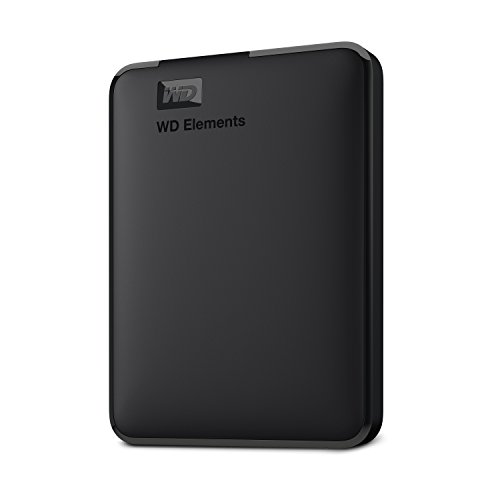
Finding reliable extra storage does not have to feel overwhelming when expanding your workspace or clearing console space. We evaluated 7 models for October 2026 to find top performers across Western Digital, Maxone, Seagate and more. For most users needing substantial backup capacity, the WD 2TB Elements Portable External Hard Drive delivers an ideal balance of reliable SuperSpeed data transfers and lightweight portability. If you are setting up a workstation, you can also pair your storage with our top recommendations for best external monitors.
If you need maximum storage capacity on a budget, the Western Digital WD 5TB Elements Portable External offers massive headroom for expansive photo libraries and video project archives. Meanwhile, users looking for slim travel solutions will appreciate compact builds that protect precious files on the go.



Best Portable External Hard Drives Buying Guide
Storage Capacity Requirements
Choosing appropriate capacity depends on whether you plan to store basic documents or heavy media files. Basic productivity backups usually require 500GB to 1TB of space for daily data security.
Creative professionals working with high-resolution video or raw photography need 2TB to 5TB drives. Purchasing extra headroom up front avoids the inconvenience of managing multiple smaller drives later on.
If your setup includes multiple display accessories or a complex workstation, check out our guide to best external computer monitors for comfort at work to optimize your desktop layout alongside external storage.
Transfer Speeds and Interface Compatibility
Interface protocols dictate how quickly files move between your drive and host system. Drives equipped with USB 3.2 Gen 1 or USB 3.0 support bandwidth up to 5Gbps for quick file transfers.
Connecting a high-speed drive to an older USB port will bottleneck your transfer speeds to legacy rates. Always verify whether your computer utilizes USB-A or USB-C interfaces before choosing your drive.
Enclosure Build and Physical Protection
Portable drives frequently travel inside backpacks, briefcase pockets, or camera bags. Durable aluminum housings or protective internal shock sleeves shield sensitive magnetic platters from accidental impacts.
Mechanical hard drives contain delicate moving parts that suffer when dropped during active operation. Choosing a drive with rubberized bumpers or rigid metal casing adds critical physical security during transit.
Operating System and Device Compatibility
Most external drives ship pre-formatted in NTFS for Windows or exFAT for multi-platform use. Windows systems recognize plug-and-play drives instantly without requiring software installation.
Apple macOS systems often require reformatting to APFS or HFS+ for native Time Machine compatibility. Users expanding console storage for PlayStation or Xbox must format the drive specifically for gaming storage.
Power Consumption and Portability
Bus-powered portable hard drives draw operational power directly through the connected USB cable. This eliminates the need for bulky external power adapters when working on laptops remotely.
Drives that weigh under half a pound easily fit into slim laptop sleeves without adding burden. Compact form factors ensure your workspace remains clean and free from unnecessary cable clutter.
Multi-Function Features and Expansion Hubs
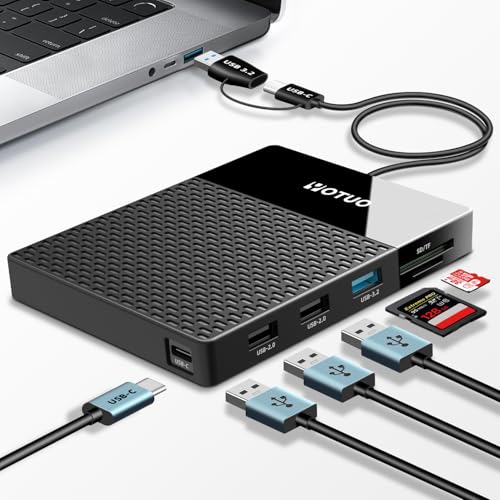
Modern ultrabooks frequently sacrifice traditional ports in favor of minimalist designs. Hybrid external drives integrate memory card readers and extra USB slots directly into the drive chassis.
Streamlining your workstation cable management becomes much simpler when using multi-port external storage solutions. To complement your setup, explore options for best hi res monitors for productivity and comfort to enhance visual clarity while managing files.
| Storage Size | Typical File Types Supported | Recommended Primary Use Case |
|---|---|---|
| 500GB | Documents, System Backups, Photos | Basic Personal Backups & Light Office Use |
| 1TB to 2TB | 4K Media, PC Libraries, Console Games | Everyday Workstations & Gaming Expansions |
| 4TB to 5TB | Raw Video Archives, Large Databases | Heavy Content Creation & Long-Term Storage |
How We Evaluated
We evaluated 7 models across the $37.59 – $220.00 price spectrum by analyzing technical specifications, enclosure build quality, interface protocols, and real-world software compatibility. Our analysis focused on key metrics including data transfer bandwidth, system formatting requirements, plug-and-play functionality, and physical durability.
By reviewing verified user experiences, brand reliability records, and manufacturer specifications, we identified trade-offs between physical size, storage capacity, and port versatility. This data-driven process ensures our recommendations reflect reliable storage solutions suited for diverse computing environments.
Common Mistakes to Avoid
Purchasing insufficient storage capacity is a frequent misstep for budget buyers. Choosing a smaller drive to save money often leads to managing multiple drives, which increases total costs over time.
Ignoring host system port compatibility causes unexpected connectivity bottlenecks. Plugs like USB-C and USB-A require proper cables or adapters to achieve maximum rated transfer speeds across modern laptops.
Unplugging external mechanical drives without properly ejecting them risks severe data corruption. Always unmount the volume in your operating system before disconnecting the cable to preserve drive health.
Expecting mechanical hard drives to run direct current-gen games on latest consoles is another common misunderstanding. External HDDs effectively archive modern console titles, but games must transfer to internal SSDs to play.
Buying Checklist
- Confirm your host computer has matching USB-A or USB-C ports available.
- Calculate your storage needs by adding 50 percent extra space for future files.
- Check if the drive comes pre-formatted for your primary operating system.
- Verify whether your console supports USB 3.0 external storage expansion.
- Determine if you need protective rubber bumpers or metal housing for travel safety.
- Ensure the drive is bus-powered so you do not need external wall adapters.
- Review warranty coverage and included data recovery services if applicable.
Final Thoughts
Selecting the right external drive comes down to balancing your storage volume needs with physical portability. For everyday reliability across laptops and desktops, the WD 2TB Elements Portable External Hard Drive remains our top overall recommendation due to its consistent transfer speeds and compact enclosure.
Users seeking maximum capacity for massive media libraries will find exceptional value in the Western Digital WD 5TB Elements Portable External. Meanwhile, buyers who need versatile multi-device connections can benefit from the hub capabilities of the YOTUO 1TB External Hard Drive.
Whichever model you choose, maintaining regular automated backups protects your important files against unexpected hardware failures. For more guidance on building a comfortable and productive home setup, check out our insights on best high resolution monitors for comfort and value.
Frequently Asked Questions
What is the top pick for Best Portable External Hard Drives in 2026?
Our top recommendation for Best Portable External Hard Drives in 2026 is the WD 2TB Elements Portable External Hard Drive. It combines dependable USB 3.2 Gen 1 performance, lightweight construction, and simple plug-and-play operation for both Windows and Mac platforms.
Can I use an external HDD to play games on PS5 or Xbox Series X?
External mechanical hard drives can store next-gen console games, but you cannot play PS5 or Xbox Series X/S games directly from them. However, legacy games for PS4 and Xbox One play directly from the external drive without issue.
Do these external hard drives require an external power outlet?
No, all the portable external drives reviewed in this guide are bus-powered over USB. They draw operational power directly from your computer or console host port, eliminating extra power cables.
How do I format an external hard drive for both Windows and Mac?
Formatting the external hard drive using the exFAT file system allows full read and write access on both Windows and macOS systems. Most drives come pre-formatted, but you can reformat using Disk Management on Windows or Disk Utility on Mac.
What transfer speeds can I expect from a USB 3.0 external HDD?
Standard USB 3.0 and USB 3.2 Gen 1 external hard drives offer theoretical transfer speeds up to 5Gbps. In real-world file transfers, mechanical platters usually sustain read and write speeds between 100MB/s and 140MB/s.
Is a 1TB external hard drive enough for regular backups?
A 1TB external hard drive provides ample space for personal photos, office documents, system images, and music collections. However, users working with large 4K video files or modern game installations should consider 2TB or 5TB options.
How can I ensure long-term durability for my portable drive?
To maintain drive longevity, avoid moving or bumping the unit while active, always safely eject the drive through your operating system, and store it in a padded case during travel. For broader home office optimization tips, visit our guide on How To setup guides.