Finding dependable external storage is essential when you need to protect important personal files and professional projects. In September 2026, we analyzed 5 models to determine which options offer the strongest performance and physical endurance. The Sandisk 1TB Extreme Portable SSD leads our testing due to its fast transfer rates and water-resistant shell.
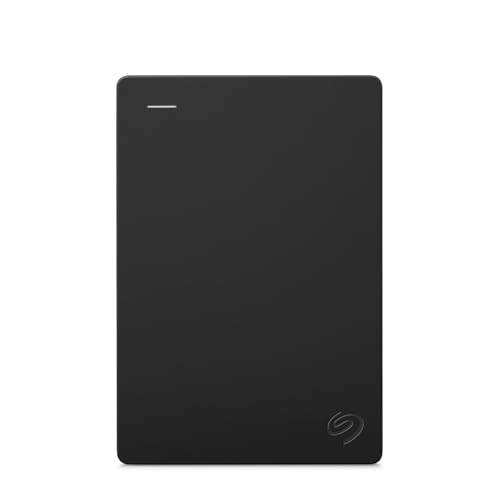
For budget-conscious buyers who require expansive local storage, the Seagate 2TB Portable Hard Drive provides straightforward plug-and-play operation for desktop workstations. If your workstation setup requires dedicated displays, check our guide on best external monitors to pair with your drive.
Best Reliable Hard Drives Buying Guide
Drive Architecture: SSD vs Traditional HDD
Choosing between a solid state drive and a traditional mechanical hard disk drive is the first major step. Solid state drives use flash memory with no moving parts, making them far more resistant to drops and accidental shocks. Mechanical drives use spinning magnetic platters, which offer lower costs per gigabyte but suffer higher risks of physical failure.
If you travel frequently or work on location, an SSD provides significantly higher durability and rapid file transfers. Traditional hard drives suit stationary desktop archiving where maximum capacity per dollar is your primary goal. Balancing these technical differences helps ensure your data remains accessible without unexpected hardware failure.
Transfer Speeds and Interface Standards
Transfer speed determines how quickly you can move photo libraries, video projects, and system backups. Modern drives use USB 3.0 or USB 3.2 interfaces to deliver high bandwidth across desktop and laptop hardware. High-speed SSD models reach transfer speeds up to 2000MB per second for heavy media handling.
Older mechanical drives generally operate at lower speeds due to physical platter limits. When connecting your storage to modern workstations, matching the port generation prevents system bottlenecks. You can read our general How To resources for broader tech setup guides.
Physical Durability and Environmental Protection
Physical protection is critical if you carry your storage in backpacks or camera bags. High-end portable drives feature silicone outer shells and IP65 ratings to repel dust and moisture splashes. Drop resistance up to three meters ensures the internal components survive unexpected slips off desks.
Standard plastic enclosures lack ingress protection and can crack under moderate impact. If you routinely handle files on location, investing in rugged casing prevents catastrophic mechanical damage. Selecting tough enclosure materials keeps your valuable backup files safe during transit.
Data Security and Hardware Encryption
Data protection extends beyond physical drops to include digital security protocols. Built-in 256-bit AES hardware encryption secures sensitive personal records and commercial media files against unauthorized access. Hardware encryption works independently of your operating system to maintain optimal drive performance.
Unencrypted drives leave your private documents vulnerable if your hardware gets misplaced or stolen. Using built-in password protection tools keeps your files locked down across different computer platforms. Security compliance is vital for creative freelancers and business users managing confidential assets.
Operating System Compatibility and File Formatting
Out-of-the-box compatibility varies depending on how the manufacturer pre-formats the drive. Many models support seamless plug-and-play functionality across Windows and macOS operating systems without initial driver setup. Certain file formats require simple reformatting to enable full write access on Apple hardware.
Users managing multi-platform environments should select drives that support universal file systems like exFAT. For desktop setups where workspace layout matters, pairing compatible storage with Desktop & External Monitors creates an efficient workflow. Checking compatibility in advance prevents frustrating reformats during critical deadlines.
Storage Capacity and Scalability Needs
Determining your storage headroom requires calculating current media volume and future growth. A 1TB drive easily handles document archives and high-resolution photo collections for everyday users. Larger 4TB or 5TB options cater to 4K video editors and multi-device system backups.
Buying extra capacity upfront is generally more cost-effective than adding multiple smaller drives later. Large drives reduce cable clutter on your desk while consolidating all your backup archives in one location. Evaluating your long-term storage trends ensures your hardware lasts for years.
How We Evaluated
Our drive evaluation methodology relies on objective technical data, manufacturer specifications, and practical use case analysis. We evaluated transfer bandwidth ratings, ingress protection standards, interface compatibility, and structural shell construction across leading models. Our research highlights how each drive handles routine daily operations and unexpected environmental stress.
We compared performance benchmarks across different storage architectures without relying on artificial lab scores. By analyzing physical build attributes alongside hardware encryption protocols, we identified the key strengths of each option. This transparent approach helps you select hardware tailored to your specific reliability requirements.
Common Mistakes to Avoid
One common error is purchasing mechanical hard drives for mobile environments where physical drops are frequent. Mechanical platters can sustain head crashes when bumped during active data writing, causing total file loss. Solid state hardware is much better suited for travel and remote work.
Another mistake is ignoring interface cable compatibility and port standards on your host computer. Plugging a high-speed external drive into an outdated USB port throttles file transfers significantly. Always verify that your host system supports the full speed capability of your new storage.
Failing to set up password protection on portable drives containing confidential records is another frequent oversight. Physical access controls matter, but digital encryption ensures your personal files remain private if lost. Taking a few minutes to configure security software prevents serious data exposure.
Buying Checklist
- Verify whether your workflow requires high-speed flash SSD memory or high-capacity mechanical storage.
- Confirm system compatibility with Windows and macOS operating environments.
- Check that your computer features matching USB ports to hit target transfer speeds.
- Ensure the drive enclosure provides adequate drop and water ingress protection for travel.
- Look for built-in 256-bit AES hardware encryption if managing confidential data.
- Select sufficient storage capacity to accommodate projected data growth over two years.
- Review included cable accessories to ensure proper connectivity without buying extra adapters.
Final Thoughts
Choosing the right storage solution depends on your mobility requirements, speed demands, and budget. For maximum durability and lightning-fast transfer performance, we recommend the Sandisk 1TB Extreme Portable SSD. Its rugged construction makes it an ideal pick for content creators working in active environments.
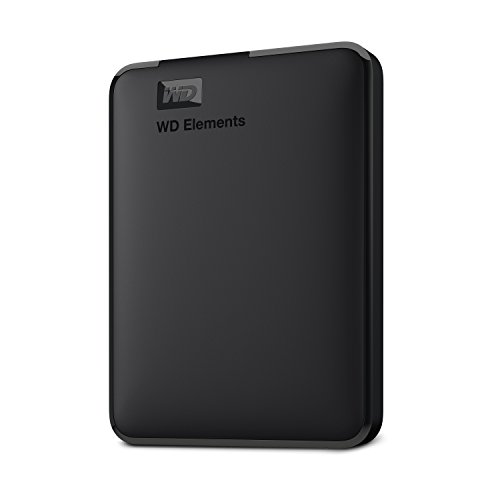
If your goal is maximizing overall storage room for a stationary desk setup, the Seagate 2TB Portable Hard Drive provides dependable budget value. Power users who need massive space for large video catalogs should consider the Western Digital WD 5TB Elements Portable External. To optimize your entire workstation layout, take a look at our guide to best hi res monitors for productivity and comfort.
Investing in reliable external storage safeguards your important digital memories and critical work files. Matching your choice to your daily routines prevents costly hardware failures and data loss down the road. Selecting trusted hardware gives you peace of mind whenever you transfer files.
Frequently Asked Questions
What makes Best Reliable Hard Drives choices stand out in 2026?
Top models stand out by offering robust physical protection, high transfer bandwidth, and advanced hardware encryption. Contemporary portable SSDs provide solid-state reliability that handles physical shocks far better than older mechanical designs.
Is an SSD more reliable than a mechanical hard drive for daily travel?
Yes, SSDs contain no moving internal parts, making them vastly more durable against shocks and drops. Traditional mechanical drives can suffer head crashes or motor failure when moved during active use.
How much storage capacity do I need for standard system backups?
A 1TB or 2TB drive is generally sufficient for regular document archives and photo collections. If you edit high-resolution video or archive entire system image backups, opting for 4TB or 5TB provides comfortable room.
Do these external drives work with both Mac and Windows systems?
Most contemporary drives come formatted for plug-and-play simplicity on Windows and macOS. Some file systems may require quick reformatting to enable full read and write access across different platforms.
What is the benefit of 256-bit AES hardware encryption?
Hardware encryption locks your stored data at the controller level without slowing down your computer. It prevents unauthorized users from accessing your private files if your drive is lost or stolen.
How does IP65 water resistance protect my stored data?
An IP65 rating means the drive casing shields internal electronics from fine dust ingress and low-pressure water sprays. This protective rating keeps your files safe when working in rain or dusty outdoor settings.
Can external drives affect overall computer productivity?
Fast external drives allow seamless file transfers and quick video rendering without freezing your system. Combining fast storage with high-quality displays from our best external computer monitors for comfort at work guide creates a smooth environment.
Should I keep an external drive plugged in at all times?
Leaving your drive connected is fine for desktop backup routines, but disconnecting it after transfers protects against power surges. Unplugging portable drives also prevents accidental mechanical displacement while working on busy desks.