
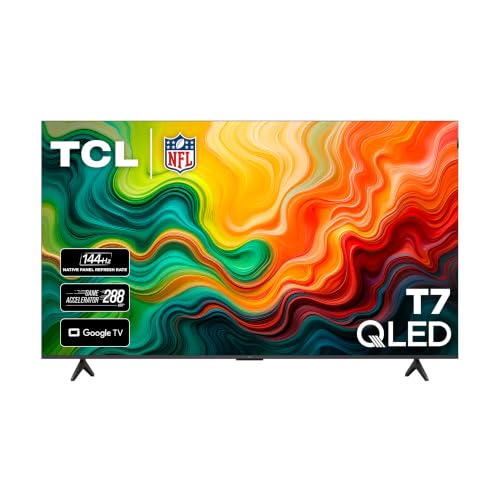
When setting up a high-performance console, the TCL 65″ T7 4K QLED Google TV with 144Hz stands out as our top recommendation for most players in October 2026. It pairs fluid 144Hz gaming capability with rich quantum dot color, ensuring fast-paced titles look exceptionally sharp.
For shoppers seeking maximum display size on a sensible budget, the Samsung 75-Inch Class M70H Series, Mini LED, 4K delivers exceptional contrast and bright specular highlights. Gamers comparing living room screens with dedicated desktop setups can also consult our Best OLED Monitor for Work and Gaming review for alternative high-refresh options.



Best TVs Xbox Series X: Top Gaming Displays Buying Guide
HDMI 2.1 Bandwidth and 120Hz Output
Modern high-performance gaming consoles require proper HDMI 2.1 bandwidth to output 4K resolution at 120 frames per second. Displays equipped with standard HDMI 2.0 ports cap output at 4K 60Hz, which limits responsiveness in fast first-person shooters. Verifying native high refresh panel support ensures you unlock the full graphical capability of your hardware.
High refresh rates dramatically reduce motion blur during rapid camera movements. When evaluating models like the TCL 75″ T7 4K QLED Google TV with 144Hz, look for genuine 120Hz or 144Hz native panel refresh rates. You can also explore our Best Quality Monitors guide for additional insights on refresh performance.
Variable Refresh Rate and Auto Low Latency Mode
Variable Refresh Rate, commonly known as VRR, synchronizes the display panel directly with the console graphical processing unit. This synchronization eliminates distracting screen tearing and minimizes perceptible stutter when frame rates fluctuate during intense action. Without VRR active, demanding open-world games can feel jarring during heavy visual rendering.
Auto Low Latency Mode, or ALLM, automatically shifts your television into dedicated game mode whenever you boot a game. This process turns off unnecessary video post-processing filters that normally introduce sluggish input delays. Responsive button inputs feel immediate, providing a critical competitive edge in multiplayer matches.
Panel Technology: QLED, Mini LED, and Crystal UHD
Panel construction directly dictates color volume, black levels, and ambient light resistance. Quantum dot panels, such as QLED displays, utilize specialized nanoparticles to produce pure spectral color across broad gamuts. In contrast, Mini LED backlights employ thousands of microscopic diodes grouped into discrete local dimming zones.
Mini LED technology delivers deep inky blacks and precise highlight control, preventing distracting halo artifacts around bright objects. Entry-level Crystal UHD panels offer crisp 4K resolution at accessible price points, though they lack the high peak brightness of quantum dot backlights. Buyers who value extreme contrast should weigh these panel trade-offs carefully.
High Dynamic Range and Peak Brightness
High Dynamic Range transforms video games by expanding the contrast ratio between luminous sunbeams and deep shadow detail. Advanced HDR formats like Dolby Vision and HDR10+ adjust metadata scene by scene, preserving crucial visual nuances. Without sufficient panel luminance, HDR signals can appear muted rather than vibrant.
A gaming television must deliver adequate peak nit brightness to overcome daytime window reflections and make specular highlights pop. Premium backlighting architectures ensure glowing explosions and vivid magical effects remain distinct. If you are comparing panel clarity standards, review our Best Monitor for 4070 Ti breakdown.
Input Latency and Motion Processing
Input lag measures the millisecond delay between pressing a controller trigger and seeing the corresponding action on screen. Dedicated gaming displays reduce this delay below fifteen milliseconds in game mode, creating an intuitive connected feel. Standard movie picture modes often add significant latency that degrades competitive timing.
Built-in motion compensation engines like MEMC or Motion Xcelerator help smooth out lower-framerate cinematic content. However, players should ensure these synthetic motion smoothing features disengage during active gameplay to prevent input delays. Reliable native refresh rates always outperform artificial motion interpolation.
Screen Sizing and Viewing Geometry
Selecting the right screen dimension depends on your seating distance and room layout. An expansive 75-inch or 85-inch display offers breathtaking cinematic immersion in spacious living rooms, filling your peripheral field of view. Conversely, sitting too close to a massive panel can cause neck strain during extended sessions.
For bedroom setups or compact gaming dens, a 55-inch or 65-inch screen strikes an optimal balance between field of view and spatial comfort. Measure your seating distance beforehand to determine whether a compact or large-format screen best suits your gaming environment.
How We Evaluated
We analyzed 6 displays across essential performance criteria, including native panel refresh rates, HDMI port specifications, and color gamut coverage. We prioritized displays featuring dedicated low-latency gaming modes, Variable Refresh Rate compatibility, and broad HDR format support.
Our comparison also evaluated panel backlighting architectures, audio decoders like Dolby Atmos, and smart platform responsiveness across TCL, Samsung. By cross-referencing manufacturer technical data and verified user use cases, we identified models that deliver authentic console performance without unnecessary compromises.
Common Mistakes to Avoid
Confusing effective motion rates with native panel refresh rates is a frequent buying trap. Manufacturers often advertise inflated motion index numbers created through backlight strobing rather than genuine 120Hz hardware capability. Always confirm the true physical refresh rate before purchasing.
Overlooking HDMI port specifications can limit your console output. Connecting your system to an older HDMI 2.0 port prevents 4K 120Hz playback, restricting your visual feed to 60Hz. Verify that the television includes dedicated HDMI 2.1 inputs designed for high-bandwidth signals.
Leaving video processing filters enabled while playing introduces noticeable input lag. Smoothing enhancements, dynamic noise reduction, and edge sharpeners delay controller response times. Ensure your television activates low-latency game mode automatically upon detecting console power.
Ignoring room lighting conditions leads to washed-out images or aggressive reflections. Placing a screen with modest peak brightness directly across from uncovered windows diminishes HDR highlights. Choose quantum dot or Mini LED backlighting if your gaming space receives abundant ambient light.
Buying Checklist
- Confirm native panel refresh rate supports 120Hz or 144Hz for high-framerate gameplay.
- Verify dedicated HDMI 2.1 input ports with full 48Gbps bandwidth support.
- Check for Variable Refresh Rate (VRR) and Auto Low Latency Mode (ALLM) compatibility.
- Ensure broad HDR format support, including HDR10, HDR10+, and Dolby Vision Gaming.
- Measure living room seating distance to match appropriate 55-inch, 65-inch, 75-inch, or 85-inch screen sizes.
- Assess room ambient light levels to choose between QLED, Mini LED, or Crystal UHD panels.
- Review integrated audio capabilities such as Dolby Atmos passthrough for surround sound systems.
Final Thoughts
Selecting the right display elevates your gaming sessions by providing sharp 4K resolution, fast response times, and rich color reproduction. For balanced all-around performance, the TCL 65″ T7 4K QLED Google TV with 144Hz represents our best overall recommendation. It blends native 144Hz fluidity with vibrant quantum dot color that brings console titles to life.
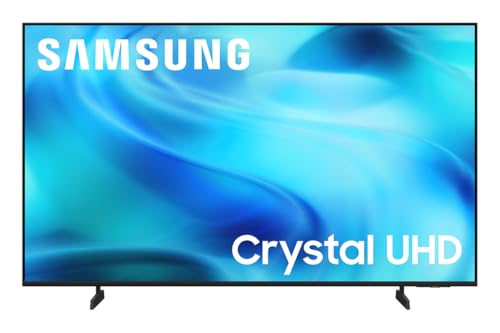
Shoppers looking for maximum screen real estate on a budget should consider the Samsung 75-Inch Class M70H Series, Mini LED, 4K for its impressive contrast control. Meanwhile, entry-level setups benefit from the reliable clarity of the Samsung 65-Inch Class Crystal UHD U8000H Series. If you are outfitting a dual-purpose desk, explore our Best Large Screen Computer Monitors for Work Comfort guide.
Players managing tighter spaces can opt for the TCL 55″ T7 4K QLED Google TV with 144Hz, while home theater enthusiasts will appreciate the expansive TCL 85″ T7 4K QLED Google TV with 144Hz. For alternative display form factors, our Best Non OLED 32 Inch Monitors article offers further helpful recommendations.
Frequently Asked Questions
What makes a display ideal for Best TVs Xbox Series X: Top Gaming Displays in 2026?
An ideal display provides native 4K resolution, 120Hz refresh rate support via HDMI 2.1, and sub-fifteen millisecond input lag. It should also include Variable Refresh Rate and robust HDR support like Dolby Vision to maximize graphical clarity.
Do all HDMI ports support 4K 120Hz gaming on these televisions?
Not all HDMI inputs carry the full bandwidth required for 4K 120Hz playback. Most displays designate specific HDMI 2.1 ports for high-framerate video signals, while secondary ports remain limited to HDMI 2.0 speeds. Always connect your console to the designated high-speed input.
Is Dolby Vision gaming better than standard HDR10?
Dolby Vision uses dynamic frame-by-frame metadata to optimize contrast, color saturation, and brightness levels in real time. Standard HDR10 applies static settings across an entire game, which can lead to clipped highlights or crushed shadow details in complex scenes.
How important is Variable Refresh Rate for console gaming?
Variable Refresh Rate is crucial for maintaining visual smoothness during graphically intensive gameplay. By aligning the panel refresh rate with console output, VRR eliminates screen tearing and minimizes perceptible frame drops during busy combat sequences.
What is the difference between QLED and Mini LED displays?
QLED displays use quantum dots to enrich overall color volume, relying on conventional backlights. Mini LED panels incorporate thousands of miniature diodes grouped into local dimming zones, producing superior black levels and higher contrast ratios.
Can I use a gaming monitor instead of a large television?
Yes, desktop monitors provide faster pixel response times and ultra-compact footprints suited for competitive esports desks. If you prefer a compact desktop arrangement, check out our guide on the Best Small Monitor for PC for tailored setup recommendations.
Does Auto Low Latency Mode engage automatically?
Auto Low Latency Mode engages automatically when both the television and console settings have ALLM enabled. The screen detects active gaming software and immediately disables latency-inducing image processing without requiring manual menu adjustments.
What screen size is best for competitive console play?
Screen size selection depends primarily on your viewing distance and room layout. A 55-inch or 65-inch screen offers an immersive field of view without forcing your eyes to track across an excessively large surface during fast-paced competitive gameplay.