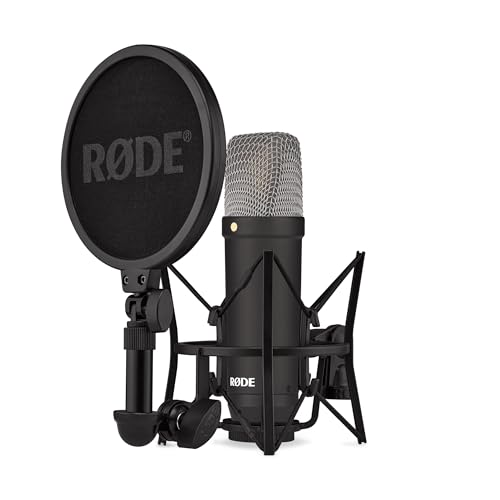

Recording vocals and acoustic instruments at home requires clean signal capture without unwanted room reflections. The RØDE NT1 Signature Series Studio Condenser delivers exceptional clarity with near-zero self-noise, making it the premier choice for serious musicians in September 2026.
For creators who want direct computer connectivity without buying a separate audio interface, the Logitech Creators Blue Yeti USB Microphone for PC offers four versatile polar patterns. Our guide compares 5 top options from Audio-Technica, Logitech G, FIFINE and more to help streamline your audio workspace, which you can pair with our Desktop & External Monitors guide.


Best Condenser Microphones for Music Production: Home Audio Buying Guide
XLR vs USB Connection Types
Choosing between XLR and USB connectors determines your studio signal chain and future upgrade flexibility. USB microphones connect straight to computer ports, eliminating the immediate need for outboard preamplifiers or external sound cards.
XLR microphones require an audio interface with 48V phantom power to convert analog sound into digital data. This traditional studio connection yields cleaner signal paths, expandable multi-mic tracking, and superior long-term hardware longevity.
Beginners prioritizing simplicity often prefer plug-and-play USB hardware for quick vocal sketches. Dedicated producers building a modular workstation usually invest in XLR equipment for refined conversion quality.
Self-Noise and Signal Purity
Self-noise refers to the inherent electrical hiss generated by internal microphone circuitry and preamplifier components. When recording quiet acoustic guitars or delicate vocal passages, low self-noise ensures silent backgrounds in your master mix.
Microphones with self-noise ratings under 6 dBA capture subtle dynamics without compounding hiss during multi-track stacking. Higher noise floors force producers to apply aggressive noise reduction plugins that can compromise high-frequency presence.
Checking self-noise specifications helps home producers achieve professional signal clarity in untreated bedrooms. Clear recordings also streamline your visual workflow when editing tracks alongside 4K, 6K & 8K Monitors.
Polar Patterns and Room Rejection
Polar patterns dictate the directional sensitivity of the microphone capsule toward incoming sound waves. Cardioid patterns pick up audio directly in front while rejecting ambient noise from the sides and rear.
Untreated home rooms benefit heavily from tight cardioid pickup to suppress computer fan noise and flutter echoes. Multi-pattern capsules expand versatility by offering bidirectional and omnidirectional modes for duets or room ambience recording.
Selecting the correct directional pattern prevents reflective wall bleed from muddying vocal clarity. Cardioid remains the universal standard for isolating lead vocals in home recording environments.
Diaphragm Size and Transient Response
Large-diaphragm condensers measure one inch or wider, delivering warm low-end weight and flattering vocal presence. Their broader surface area reacts smoothly to pitch variations, producing the rich sonic signature heard on modern radio records.
Small-diaphragm capsules offer faster transient response to capture rapid acoustic guitar strums and percussion attacks with precision. They maintain consistent pickup patterns across high frequencies, preventing off-axis sound coloration.
Vocalists generally lean toward large-diaphragm models to give their lead tracks depth and warmth. Acoustic instrumentalists often prioritize smaller capsules to preserve snappy articulation and detailed string attack.
Mounting and Acoustic Isolation Accessories
Sensitive condenser capsules readily register desk vibrations, foot tapping, and mechanical ventilation rumble. Suspension shock mounts isolate the microphone body using elastic bands, decoupling the capsule from physical desk contact.
Dual-layer pop filters disperse explosive breath blasts from plosive consonants like P and B sounds. Without physical pop protection, explosive air bursts overload the diaphragm and ruin otherwise clean vocal takes.
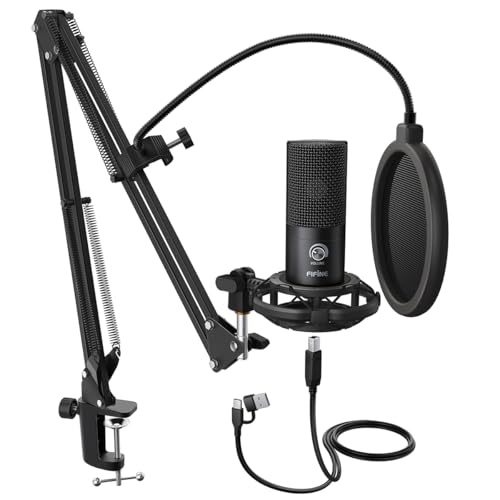
Bundled kits containing robust boom arms and shock mounts save setup time and studio floor space. Proper mounting ensures comfortable posture during long production sessions in your creative workspace.
How We Evaluated
We analyzed condenser microphones by comparing verified technical specifications, diaphragm architecture, and self-noise ratings across leading audio manufacturers. We examined manufacturer acoustic documentation to determine dynamic range, SPL handling thresholds, and frequency balance.
Our evaluation also assessed connector compatibility, bundled mounting hardware, and real-world utility for home music production. We prioritized models that deliver transparent vocal capture and dependable build quality without requiring complex studio infrastructure.
Common Mistakes to Avoid
Neglecting acoustic room reflections is the most frequent error among home producers. Sensitive condenser capsules capture room reverberation, so singing into an untreated reflective corner quickly degrades vocal clarity.
Skipping a dedicated pop filter leads to clipped audio waveforms on plosive consonants. Software de-essers and dynamic equalizers cannot cleanly repair digital distortion caused by mechanical diaphragm overloads.
Forgetting 48V phantom power requirements when purchasing an XLR condenser leaves buyers unable to record. USB audio interfaces or external preamp units must supply continuous phantom voltage to charge the internal capsule.
Overdriving microphone input gain introduces harsh preamp saturation before the signal reaches your recording software. Leaving adequate recording headroom prevents accidental digital clipping during passionate musical performances.
Buying Checklist
- Verify whether your workstation supports XLR audio interfaces or direct USB connections.
- Check that your audio interface provides switched 48V phantom power for XLR studio models.
- Confirm the microphone includes a cardioid pattern to isolate vocals from untreated home room reflections.
- Inspect the package contents for an elastic suspension shock mount and dual-layer pop filter.
- Ensure your desk or studio stand can support the total weight of the microphone and boom arm.
- Check the self-noise rating to guarantee quiet backgrounds during multi-track vocal stacking.
- Confirm maximum SPL handling exceeds 130 dB if you plan to record loud guitar amplifiers or brass.
Final Thoughts
Selecting the right recording capsule elevates bedroom music projects into commercial-grade productions. The RØDE NT1 Signature Series Studio Condenser stands out as our best overall recommendation due to its whisper-quiet self-noise floor and full studio mounting accessory kit.
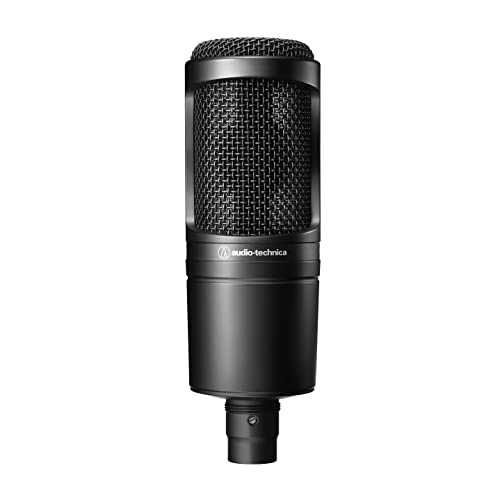
Producers seeking dependable XLR performance on a tighter budget will appreciate the Audio-Technica AT2020 Cardioid Condenser Studio, which handles high sound pressure levels with ease. For creators prioritizing versatile plug-and-play operation, the Logitech Creators Blue Yeti USB Microphone for PC offers switchable pickup patterns for vocals and acoustic instruments.
Upgrading your home audio chain with a dedicated condenser mic establishes pristine sonic foundations for your mixes. Explore our How To section for additional advice on optimizing your creative home studio workspace.
Frequently Asked Questions
What are the top features among Best Condenser Microphones for Music Production: Home Audio in 2026?
Leading models feature ultra-low self-noise circuitry, broad dynamic range, and cardioid pickup patterns designed to reject ambient room sound. Many top picks also provide comprehensive accessory packages with shock mounts and pop filters to simplify vocal tracking.
Do condenser microphones require phantom power to record?
Standard XLR condenser microphones require 48V phantom power supplied by an audio interface or outboard preamplifier to charge their internal capacitor. In contrast, USB condenser microphones draw necessary operating voltage directly from your computer USB port without auxiliary power units.
Is a condenser microphone better than a dynamic mic for home recording?
Condenser microphones provide superior high-frequency sensitivity, transient accuracy, and vocal warmth compared to dynamic alternatives. However, dynamic microphones excel in loud, untreated environments because they naturally reject distant background noise more aggressively.
Why is cardioid the preferred polar pattern for vocal production?
Cardioid capsules capture sound directly in front of the diaphragm while attenuating acoustic reflections coming from the rear and sides. This directional isolation keeps room reverberation, keyboard clicks, and computer noise out of your vocal takes.
What is self-noise and why does it matter for home studios?
Self-noise is the baseline electrical hiss generated by internal capsule electronics and amplifier components. Keeping self-noise below 10 dBA ensures that quiet musical passages remain pristine when applying compression and equalization during production.
Can I record acoustic guitars with a vocal condenser microphone?
Large-diaphragm condenser microphones capture acoustic guitar body resonance and string detail with remarkable warmth and fidelity. Positioning the capsule near the twelfth fret captures balanced frequency response without muddy low-end boominess.
Do I need an acoustic shield when recording at home?
A portable reflection filter helps reduce unwanted flutter echoes in untreated bedrooms and open spaces. For more setup recommendations, explore our Computer Monitors & Displays category guides to streamline your production desk layout.
How does a pop filter improve vocal recordings?
Pop filters diffuse sudden blasts of turbulent air created by plosive consonants like P, T, and B sounds. Dispersing this airflow prevents mechanical diaphragm overload and eliminates low-frequency thumps that ruin vocal recordings.