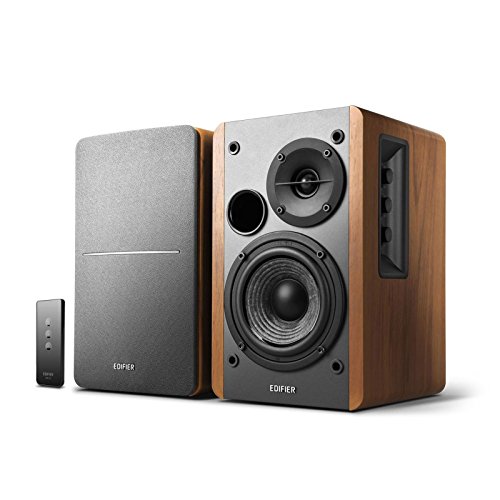

Setting up an effective home recording studio starts with selecting accurate monitoring equipment. The (2) JBL 305P MkII 5″ 2-Way Active Powered Studio stands out as our top overall choice for producers needing balanced, uncolored sound across the entire audible spectrum.
If you have a compact desk or tighter budget, the Mackie CR3.5 Studio Monitors (Pair), 3.5″ Woofers delivers impressive clarity and flexible control in a small footprint. For extra guidance on setting up an efficient desktop workspace, check out our guide on Desktop & External Monitors.




Best Speakers for Producing Buying Guide for 2026
Choosing the right monitoring setup requires looking closely at acoustic accuracy and cabinet design. We compared 7 models from top brands like Edifier, JBL, Yamaha and more to help you make an informed decision for your workspace.
Frequency Response and Flat Tuning
Music production requires flat frequency response rather than hyped bass or boosted treble. Consumer speakers alter sound to make playback pleasant, which hides flaws in your mix. Studio monitors deliver flat audio reproduction so you hear exactly what recorded audio contains.
When assessing frequency specifications, look for extended response curves that cover 50 Hz to 20 kHz smoothly. Units with restricted bass response force producers to guess at sub-bass balance. Accurate monitors ensure your tracks translate predictably across car stereos, headphones, and club systems.
Driver Size and Woofer Materials
Woofer cone diameter directly impacts low-end extension and acoustic volume output. A 5-inch woofer generally provides deep bass response suitable for medium rooms without requiring a dedicated subwoofer. Smaller 3.5-inch or 4-inch drivers fit tighter desks while maintaining sharp midrange detail for vocals.
Driver materials like aluminum diaphragms or woven synthetic cones resist distortion at higher gain levels. High quality dome tweeters crafted from silk ensure smooth treble reproduction without harsh vocal sibilance. Selecting balanced drivers helps maintain clarity during long mixing sessions.
If you also configure multi-display work areas for audio editing, review our helpful insights on best external computer monitors for comfort at work for an optimized desk layout.
Acoustic Room Controls and Tuning
Unfiltered sound reflections from nearby walls or desk surfaces obscure acoustic details. High quality studio monitors incorporate rear boundary EQ switches and high-frequency trim controls to correct room acoustics. Adjusting these filters prevents low-frequency build-up caused by corner placements.
Desk reflection can alter lower midrange balance when speakers rest flat on desktop surfaces. Using tilted isolation stands or angled baffles decouples speaker cabinets from furniture while directing sound directly toward your ears. These simple physical adjustments significantly improve stereo imaging clarity.
Connectivity and Signal Processing
Flexible connection inputs allow easy integration with audio interfaces, digital converters, and computers. Balanced XLR and TRS inputs protect signals against electromagnetic interference over longer cable runs. Unbalanced RCA or 3.5mm AUX connections offer convenient secondary options for casual listening devices.
Modern active monitors frequently feature internal Digital Signal Processing (DSP) and high-resolution wireless codecs like LDAC. Built-in Class-D amplification ensures efficient power management without generating unwanted cabinet heat. Having both digital and analog input choices keeps your setup adaptable.
Amplification and Power Output
Amplifier power rating dictates dynamic range capacity and headroom before audible distortion occurs. Bi-amplified designs utilize dedicated power amplifiers for low and high frequency drivers independently. This separation delivers cleaner transient response during complex musical passages.
Higher wattage output allows monitors to deliver punchy bass dynamics without clipping power rails. For desktop production environments, total output between 50W and 70W RMS yields ample loudness while preserving dynamic headroom for audio editing.
| Monitor Feature | Entry Desktop | Professional Studio |
|---|---|---|
| Frequency Range | 60 Hz – 20 kHz | 43 Hz – 24 kHz |
| Amplification | Single active unit | Dedicated bi-amplified |
| Room Boundary Control | Basic EQ knobs | Multi-stage Boundary EQ switches |
| Input Options | 3.5mm AUX / RCA | Balanced XLR / TRS / Bluetooth LDAC |
How We Evaluated
We analyzed technical data, manufacturer specifications, driver architecture, and acoustic design features across all 7 products. Our comparison focuses on frequency stability, output power, room correction flexibility, and connectivity options relevant to audio producers.
By examining build materials, cabinet construction, and signal-to-noise capabilities, we identified models that provide honest audio representation. This objective analysis highlights options that serve both budget home studios and refined music production workspaces.
Common Mistakes to Avoid
Choosing commercial bookshelf speakers instead of dedicated studio monitors is a frequent error. Commercial speakers artificially boost bass and treble response, leading producers to compensate incorrectly during audio mixing.
Placing monitors directly against solid walls without engaging boundary EQ switches causes unnatural bass build-up. Always maintain space around acoustic reflex ports or utilize room controls to preserve low-end accuracy.
Neglecting speaker isolation and positioning is another issue. Resting monitors directly on hard desks transfers mechanical vibrations, which muddies low-mid frequencies. Using isolation pads or angled stands keeps your listening experience clean.
Buying Checklist
- Verify the woofer size matches your room dimensions and desk space.
- Confirm speaker inputs connect directly to your audio interface or computer setup.
- Check for bi-amplified design to ensure adequate dynamic headroom.
- Ensure built-in room trim controls are available for wall proximity tuning.
- Inspect included accessories like acoustic isolation pads or angled desktop stands.
- Validate frequency response coverage down to at least 60 Hz for full bass monitoring.
- Review cabinet porting layout to plan correct wall clearance distance.
Final Thoughts
Selecting accurate audio monitors transforms your music production workflow by providing transparent feedback. For broad frequency extension and professional acoustic imaging, we recommend the (2) JBL 305P MkII 5″ 2-Way Active Powered Studio. Its patented waveguide ensures precise stereo placement during detailed mixing sessions.
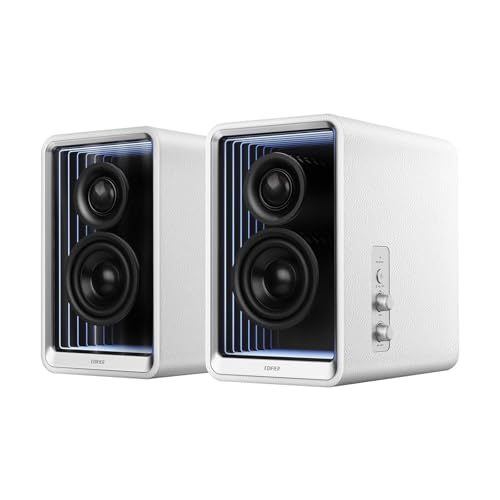
Producers operating in compact spaces should look at the Mackie CR3.5 Studio Monitors (Pair), 3.5″ Woofers for balanced sound at an accessible price. If you want advanced wireless high-resolution codecs alongside physical inputs, consider the Edifier QR65 RGB Light Desktop Active Monitor with bundled stands.
Pairing reliable monitors with high quality displays improves overall editing comfort. Explore our guide on best hi res monitors for productivity and comfort to complete your creative setup.
Frequently Asked Questions
Why are studio monitors better than regular desktop speakers for producing?
Studio monitors provide a flat frequency response that reproduces audio without artificial color or bass boost. Regular desktop speakers emphasize high and low frequencies, which misleads producers during mixing.
What is the top choice among Best Speakers for Producing in 2026?
The (2) JBL 305P MkII 5″ 2-Way Active Powered Studio is widely considered a top choice for its flat tuning, reliable room controls, and expansive sweet spot in home studios.
Do I need a separate subwoofer with 5-inch studio monitors?
Most 5-inch monitors provide sufficient low-end depth down to around 43 Hz for standard home studios. A dedicated subwoofer is only necessary if you regularly produce sub-heavy genres like dubstep or cinematic film scores.
What are boundary EQ controls on studio monitors?
Boundary EQ controls are rear-panel switches that attenuate low frequencies when speakers sit close to walls. They compensate for acoustic boundary reflection to maintain flat low-end performance.
Can I connect Best Speakers for Producing directly to a laptop?
Yes, many modern monitors offer 3.5mm AUX, USB-C, or Bluetooth inputs alongside standard balanced TRS connections. However, using a dedicated audio interface yields cleaner signal quality and lower audio latency.
Why are angled speaker stands important for desktop monitors?
Angled stands aim high-frequency tweeters directly at ear height and reduce sound reflections off desktop surfaces. This alignment sharpens stereo imaging and reduces phase distortion.
How does dynamic headroom impact audio mixing?
Headroom allows speakers to handle rapid volume peaks without clipping or distorting. Ample amplifier wattage ensures clean audio reproduction during dynamic song passages. Learn more about optimal setup hardware in our How To category guides.